
China DMC Current location:HomeChina DMC
 Time: 2026/6/29
 Hit: 130
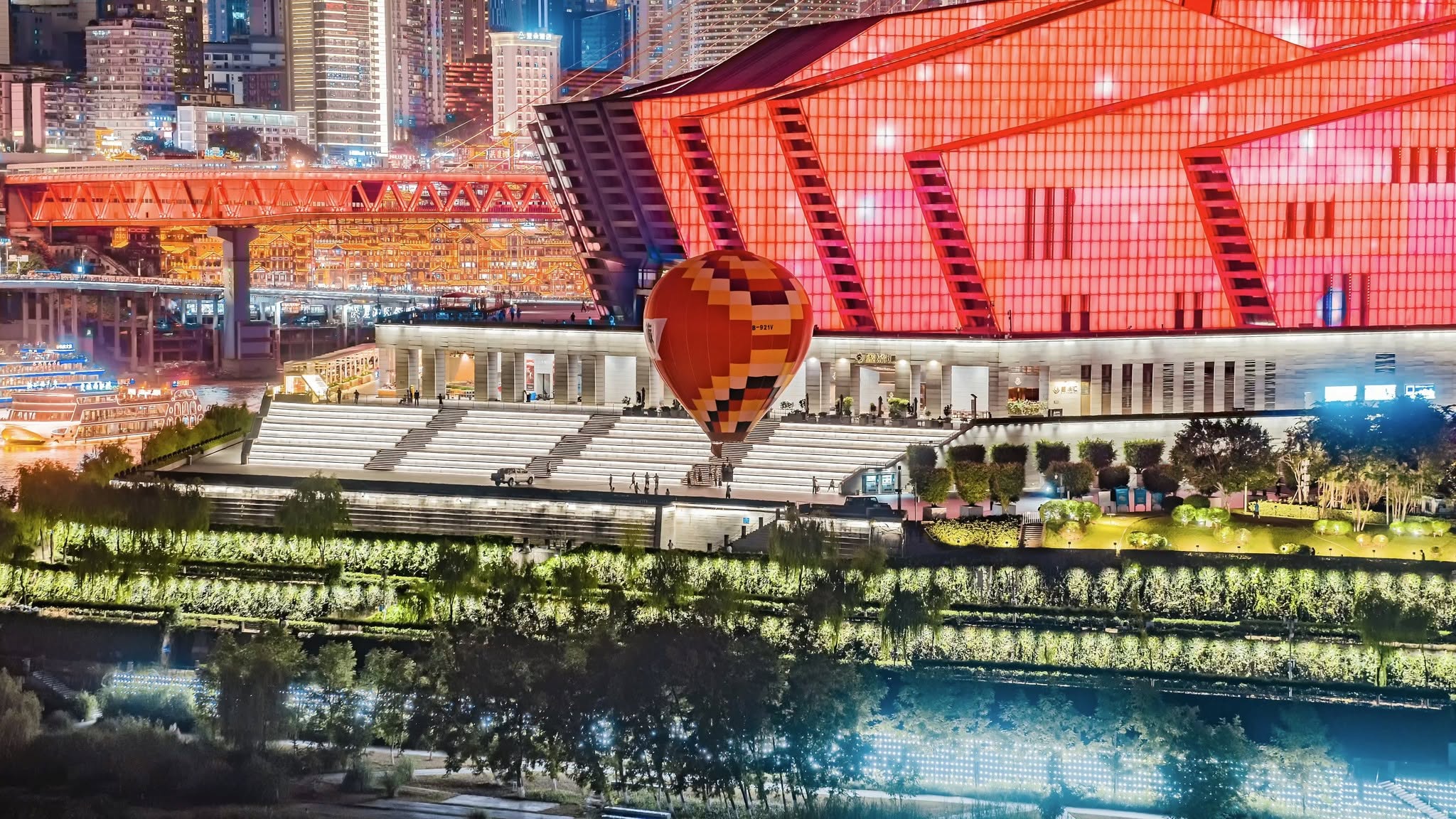
CHONGQING
DESTINATION GUIDE
The Mountain City of Endless Wonders
──────────────────────────────────────────────────
Where Ancient Meets Modern | Gateway to the Yangtze | Spicy Paradise
────────────────────────────────────────────────────────────
Chongqing, a municipality directly governed by the central government of China, sits at the confluence of the Yangtze and Jialing Rivers in southwestern China. With a history spanning over 3,000 years, this extraordinary city has earned a collection of poetic names that speak to its unique character.
THE CITY OF NICKNAMES
[*] Mountain City (Shancheng): Built on hills and cliffs, Chongqing rises dramatically from the riverbanks. Buildings stack upon buildings, connected by escalators, bridges, and winding alleyways.
[*] Fog City (Wu Cheng): Mysterious morning mists shroud the city in an ethereal veil, earning Chongqing the romantic moniker "Fog City" for much of the year.
[*] City of Rivers (Jiang Cheng): Where the mighty Yangtze embraces the Jialing, Chongqing is inherently a river city -- bridges span rushing currents and ferries crisscross the waters below.
[*] Hotpot Capital of China: No city takes its spicy cuisine more seriously. Chongqing hotpot, with its fiery mala (numbing-spicy) broth, is a way of life, not merely a meal.
[*] Ancient Fortress City (Yu): Chongqing served as the wartime capital of China during World War II. Its wartime tunnels, bunkers, and underground cities remain part of the urban fabric today.
As the starting point for legendary Yangtze Three Gorges cruises and a UNESCO World Heritage city, Chongqing offers travelers an intoxicating blend of ancient culture, wartime history, jaw-dropping architecture, and world-class gastronomy. Whether navigating the city's 13-floor department stores or watching the monorail glide through a residential tower, Chongqing never fails to astonish.
QUICK FACTS
Population | 32+ million (municipality) |
Climate | Subtropical humid monsoon; hot summers, mild winters |
Best Time to Visit | March-May (spring flowers) / September-November (autumn) |
Language | Mandarin Chinese; local Chongqing dialect |
Currency | Chinese Yuan (CNY / RMB) |
────────────────────────────────────────────────────────────
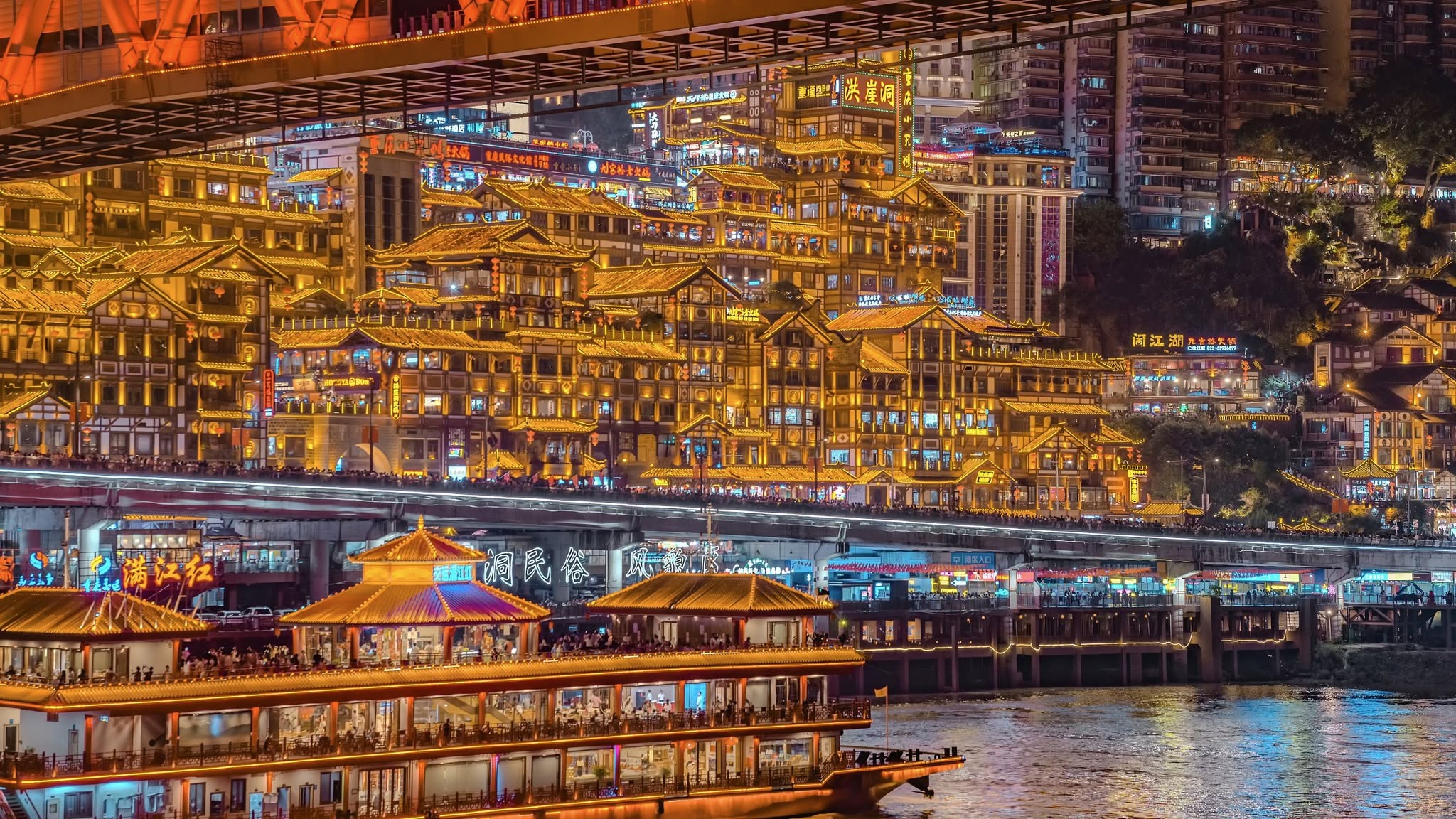
Chongqing's most iconic landmark, Hongya Cave is an 11-story stilted building complex (Diaojialou style) built into a cliff face above the Jialing River. During the day it's a bustling market of craft shops and restaurants. At night, when every floor is illuminated against the dark riverbank, it transforms into what many call a real-life version of Spirited Away.
The best views are from Qiansimen Bridge across the river or from the riverside promenade on the south bank -- both give you the full glowing facade reflected in the water below.
>> Free to enter; open daily
>> Best visited after 7:00 PM for night illumination
>> Metro Line 1 or 6 to Xiaoshizi Station (10-min walk)
────────────────────────────────────────
One of the most photographed pieces of urban infrastructure on the planet. Liziba Station on Metro Line 2 sits inside a 19-story residential building -- the monorail passes directly through floors 5 through 8. The phenomenon is no accident: the building was designed around the tracks, and residents report the train is "as quiet as a dishwasher." Watch from the street-level viewing platform on Changjiang Road below.
>> Metro Line 2 to Liziba Station -- best viewed from the elevated walkway
>> Come at train times for the full passing-through experience
────────────────────────────────────────
A genuine Ming and Qing dynasty riverside town, Ciqikou (literally "Porcelain Port") has survived largely intact on the banks of the Jialing River for centuries. Unlike reconstructed "ancient streets" in many Chinese cities, Ciqikou's core -- wooden buildings, stone-paved lanes, and riverside terraces dating from the 17th to 19th centuries -- is authentically old.
The main street is packed with snack vendors, craft shops, and teahouses. Try the famous Mahua (golden twisted fried dough) or Mao Xue Wang (spicy offal stew). Come early morning (before 10 AM) or late afternoon to avoid the weekend crowds.
>> Free to enter; Metro Line 1 to Ciqikou Station
>> Best visited before 10 AM or after 4 PM
────────────────────────────────────────
Hailed as the "First Aerial Corridor over the Yangtze," the Chongqing Yangtze River Cableway has been operating since 1987. The 1,166-meter crossing takes passengers from the north to south bank in about 4 minutes, offering sweeping aerial views of the river confluence, city skyline, and the Qiansimen Bridge. The red-and-yellow cable cars are a beloved city symbol.
>> Ticket: approximately CNY 15-25 (one way)
>> Hours: 7:30 AM -- 10:00 PM
>> South station at Nanbin Road -- combine with a riverside walk
────────────────────────────────────────
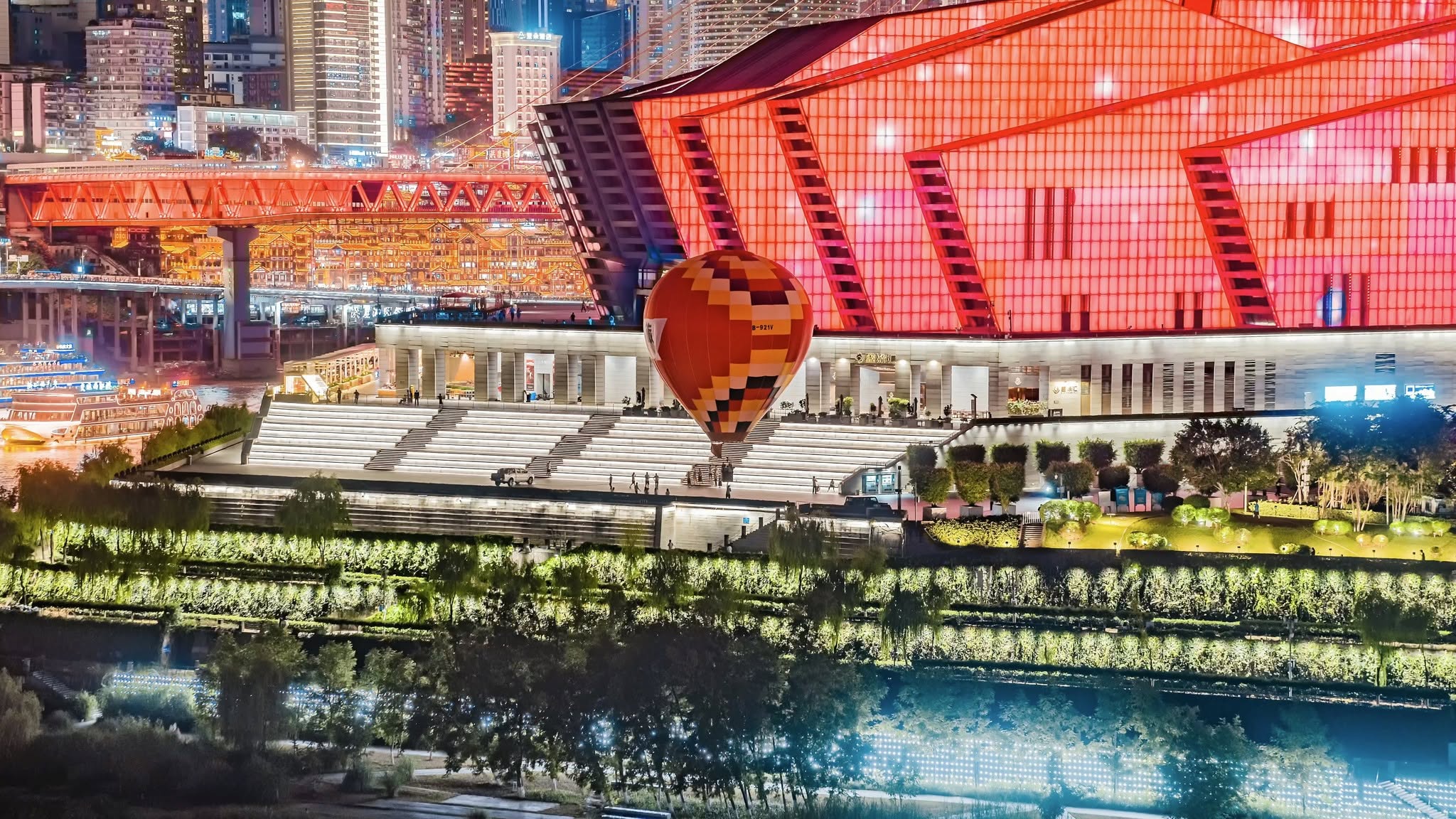
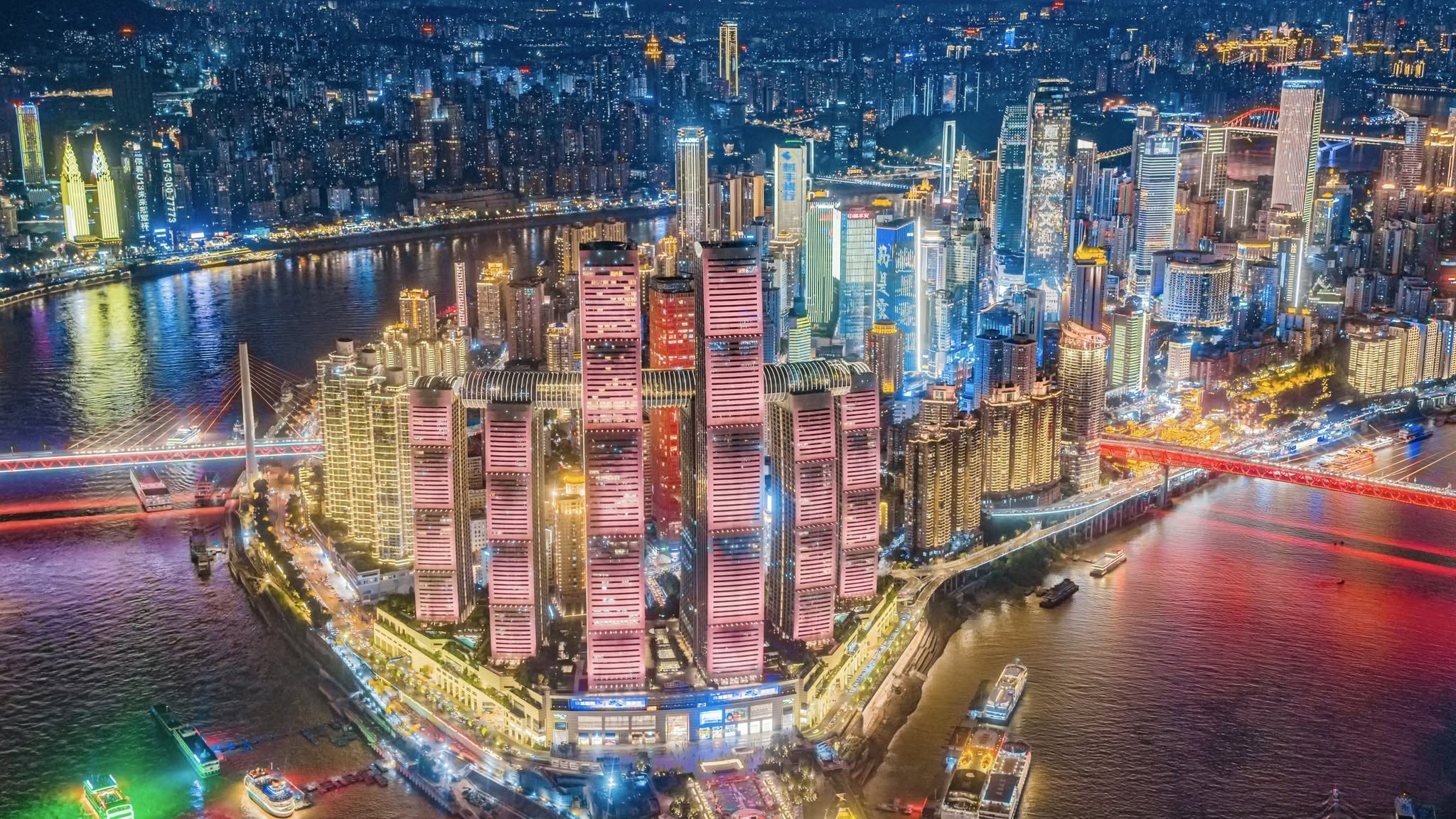
When night falls, Chongqing reveals its true personality. The city's dramatic topography -- steep cliffs, winding rivers, and layered skyscrapers -- creates a cyberpunk-esque nightscape unlike anything in Asia. From the Qiansimen Bridge, the Confluence Point area, or Nanbin Road on the south bank, the two-river panorama is breathtaking.
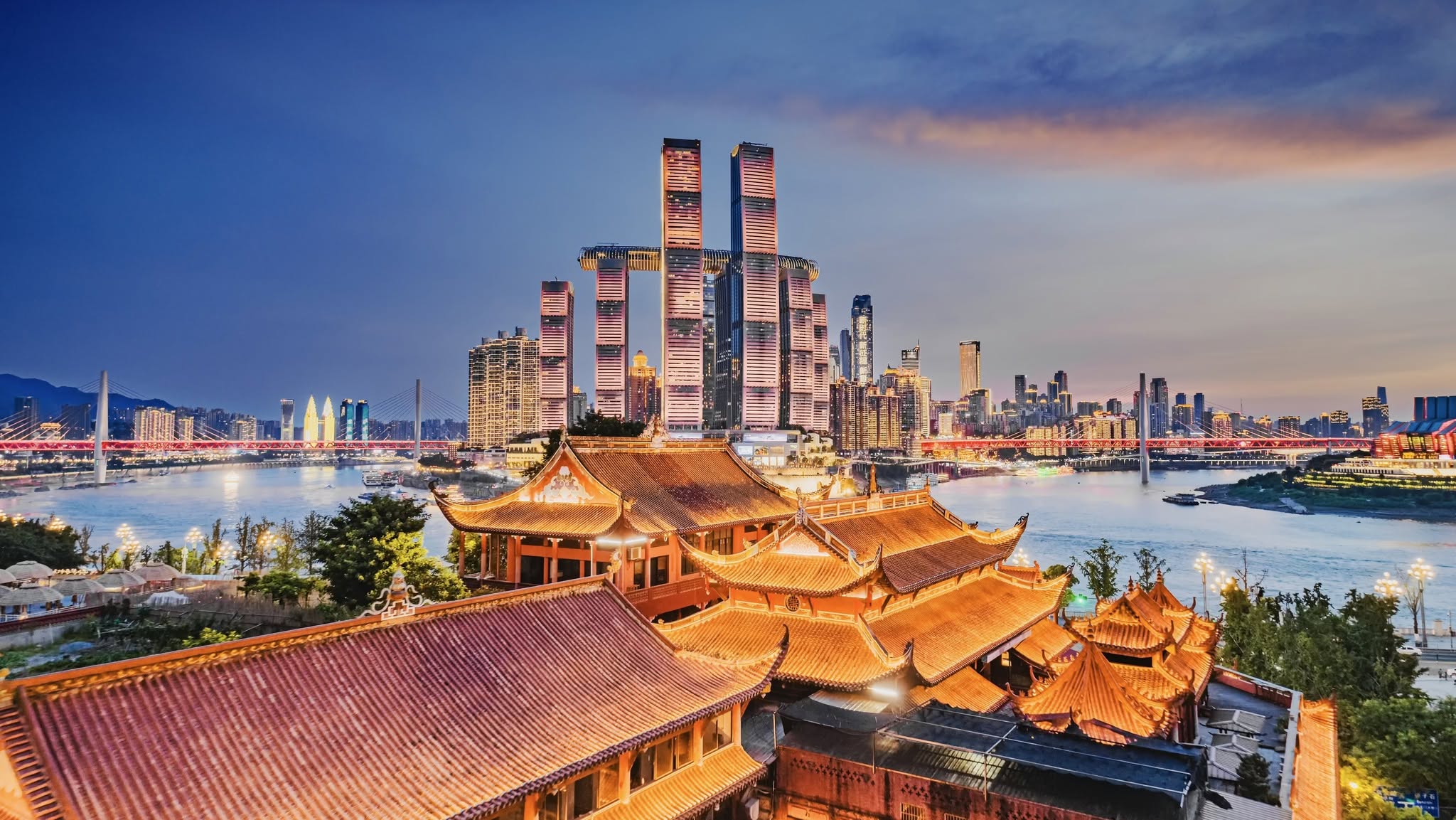
>> Confluence Point (Liangjiang): best panoramic views
>> Nanbin Road: romantic evening stroll with riverside restaurants
>> Yangtze River night cruise available (approx. CNY 120-180)
Carved into the limestone cliffs of Ba County between the 9th and 13th centuries, the Dazu Rock Carvings are a masterpiece of Buddhist art and one of China's greatest archaeological treasures. The carvings blend Buddhist, Taoist, and Confucian imagery with extraordinary skill and artistry. The Thousand-Hand Guanyin statue is particularly stunning -- 1,000 hands fanning out in a magnificent golden display.
>> UNESCO World Heritage Site since 1999
>> Entrance fee: approximately CNY 115 (includes Baoding Mountain and Beishan)
>> About 90 km from Chongqing; 1.5-2 hours by car or high-speed rail
>> Combine with a Three Gorges cruise departure or arrival
────────────────────────────────────────
A UNESCO Global Geopark and filming location for Transformers: Age of Extinction, Wulong Karst is one of the most spectacular natural landscapes in China. The Three Natural Bridges (Qinglong, Tianlong, and Heilong) are a series of massive natural stone arches formed over millions of years of karst erosion. Add deep canyons, thundering waterfalls, and mist-shrouded peaks, and you have a landscape of otherworldly beauty.
>> Day trip from Chongqing: 3-4 hours each way by car
>> Entrance fee: approximately CNY 120-160
>> Wear comfortable hiking shoes; bring a rain jacket
────────────────────────────────────────
The premier museum of the Yangtze River region, the Three Gorges Museum traces 2 million years of history through artifacts, dioramas, multimedia presentations, and immersive exhibits. Highlights include ancient Ba-Yu culture, the legendary Three Gorges before and after damming, wartime Chongqing history, and impressive collections of pottery, bronze, and calligraphy.
The museum's riverside location makes it a natural starting point for exploring Chongqing's waterfront heritage. Free entry; no reservation required.
>> Free admission; Metro Line 2 or 6 to Zengjiayan Station
>> Open Tuesday -- Sunday, 9:00 AM -- 5:00 PM
>> Allow 2-3 hours for a thorough visit
────────────────────────────────────────
Jiefangbei is the commercial and historical heart of Chongqing. The towering Monument to the People's Liberation (人民解放纪念碑) stands at the center of a vast pedestrian shopping zone surrounded by glitzy malls, international brands, and beloved local restaurants. At night, the area transforms into a neon-lit spectacle.
The surrounding backstreets are where locals eat -- narrow alleys packed with hotpot restaurants, xiaomian (small noodles) stalls, and riverside tea houses. This is the real Chongqing, bustling and unapologetically spicy.
>> Metro Line 2 to Jiefangbei Station
>> Great for evening dining and souvenir shopping
────────────────────────────────────────
Perched on a hilltop in the Yuzhong District, E'ling Park is Chongqing's best-kept secret for panoramic city views. The park features winding paths through lush gardens, an old colonial-style house from the 1940s, and a sprawling observation deck where you can see the entire city spread out below -- a tapestry of skyscrapers, winding rivers, and mountains stretching to the horizon.
Sunrise and sunset are particularly spectacular. The park is connected to the popular Longmenhao Old Street area, making it easy to combine a cultural walk with the viewpoint.
>> Free admission; best accessed by taxi or cable car from Longmenhao
>> Combine with a visit to nearby Longmenhao Old Street
────────────────────────────────────────────────────────────
Chongqing offers immersive cultural experiences that reveal the soul of this mountain city, from the fiery traditions of its legendary cuisine to the rhythms of riverside life.
Hotpot Culture -- The Chongqing Ritual
In Chongqing, hotpot is not just food -- it's ceremony, community, and identity rolled into one. The city consumes an estimated 300,000 tons of pepper annually, and every neighborhood has at least one hotpot restaurant, from humble street stalls to cavernous halls seating hundreds. The signature Chongqing style uses a rich, oily beef tallow broth infused with dried chilies and Sichuan peppercorns -- creating the famed "mala" (numbing-spicy) sensation.
Particularly iconic is the "nine-palace grid" (Jiu Gong Ge) pot -- nine compartments of the same broth, traditionally used so neighbors sharing a single pot could keep track of their own dumplings. Dipping sauces are kept simple: sesame oil, minced garlic, and cilantro. The must-try dish is Mao Sun (tripe) -- thick slices waved briefly in the boiling broth for a tender, crunchy bite that defines the Chongqing hotpot experience.
Riverside Life and Teahouse Culture
Chongqing's riverside teahouses are living museums of local culture. Locals gather here for morning tea, cards, mahjong, and people-watching. The combination of river breezes, bamboo chairs, and the gentle clink of porcelain cups creates an atmosphere worlds away from the skyline's modern energy.
Chaotianmen Dock and the historic Chaoyang Dock areas offer a glimpse into the river trade heritage that built Chongqing. The old boatmen's teahouses along the Yangtze banks are slowly disappearing -- visit them while you can.
The Art of Mountain City Walking
Chongqing is famously impossible to navigate without climbing. Streets at ground level may be rooftops several floors above. This vertical geography has created unique urban phenomena: elevators as public transport, an entire underground city beneath People's Liberation Monument, and streets where you can enter a building on the 1st floor and exit on the 8th floor.
Embrace the city's topography with a walk from Liberation Monument through the pedestrian streets to Hongya Cave, crossing the Qiansimen Bridge by foot as the city lights ignite around you. The Nanshan One Tree Viewpoint offers the definitive bird's-eye view -- particularly enchanting at dusk.
────────────────────────────────────────────────────────────
Chongqing's cuisine is bold, fiery, and unapologetically intense. As the birthplace of Sichuan cuisine's most radical expressions, the city's food culture rewards the adventurous and demands a tolerance for spice -- though restaurants are happy to adjust the heat to your taste.
> Chongqing Hotpot
The definitive Chongqing experience. Oily, spicy, numbing broth loaded with offal, beef, tofu skin, and lotus root. Order the "nine palace grid" for the authentic experience. Tip: eat the Mao Sun (tripe) first -- it's the benchmark of a good pot.
> Xiaomian Noodles
The breakfast of champions. Hand-pulled wheat noodles in a thin, spicy broth topped with crushed peanuts, pickled vegetables, and chili oil. Every neighborhood has a beloved stall -- if locals line up, you've found the right one. From CNY 5 per bowl.
> Spicy Chongqing Chicken
Bite-sized crispy fried chicken buried under a mountain of dried red chilies and Sichuan peppercorns. The ratio of chilies to chicken is approximately 3:1. The challenge: find and eat every piece. Fiery, addictive, and unforgettable.
> Mao Xue Wang
Literally "hairy blood curd and offal stew" -- a spectacularly spicy stew of pork intestine, duck blood tofu, beef tripe, and vegetables in a rich chili broth. Ciqikou is the best place to try this local specialty.
> Grilled Fish
Whole fish split open and grilled over charcoal, then simmered in a wok with peppers, onions, and special sauce. Nanbin Road on the south bank has the best riverside grilled fish restaurants.
> Street Desserts
Cool down with Bing Tang Hong Shao (candied sweet potato on a stick), or a bowl of sweet-savory Dan Dan noodles from a street cart. The sweet-savory contrast is perfect after a spicy meal.

Spicy Chongqing Street Food Scene
WHERE TO EAT: Behind Hongya Cave (backstreets, better value), Jiefangbei backstreets (authentic local restaurants), Nanbin Road (riverside grilled fish with city views), Ciqikou (street snacks and mao xuewang).
────────────────────────────────────────────────────────────
[>] Best Time to Visit
Spring (March-May) brings mild temperatures and flowers in bloom. Autumn (September-November) offers comfortable weather and stunning autumn foliage. Summer (June-August) is hot (35C+) but lively. Winter is mild but foggy -- the "Fog City" nickname is most apt from December-February.
[>] Getting Around
Chongqing's Metro is excellent -- 10+ lines covering all major attractions. Trains are often elevated, offering spectacular city views. Taxis are cheap (from CNY 8 base fare). Download a metro app for English-friendly navigation.
[>] Yangtze Cruise -- Starting Your Journey
Most Three Gorges cruises depart from Chaotianmen Dock in central Chongqing. Boarding typically begins at 16:00 on Day 1, with the ship departing at 21:00. Standard routes are downstream (Chongqing to Yichang, 4 days/3 nights) or upstream (Yichang to Chongqing, 5 days/4 nights). Prices range from CNY 1,500-8,000 per person depending on ship class.
[>] UNESCO Day Trips
Dazu Rock Carvings (90 km away) make an ideal day trip and can be combined with your cruise departure or arrival day. Wulong Karst requires a full day. Book a licensed guide or join an organized tour from the city.
[>] Budget Guide
Budget travelers: CNY 150-250/day (hostel, street food, metro). Mid-range: CNY 400-700/day (hotel, restaurant meals, attractions). Comfortable: CNY 800-1,500/day (luxury hotel, upscale dining, cruise). Most major attractions are free; paid ones are very affordable.
[>] Health and Safety
Chongqing is one of China's safest cities. The spicy food is safe for most visitors, but start with mild dishes if you have a sensitive stomach. Bring comfortable walking shoes -- you'll climb the equivalent of 20+ floors daily without realizing it.
[>] Communication
Free WiFi is widely available. For data, get a local SIM card at the airport or train station (about CNY 30-80 for a tourist package with 10-30GB data). English signage is limited -- Baidu Maps works best for public transit.
ORIENTAL SURPRISES TRAVEL
Your Gateway to Extraordinary China
──────────────────────────────────────────────────
 Contact us :



WeChat

WhatsApp
Copyright ©2026-2031 Terms of Service Privacy Policy Return Terms Travel agency qualification number