
Oriental Cuisine Current location:HomeOriental Cuisine
 Time: 2023/5/28
 Hit: 426648
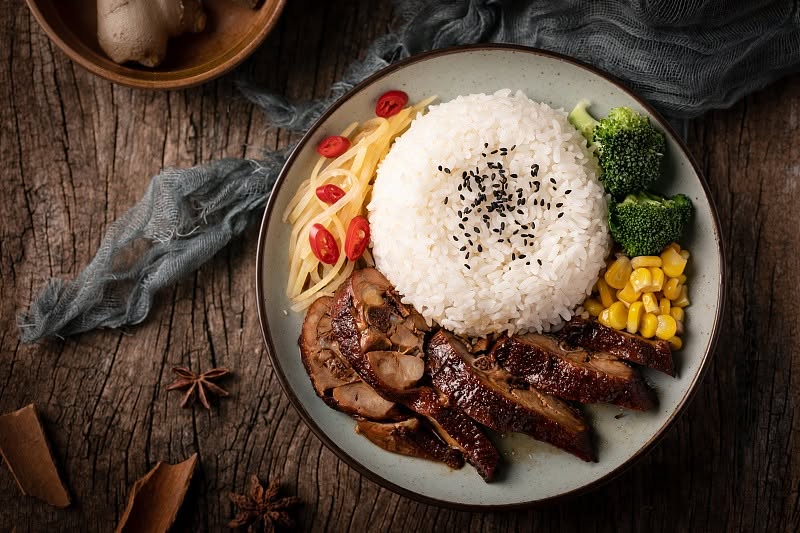
ZHEJIANG CUISINE
A Culinary Journey Through the Land of Fish and Tea
────────────────────────────────────────

A Special Feature by Oriental Surprises Travel
────────────────────────────────────────
Zhejiang cuisine, known as Zhe Cai , stands as one of China's Eight Great Culinary Traditions. Its roots trace back to the Neolithic Hemudu Culture over 5,000 years ago, evolving through millennia of refinement.
The Southern Song Dynasty (1127-1279) marked the golden age of Zhejiang cuisine. When Hangzhou became the imperial capital, it attracted culinary talents from across China, creating a sophisticated court cooking tradition. The legendary explorer Marco Polo reportedly described Hangzhou as "the finest city in the world," a testament to its prosperity and cultural refinement.
Geographically, Zhejiang Province offers remarkable diversity: the Hangzhou Plain in the north, the Shaoxing-Ningbo coastal corridor in the northeast, the rugged mountains of the south, and the famous tea hills surrounding Hangzhou. This abundance of land and water resources directly shapes the cuisine's exceptional range and quality.
5000+ years ago: Hemudu Culture - Rice cultivation and freshwater fishing origins
11th-5th century BCE: State of Yue - Introduction of sophisticated cooking techniques
1127-1279 CE: Southern Song Dynasty - Hangzhou as capital, imperial cuisine flourishing
1368-1644 CE: Ming Dynasty - Trade expansion, Ningbo port as culinary hub
1644-1912 CE: Qing Dynasty - Golden age of Shaoxing wine and Hangzhou tea culture
20th century onwards: Global recognition - Zhejiang dishes becoming Chinese culinary icons
────────────────────────────────────────
Fresh & Light
Zhejiang cuisine emphasizes "qing dan" - clean, fresh, and light flavors that showcase the natural essence of ingredients without heavy seasoning or excessive spicing.
Original Flavors
Following the philosophy of "tian wei" (natural taste), the cuisine aims to preserve and enhance the inherent flavors of premium ingredients.
Delicate Textures
Precise cooking timing ensures tender, silky textures. The cuisine masterfully balances softness with subtle crispness.
Seasonal Ingredients
Strict adherence to seasonal produce - spring bamboo shoots, summer water shield, autumn crabs, winter pork belly.
Beautiful Presentation
Elegant plating reflecting artistic sensibility. Dishes are composed like paintings, appealing to both eye and palate.
Lake & River Bounty
Abundant freshwater seafood from West Lake and Qiantang River - carp, shrimp, and crab define the table.
Tea-Infused Cooking
Unique to Zhejiang - Longjing tea as a culinary ingredient, appearing in stir-fries, marinades, and as a smoking medium.
────────────────────────────────────────
Hangzhou Style
The most famous and widely available style. Hangzhou cooking represents the Southern Song imperial tradition translated into living restaurant culture. Characterized by freshwater fish preparations, tea-infused dishes, and refined (lake-style) cooking. Signature dishes include West Lake Fish in Vinegar Sauce and Dongpo Pork.
Ningbo Style
Coastal and seafood-heavy, facing the East China Sea. Ningbo's cuisine features yellow croaker, dried seafood, and the famous Ningbo salted yellow croaker - one of the most intensely flavored preserved fish preparations in Chinese cooking. Sweet and salty flavor combinations define this maritime tradition.
Shaoxing Style
Shaped by Shaoxing's legendary rice wine heritage. "Drunken" preparations (醉) - shrimp, crab, chicken marinated in Shaoxing wine - are the signature. Known for meigan cai (preserved mustard greens) and the controversial but beloved drunken crab consumed raw after wine marination.
Wenzhou Style
The southernmost and most distinctive sub-tradition, shaped by fishing heritage and Southeast Asian trade connections. Wenzhou fish balls, steamed blood cockles, and complex sour-and-spicy mountain preparations are hallmarks. Strong rice-wine-marinated food culture.
────────────────────────────────────────
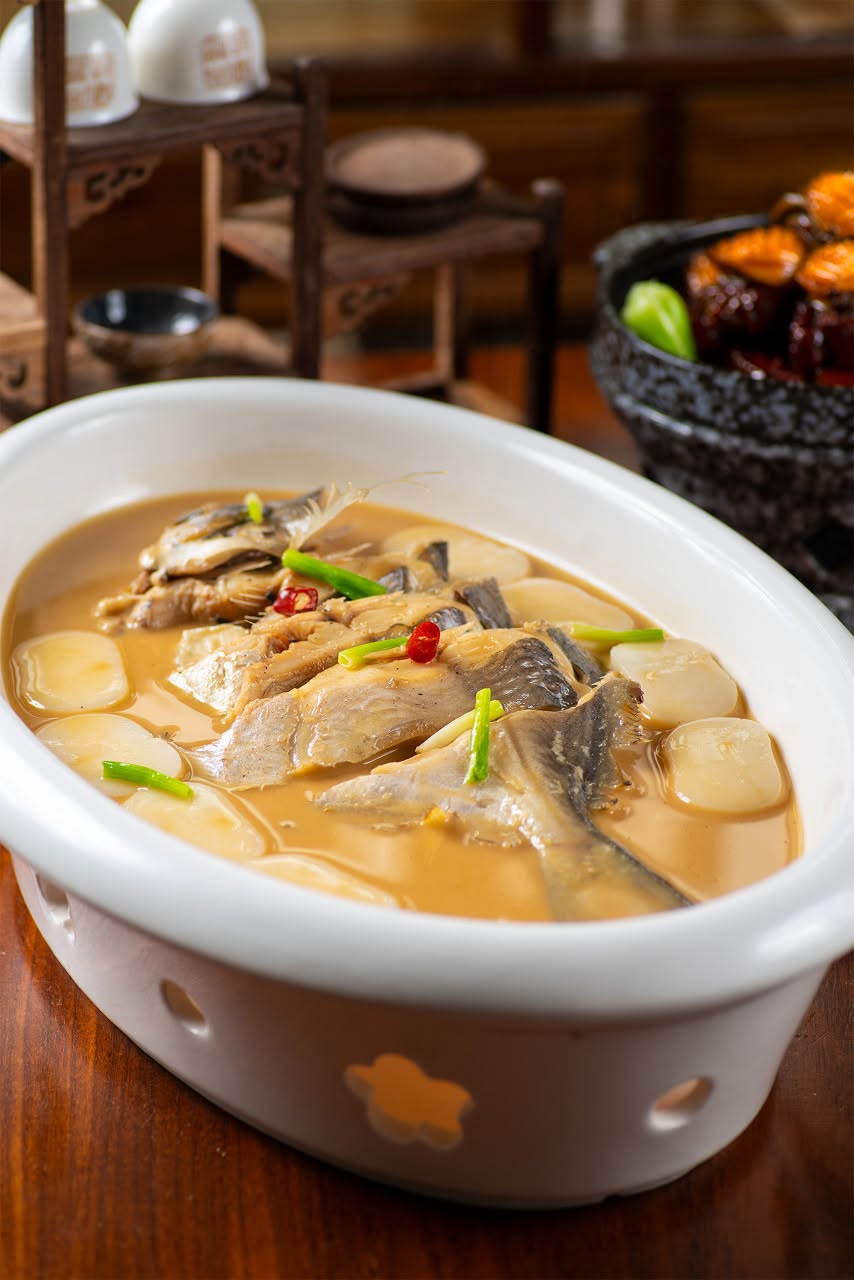
West Lake Vinegar Fish
Origin: Hangzhou | Tags: Sweet & Sour, Delicate, Poached
Fresh grass carp from West Lake is poached to perfection and bathed in a light sweet-sour vinegar-soy sauce without any oil. This restrained dish embodies the Hangzhou philosophy: the fish is the point, not the sauce. Legend says a beggar invented this dish for a visiting emperor.
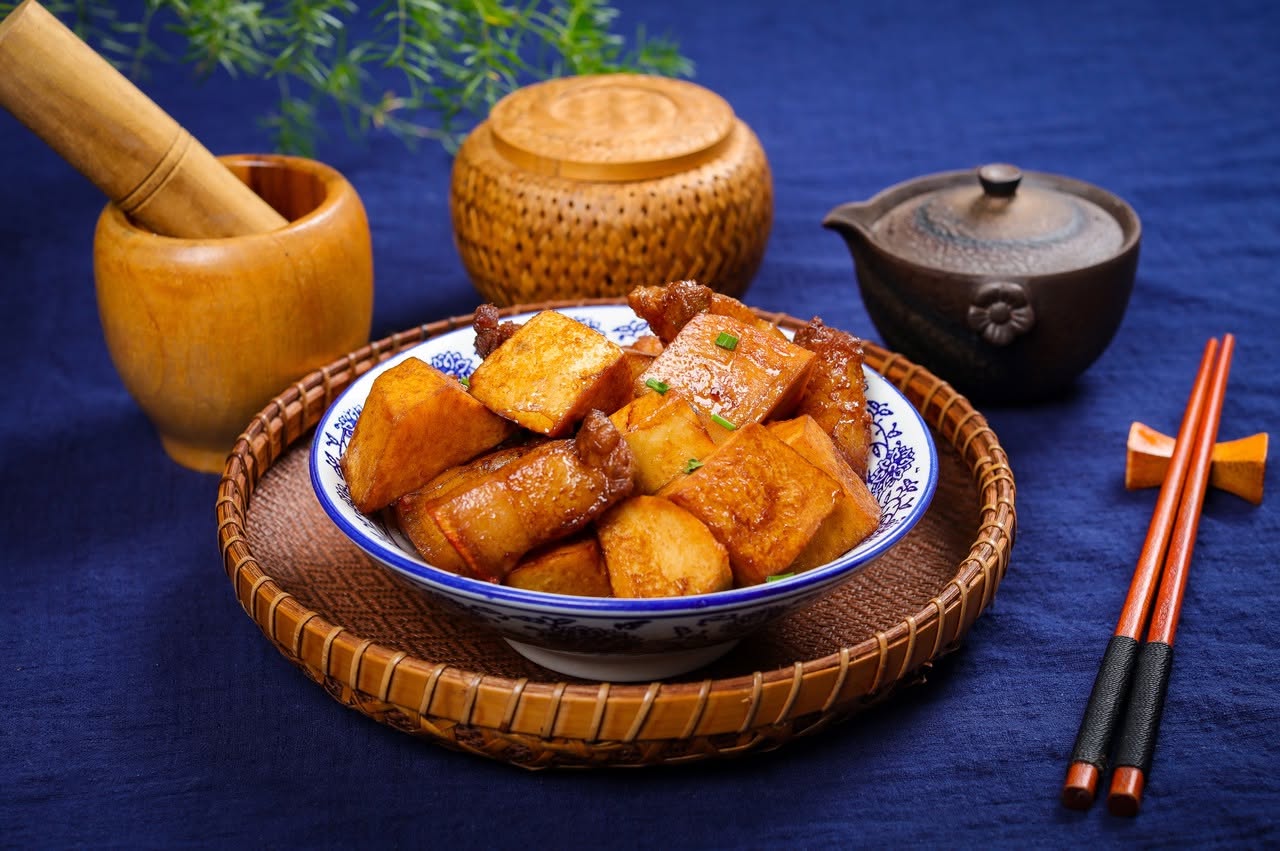
Dongpo Pork
Origin: Hangzhou | Tags: Rich, Braised, Aromatic
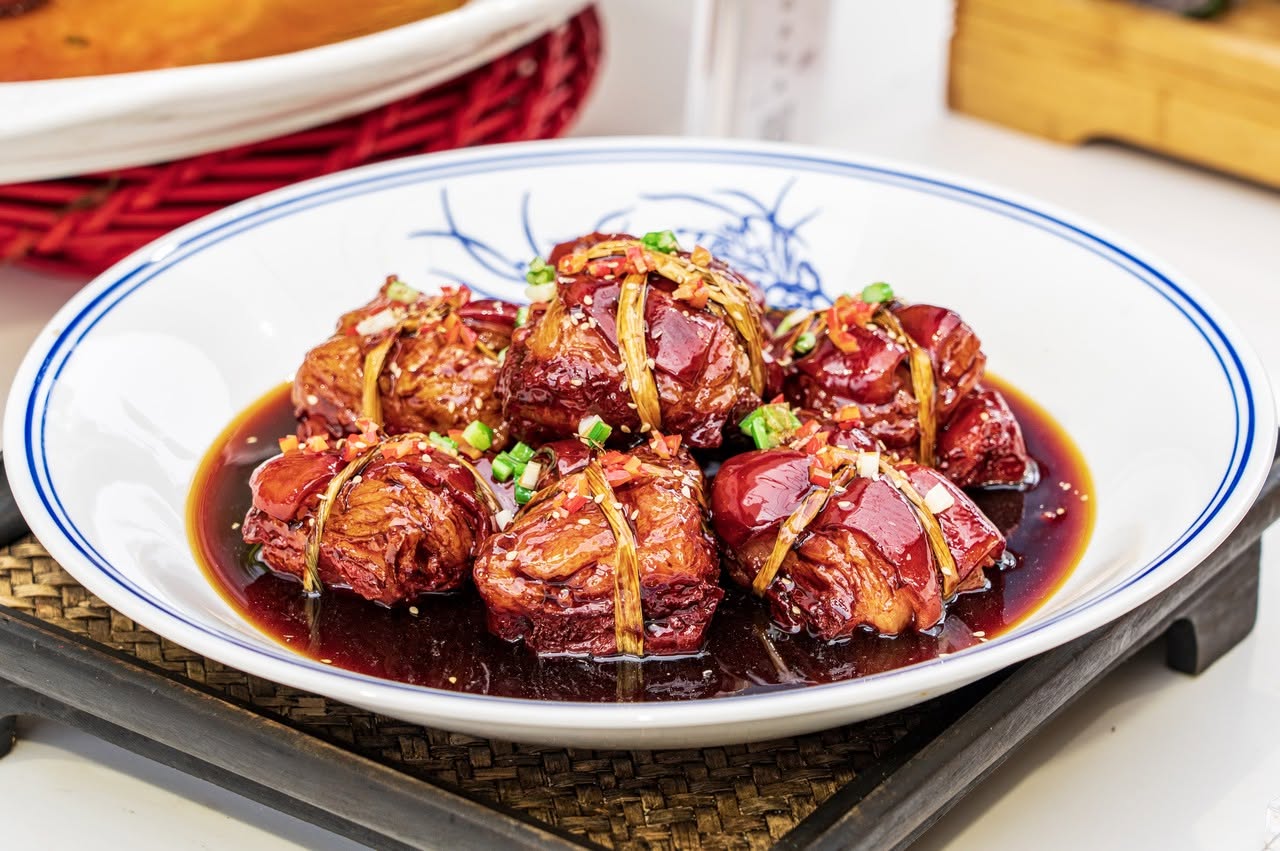
Named for Northern Song poet Su Dongpo, who served as Hangzhou's governor. Pork belly is cut into cubes, tied with string, then braised for hours in equal quantities of Shaoxing wine and soy sauce with sugar, ginger, and scallion. The fat becomes transparent and trembling. Served in individual ceramic pots.
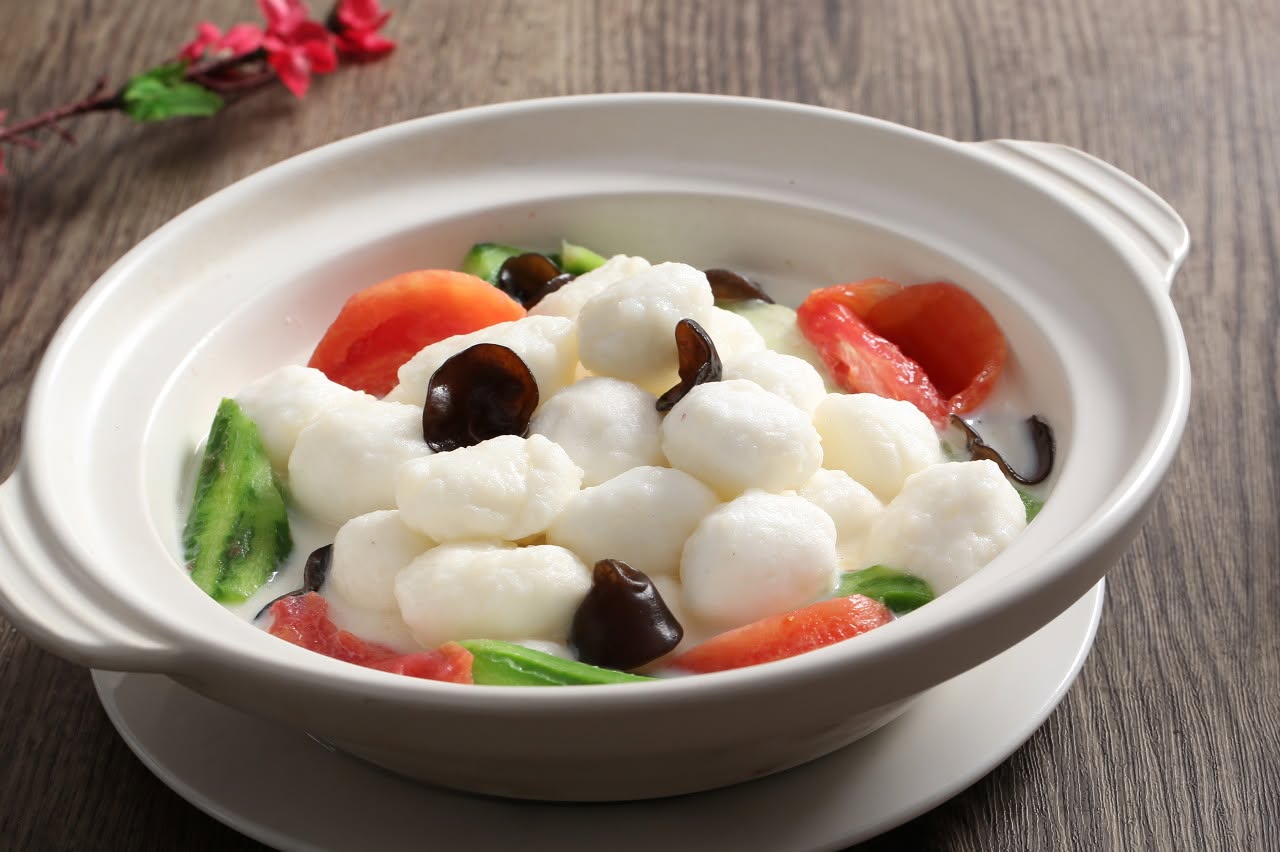
Fresh river shrimp from the Qiantang River estuary are velveted and quickly stir-fried with tender Longjing tea leaves. The tea's grassy, slightly sweet character pairs perfectly with delicate fresh shrimp. This spring dish captures Hangzhou's most famous tea in culinary form.
A whole chicken stuffed with pork and mushrooms, wrapped tightly in lotus leaves and encased in clay, then slow-baked for hours. The legend: a beggar stole a chicken but had no pot, so he buried it in mud by a fire. The result: tender, fragrant meat with lotus aroma. Modern versions use ceramic pots for convenience.
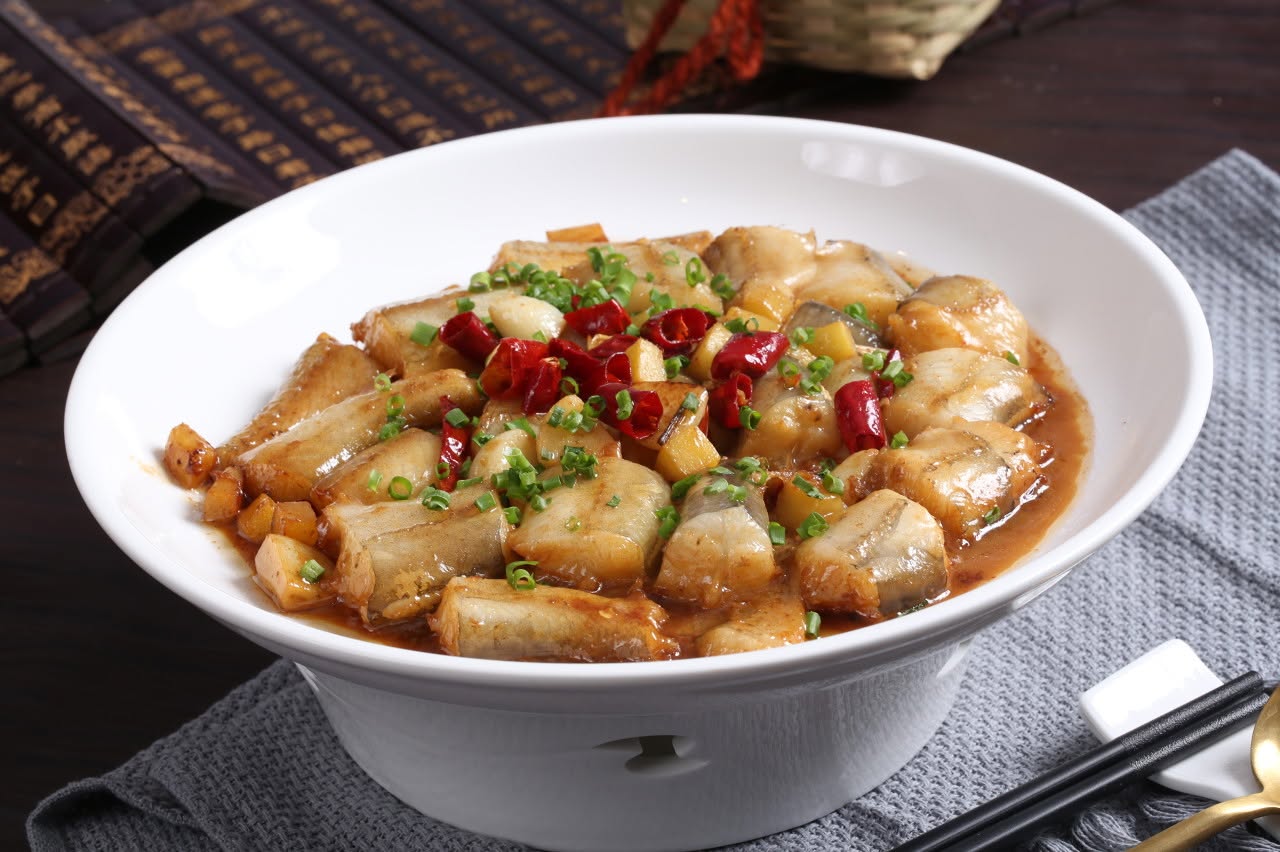
With 800 years of history, this Southern Song imperial dish features steamed mandarin fish or sea bass, flaked and simmered with ham, bamboo shoots, and chicken stock into a thick, crab-like soup. Legend says Emperor Gaozong was moved to tears by this taste of home. A masterpiece of delicate knife work and precise timing.
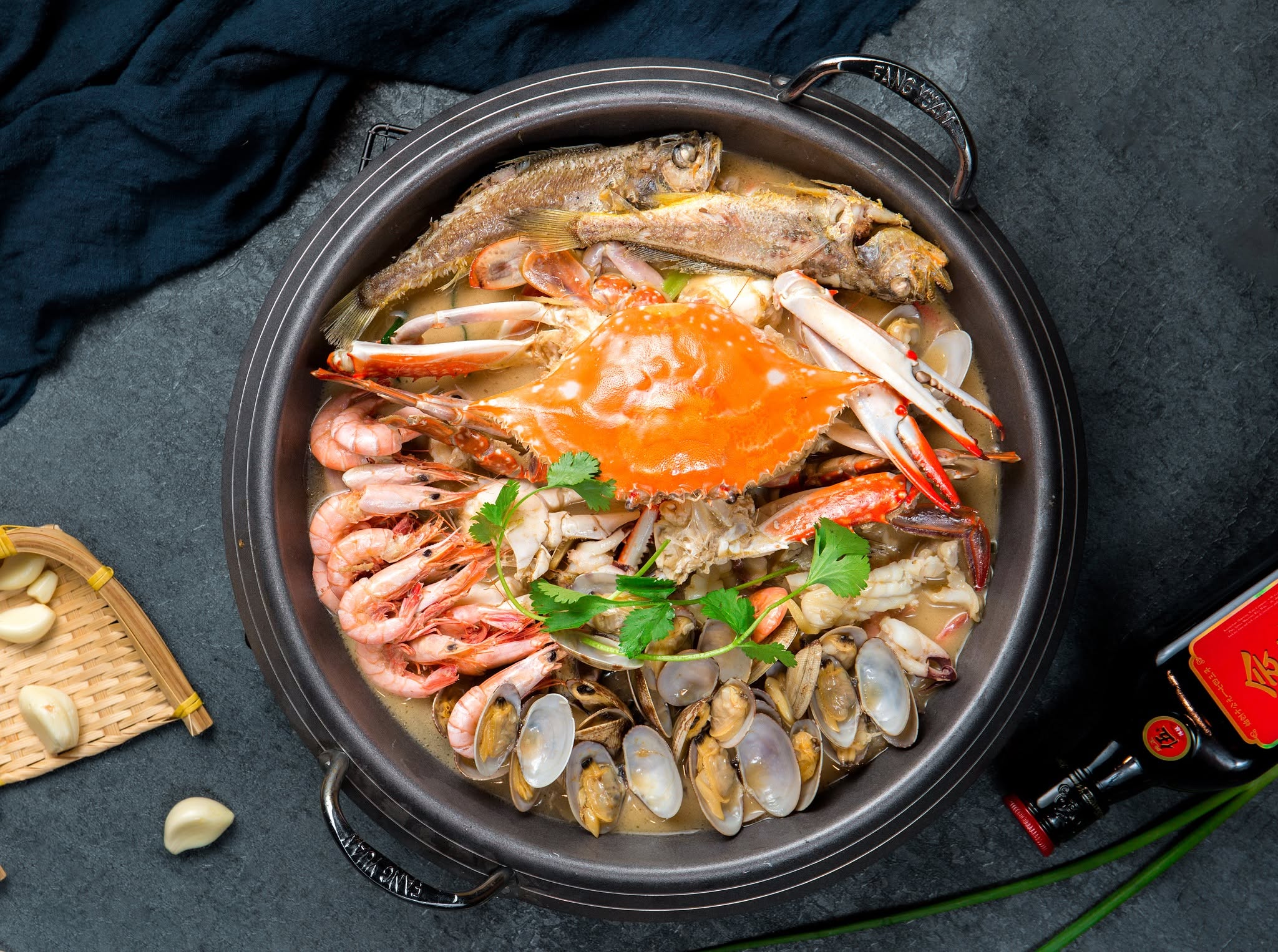
Premium hairy crab from Yangcheng Lake or Zhejiang coastal waters, simply steamed to let the natural sweetness shine. Served with Zhenjiang vinegar for dipping. Autumn is peak season when the crabs develop their rich, orange roe. Pairs beautifully with Shaoxing wine.
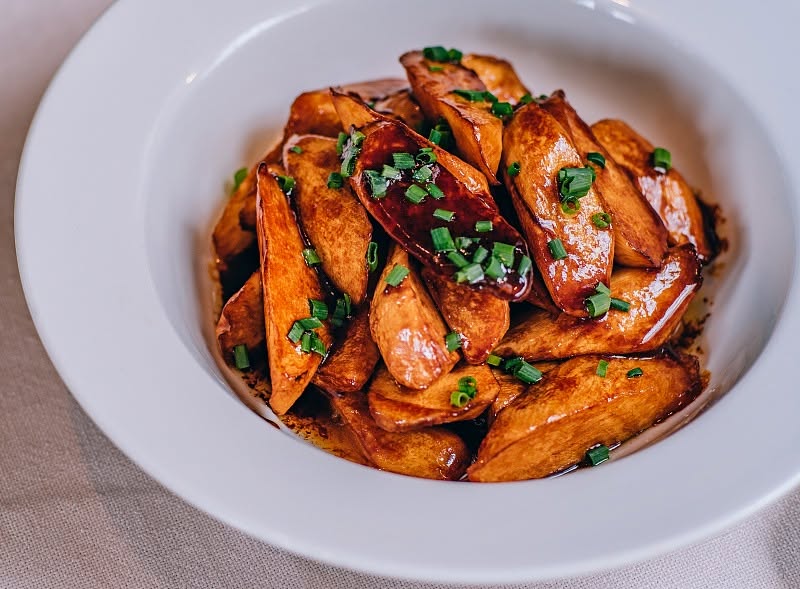
Fresh spring bamboo shoots from Zhejiang's mountain counties are a seasonal delicacy available for just a few weeks each spring. Quickly braised with Shaoxing wine, soy, and a touch of sugar to create a dish that embodies the freshness and vitality of spring. The pre-Qingming harvest produces the finest, most tender shoots.
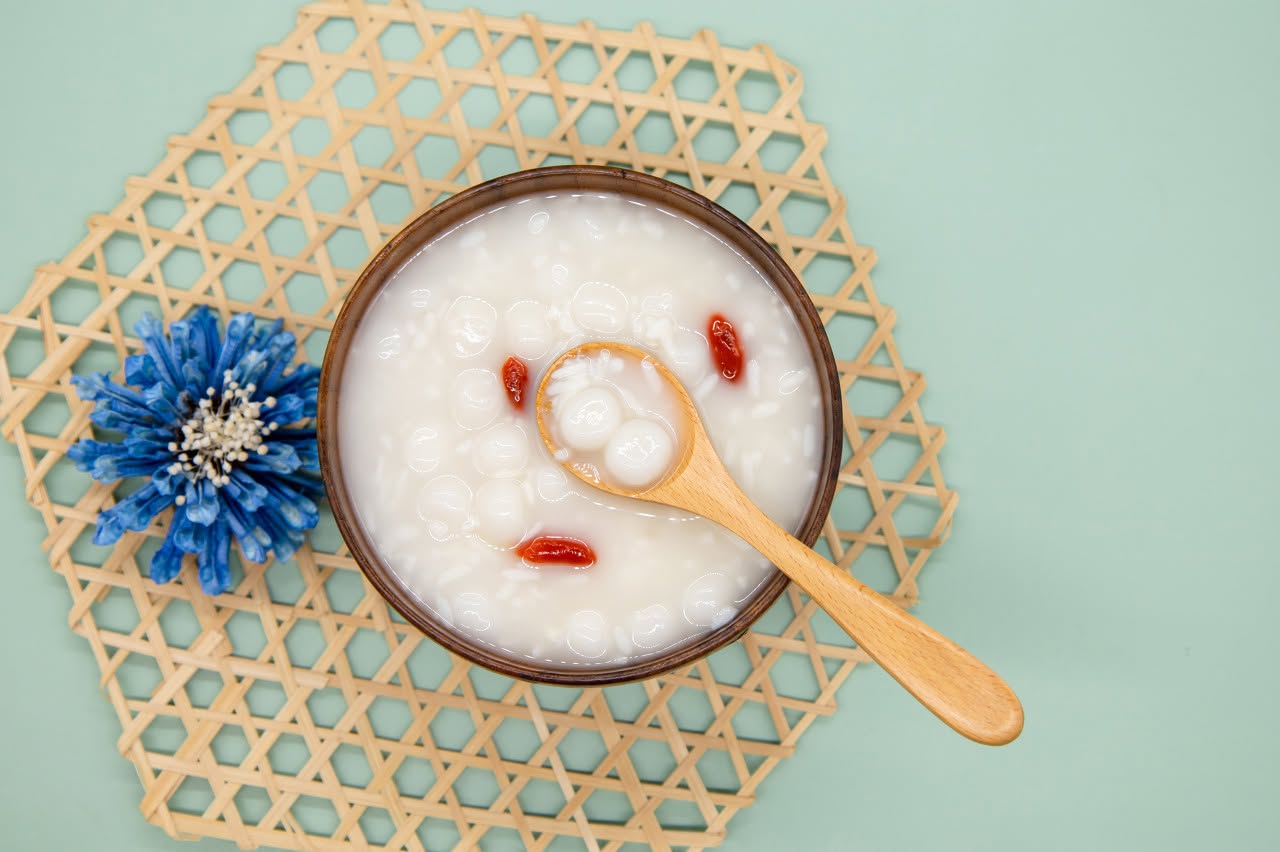
Ningbo Tangyuan
Origin: Ningbo | Tags: Sweet, Traditional, Glutinous
Sweet rice balls with black sesame filling, traditionally served in osmanthus-scented syrup during Lantern Festival. Ningbo's version is renowned for its perfectly smooth, glutinous texture and rich sesame paste. A beloved dessert that represents Zhejiang's southern Chinese confectionery tradition.
────────────────────────────────────────
Steaming
The purest cooking method, preserving natural flavors and nutrients. Essential for fish, dim sum, and delicate preparations like Beggar's Chicken.
Stir-Frying
Quick, high-heat cooking that preserves the fresh, tender qualities of ingredients. Mastered with precise timing and wok skills.
Braising
Slow, gentle cooking in flavorful liquids. Essential for Dongpo Pork and other rich, tender dishes requiring hours of patient simmering.
Poaching
Cooking in gently simmering liquid - key for West Lake Vinegar Fish. Requires precise temperature control to achieve silky results.
Wine Marinating
Traditional Shaoxing wine marination for "drunken" dishes. Creates complex, aromatic flavors through fermentation-style preparation.
Tea Smoking
Using Longjing tea leaves as a smoking medium, imparting delicate tea aromatics to dishes like tea-smoked fish.
────────────────────────────────────────

Braised Pork dishes showcase Zhejiang's mastery of slow-cooked, melt-in-your-mouth textures.
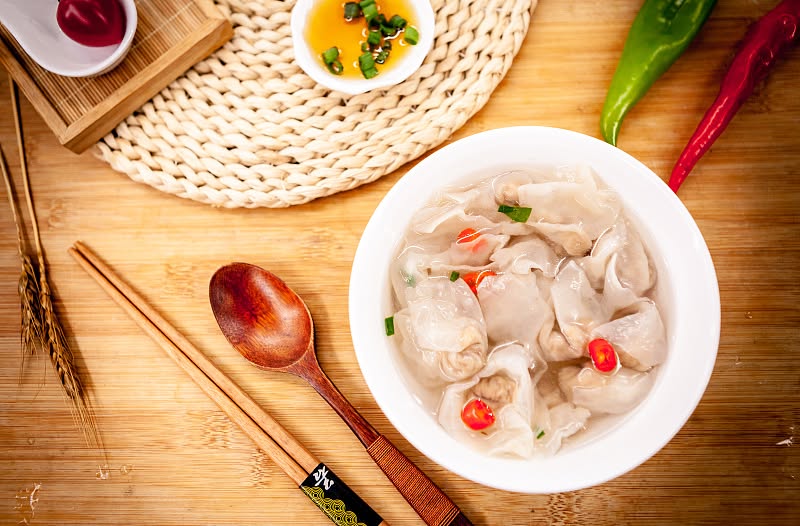
Elegant plating reflects the artistic sensibility that has defined Zhejiang cuisine since the Southern Song imperial courts.
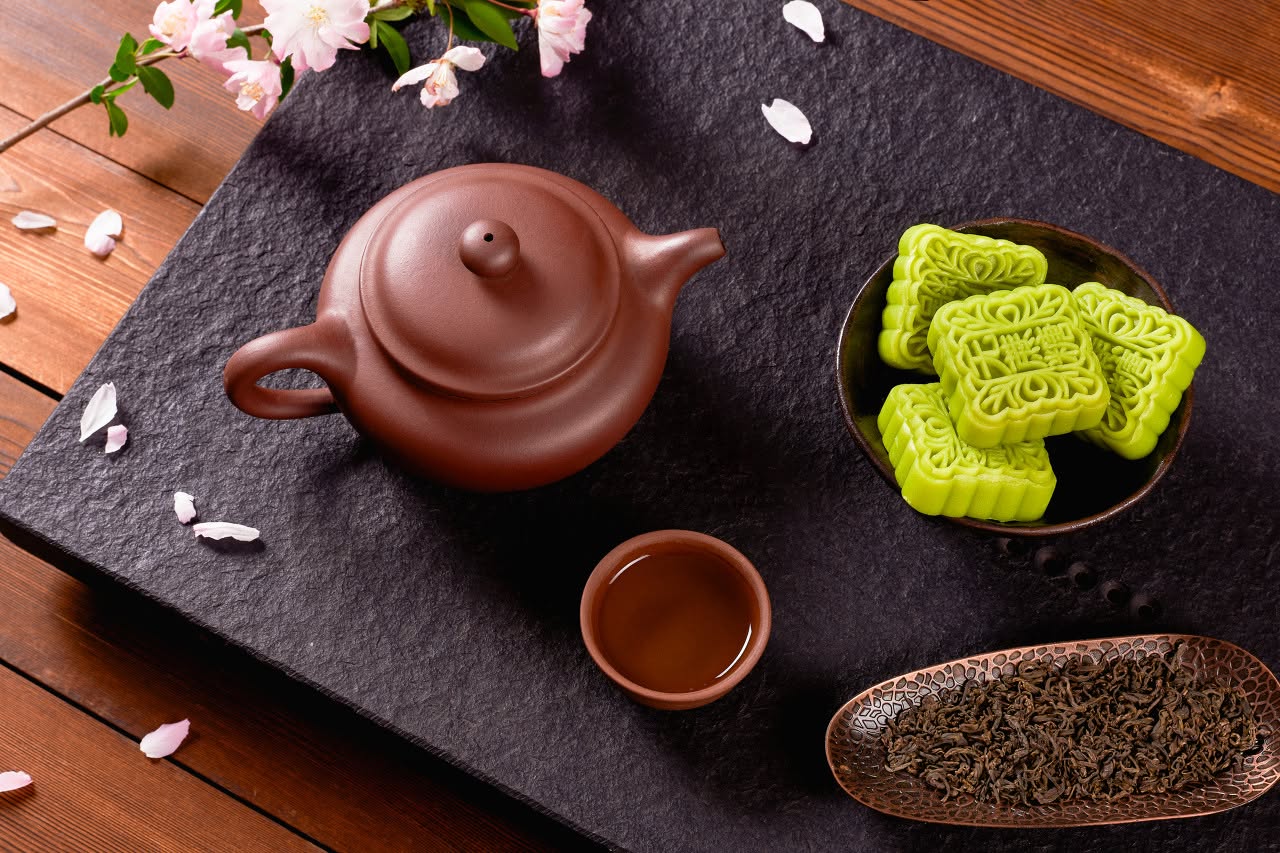
Longjing Shrimp - the interplay of fresh river shrimp and premium Hangzhou green tea creates an unforgettable spring experience.
Experience Zhejiang Cuisine
────────────────────────────────────────
with Oriental Surprises Travel
 Contact us :



WeChat

WhatsApp
Copyright ©2026-2031 Terms of Service Privacy Policy Return Terms Travel agency qualification number