
Oriental Cuisine Current location:HomeOriental Cuisine
 Time: 2025/6/21
 Hit: 37126
Chinese Street Food
& Local Snacks Guide
────────────────────────────────────────
A Culinary Journey Through China's Vibrant
Street Food Culture
By Oriental Surprises Travel
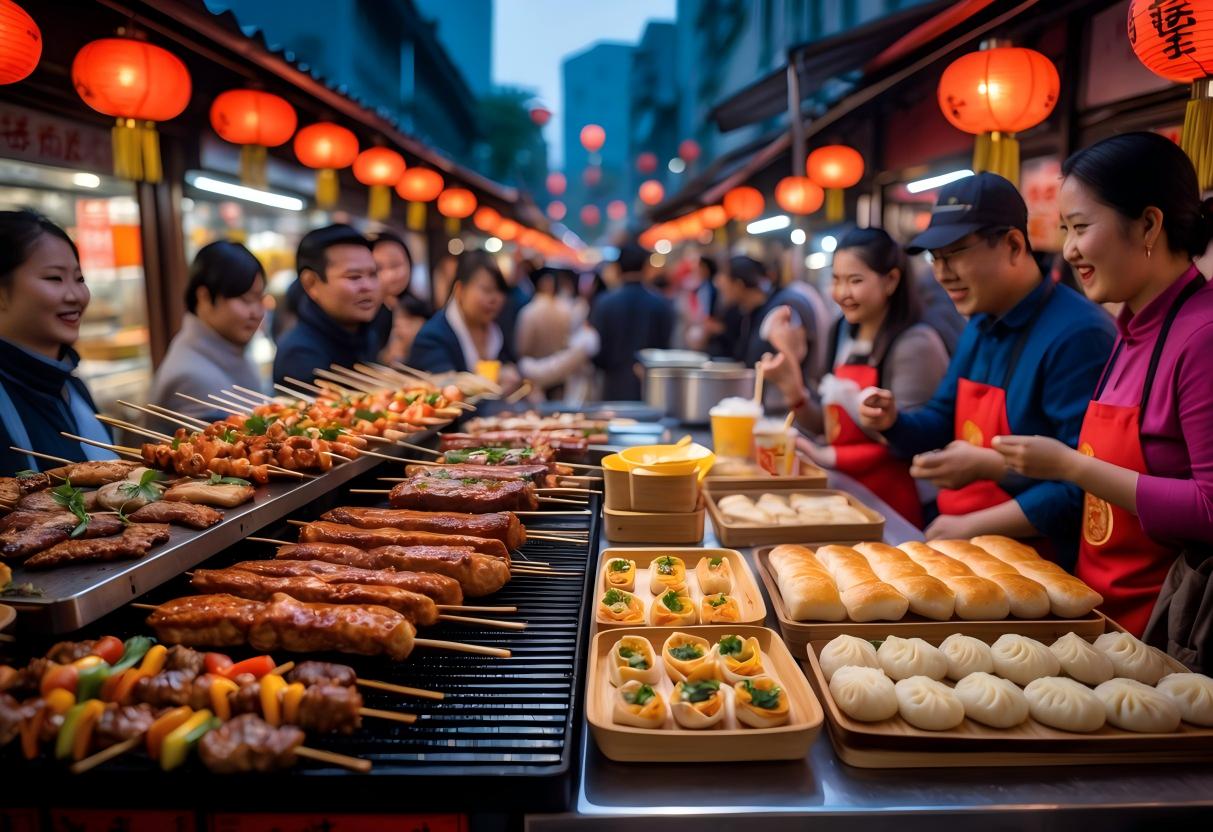
China's street food scene is a vibrant tapestry of flavors, textures, and traditions that span thousands of years. From the steam-filled alleyways of Beijing's hutongs to the sizzling grills of Chengdu's night markets, every region offers unique culinary treasures waiting to be discovered.
Street food in China is more than just sustenance—it is a cultural experience, a social ritual, and an art form passed down through generations. Local vendors specialize in perfecting one or two dishes, turning simple ingredients into extraordinary delicacies through time-honored techniques.
This guide takes you on a gastronomic journey across seven regions of China, introducing you to 35+ iconic street foods and local snacks. Each dish tells a story of regional identity, climate, and culinary innovation, inviting you to taste China's rich cultural heritage one bite at a time.
────────────────────────────────────────
What Makes Chinese Street Food Special:
Regional Diversity: Every province has its own specialties and flavors
Fresh & Seasonal: Vendors use locally-sourced, seasonal ingredients
Master Craftsmanship: Generational skills passed through families
Communal Dining: Street food brings people together
Affordable Luxury: Gourmet flavors at accessible prices
Live Cooking: Watch your food being prepared before your eyes
Including Beijing, Tianjin, Shandong, and the Northeast, Northern China's cuisine is hearty, wheat-based, and suited to the cold climate. Flavors emphasize savory, salty, and earthy notes.
Origin: Tianjin / Northern China
The ultimate Chinese breakfast. A thin, crispy batter crepe made from mung bean and wheat flour, topped with egg, scallions, sesame seeds, and a crispy fried dough strip. Brushed with sweet bean sauce, chili paste, and hoisin before being folded into a handheld delight. Crispy outside, soft inside, with layers of savory flavor.
Flavor Profile: Savory | Crispy | Satisfying | Breakfast
Origin: Beijing
Hand-pulled wheat noodles tossed in a rich, dark soybean paste sauce with minced pork. Topped with fresh cucumber, bean sprouts, shredded radish, and scallions. The sauce provides a deep umami kick, while fresh vegetables add crunch and contrast. A Beijing breakfast staple that embodies the city's hearty character.
Flavor Profile: Savory | Umami | Hearty | Comforting
Origin: Beijing / Northern China
A winter specialty beloved across China. Fresh hawthorn berries are skewered on bamboo sticks and dipped in boiling sugar syrup that crystallizes into a hard, glossy shell. The result is a perfect balance of tart fruit and sweet, crunchy coating. Traditionally made with hawthorn, modern variations include strawberries, kiwi, and other fruits.
Flavor Profile: Sweet | Tart | Crunchy | Sweet & Sour
Origin: Tianjin
Tianjin's most famous export: fluffy white steamed buns filled with juicy pork and vegetables. The name translates to 'dogs ignore them' because they are so delicious even dogs won't turn away. Each bun is hand-folded with 18 pleats and steamed to perfection in bamboo baskets. Soft, cloud-like dough encases savory, juicy filling.
Flavor Profile: Soft | Juicy | Fluffy | Savory
Origin: Northern China
Also known as potstickers, these dumplings are filled with minced pork, Chinese cabbage, scallions, and ginger. Pan-fried until the bottom develops a golden, crispy crust, then steamed to keep the top soft and tender. The contrast between crispy bottom and soft wrapper, combined with juicy filling, makes them irresistible.
Flavor Profile: Crispy | Juicy | Savory | Textured
Origin: Hebei / Northern China
A regional delicacy featuring slowly braised donkey meat with aromatic spices and herbs until meltingly tender. The rich filling is stuffed into flaky, golden pastry rolls. The donkey meat has a distinctive flavor—leaner and sweeter than beef, with a unique depth. The pastry provides buttery contrast to the succulent meat.
Flavor Profile: Savory | Unique | Flaky | Hearty
Home to Xi'an, Gansu, and Xinjiang, the Northwest's cuisine reflects its location on the Silk Road. Bold cumin flavors, lamb-centric dishes, and Islamic influences define this region's street food.
Origin: Xi'an / Shaanxi Province
Often called China's answer to the hamburger. Slow-cooked, shredded pork braised in a fragrant broth with dozens of spices is stuffed into a crispy sesame flatbread called mo. The bread soaks up the meat juices, creating a perfect harmony of textures and flavors. Xi'an's Muslim Quarter is famous for the best roujiamo.
Flavor Profile: Savory | Saucy | Crispy | Fragrant
Origin: Lanzhou / Gansu Province
A masterpiece of dough craftsmanship. Noodles are hand-pulled through an elaborate stretching process, creating perfectly chewy strands of varying thicknesses. Served in a clear, aromatic beef broth with thinly sliced beef, fresh cilantro, radish slices, and chili oil. The five colors—clear broth, white radish, green cilantro, red chili, yellow noodles—visualize balance.
Flavor Profile: Chewy | Aromatic | Fresh | Satisfying
Origin: Xi'an / Shaanxi Province
A Xi'an signature. Diners hand-tear flatbread into small pieces, which are then soaked in a rich, aromatic lamb broth with tender chunks of lamb, glass noodles, and fresh cilantro. The ritual of tearing the bread yourself is part of the experience. The bread absorbs the flavorful broth, becoming soft yet retaining some texture.
Flavor Profile: Aromatic | Hearty | Rich | Comforting
Origin: Xi'an / Northwest China
The smell of cumin announces these skewers before you see them. Tender chunks of lamb are marinated and grilled over charcoal, generously seasoned with cumin, chili powder, and other spices. Served with a side of flatbread for soaking up the juices. The lamb is juicy and smoky, with the warming spices creating an addictive flavor profile.
Flavor Profile: Savory | Smoky | Spicy | Cumin-rich
Origin: Xi'an / Northwest China
Refreshingly perfect for warm weather. Wheat-starch noodles are served cold and tossed in a dressing of chili oil, vinegar, soy sauce, sesame paste, and garlic. Garnished with cucumber, bean sprouts, and crushed peanuts. The combination of cold, slippery noodles with the rich, spicy-sour dressing creates a complex and refreshing flavor experience.
Flavor Profile: Cold | Spicy | Tangy | Refreshing
Origin: Xinjiang
A hearty dish for sharing. Chicken pieces are braised with potatoes, bell peppers, onions, and a medley of spices including Sichuan peppercorns, star anise, and cumin. Served with wide belt noodles. The tender chicken absorbs the aromatic spices, while the potatoes become soft and creamy. The dish reflects Xinjiang's nomadic heritage and Central Asian influences.
Flavor Profile: Hearty | Spicy | Aromatic | Comforting
Shanghai, Jiangsu, and Zhejiang cuisine is known for delicate flavors, sweet notes, and refined techniques. Street food here is lighter but deeply satisfying, showcasing fresh ingredients.
Origin: Shanghai / Jiangsu Province
A culinary marvel. These delicate dumplings contain a surprise: hot, savory soup inside. The dumpling skin is incredibly thin and translucent, filled with pork and a gelatinized broth that liquefies when steamed. Eat carefully—bite a small window, sip the soup, then enjoy the rest. Served with black vinegar and ginger for dipping.
Flavor Profile: Savory | Juicy | Delicate | Soup-filled
Origin: Shanghai / Suzhou
Soup dumplings' crispy-bottomed cousin. Steamed buns filled with pork and rich broth are pan-fried until the bottom becomes golden and crispy, while the top remains soft and fluffy. Sprinkled with sesame seeds and scallions before serving. Each bite offers the contrast of crispy bottom, soft top, and the burst of hot, savory broth inside.
Flavor Profile: Crispy | Juicy | Soft | Savory
Origin: Shanghai / Jiangnan
A beloved street snack that is part pancake, part bread. Layers of dough are rolled with scallions and oil, creating a flaky, multi-layered pancake that is pan-fried to golden perfection. The result is crispy on the outside, tender and chewy inside, with the aromatic fragrance of scallions throughout. A perfect any-time snack.
Flavor Profile: Flaky | Crispy | Aromatic | Savory
Origin: Shanghai / Jiangsu
A delicate yet satisfying bowl. Thin wontons filled with pork and shrimp float in a clear, aromatic broth alongside springy noodles. The broth is flavored with soy sauce, sesame oil, and sometimes dried seafood. Topped with fresh bok choy, cilantro, and a drizzle of chili oil. Simple, elegant, and deeply satisfying.
Flavor Profile: Delicate | Clear | Fresh | Comforting
Origin: Shanghai / Zhejiang
Chewy rice cakes are stir-fried with pork, cabbage, and seasonings in a wok. The rice cakes become soft and slightly sticky, absorbing the savory sauce. The dish embodies the Chinese New Year's symbolism of rising higher each year (nian gao sounds like 'higher year'). Textures range from chewy to tender, with rich, savory flavors.
Flavor Profile: Chewy | Savory | Sticky | Comforting
Origin: Shanghai
A dish that tests your courage and rewards your palate. Fermented tofu is deep-fried until golden and crispy on the outside, while the inside remains soft and creamy. Despite its pungent aroma, the flavor is surprisingly mild—earthy, savory, with a hint of fermentation. Served with chili sauce, pickled vegetables, and sometimes a sweet soy-based dip.
Flavor Profile: Fermented | Crispy | Savory | Unique
Guangdong, Fujian, and Hainan cuisine emphasizes fresh ingredients, subtle seasoning, and delicate cooking methods. Sweet flavors and seafood are prominent, influenced by tropical abundance.
Origin: Guangdong / Cantonese
The quintessential Cantonese breakfast. Thin, translucent rice noodle sheets are steamed and rolled around fillings like shrimp, pork, beef, or just plain with green onions. Served with a sweet soy sauce and topped with sesame seeds. The texture is silky and smooth, the flavor subtly sweet and savory. A true comfort food.
Flavor Profile: Soft | Silky | Sweet & Savory | Light
Origin: Hong Kong / Southern China
A Hong Kong street food icon. A waffle-like batter flavored with egg and sugar is cooked in a special mold, creating a grid of golden, eggshell-like puffs. The exterior is crispy and lightly sweet, while the interior remains soft and eggy. Can be plain or filled with chocolate, fruit, or other flavors. Best eaten hot and fresh.
Flavor Profile: Crispy | Eggy | Sweet | Light
Origin: Guangdong
A dish that rewards patience. Rice is cooked in a clay pot with marinated meats, Chinese sausage, and sometimes vegetables. As the rice cooks, a crispy, caramelized layer forms on the bottom—the prized scorched rice. The result is layers of flavor: tender meat, fragrant rice, and the prized crispy bottom. Drizzled with soy sauce before serving.
Flavor Profile: Savory | Aromatic | Crispy | Comforting
Origin: Fujian / Southern China
A beloved Fujianese street food. Fresh oysters are mixed with eggs, starch, and vegetables, then pan-fried until golden. The starch gives the omelette a slightly chewy, gelatinous texture. Topped with a sweet and savory sauce. The combination of briny oysters, fluffy eggs, and chewy texture creates a unique and addictive dish.
Flavor Profile: Briny | Chewy | Savory | Sweet
Origin: Hong Kong / Guangdong
Made from pounded fish paste, these bouncy, elastic balls are a staple in Cantonese cuisine. Served in soup, on skewers, or in curry sauce. The fish paste is often mixed with ingredients like pork, herbs, or dried fish for added flavor. The texture is uniquely bouncy and springy, the flavor clean and fresh from quality fish.
Flavor Profile: Bouncy | Fresh | Clean | Versatile
Origin: Macau / Southern China
A legacy of Portuguese influence in Macau that has spread across China. Flaky pastry shells are filled with a rich, creamy egg custard and baked until golden brown, with caramelized spots on top. The crust is buttery and crisp, the custard silky smooth with just the right sweetness. Best enjoyed warm from the oven.
Flavor Profile: Creamy | Flaky | Sweet | Buttery
Hunan, Hubei, and Henan cuisine is known for bold flavors—spicy, sour, and aromatic. Chili peppers are embraced enthusiastically, creating fiery but balanced dishes.
Origin: Wuhan / Hubei Province
Wuhan's breakfast icon. Wheat noodles are topped with a rich sesame paste, chili oil, pickled vegetables, and scallions, then tossed together. The sesame paste coats every strand of noodle, creating a thick, creamy sauce that is nutty, savory, and satisfying. The chili oil adds heat, while pickled vegetables provide brightness and crunch.
Flavor Profile: Nutty | Sesame-rich | Spicy | Hearty
Origin: Changsha / Hunan Province
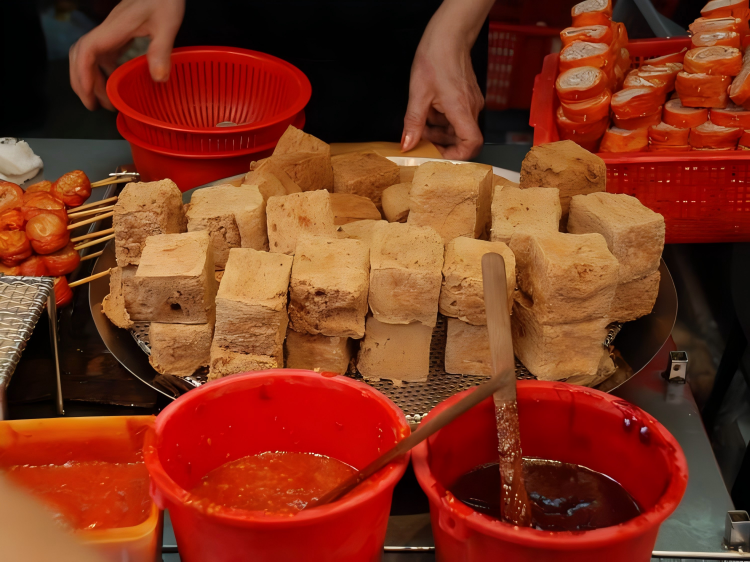
Hunan's answer to the stinky tofu challenge. Fermented tofu blocks are deep-fried until dark and crispy on the outside. Poked in the center and filled with chili oil, garlic paste, and spices. The Hunan version is darker and more aggressively fermented than other regional styles, with a more intense aroma. Spicy, tangy, and surprisingly delicious.
Flavor Profile: Fermented | Spicy | Intense | Crispy
Origin: Beijing (Central flavor profile)
An acquired taste that becomes an addiction. A fermented drink made from mung bean residue, with a distinct sour flavor. Usually served with jiaoquan (crispy fried rings) and pickled vegetables. The sourness can be surprising at first, but the refreshing quality and probiotic benefits make it a beloved local beverage.
Flavor Profile: Sour | Refreshing | Unique | Light
Origin: Hunan / Hubei
A summer favorite across Central China. Fresh crayfish are stir-fried with garlic, chili, Sichuan peppercorns, beer, and spices until the sauce is rich and aromatic. The crayfish absorb the spicy, garlicky sauce, becoming tender and flavorful. Eaten with your hands, peeling each crayfish is part of the experience. Spicy, messy, and absolutely worth it.
Flavor Profile: Spicy | Garlicky | Messy | Addictive
Origin: Henan / Central China
A versatile street food. Flour dough is layered with sesame oil, seeds, and sometimes sweet or savory fillings, then baked in a clay oven until golden and flaky. Can be sweet (filled with red bean paste) or savory (with herbs, spices, or meat). The exterior is crispy and sesame-scented, while the layers inside are soft and tender.
Flavor Profile: Crispy | Sesame-scented | Flaky | Versatile
Origin: Hunan / Guizhou
A traditional beverage and porridge hybrid. Tea leaves are fried with rice, nuts, sesame, and other aromatics, then simmered to create a thick, rich mixture. The result is a comforting, aromatic drink that is both hydrating and satisfying. Often eaten for breakfast or as a warming snack in winter. Nutty, tea-infused, and deeply nourishing.
Flavor Profile: Nutty | Aromatic | Comforting | Warming
Sichuan, Yunnan, and Guizhou cuisine celebrates bold, numbing-spicy flavors and diverse ingredients. The region's ethnic diversity creates an incredible variety of dishes.
Origin: Chengdu / Sichuan Province
Sichuan's noodle masterpiece. Wheat noodles are topped with a rich sauce made from chili oil, Sichuan peppercorns, minced pork, sesame paste, and preserved vegetables. The signature Sichuan peppercorns create a numbing sensation that balances the heat. The dish is named after the traditional carrying pole (dan dan) used by street vendors. Spicy, numbing, and deeply satisfying.
Flavor Profile: Numbing | Spicy | Sesame-rich | Satisfying
Origin: Yunnan Province
Yunnan's most famous dish with a romantic legend. A bowl of steaming hot broth arrives separately from fresh ingredients: raw meat slices, vegetables, rice noodles, and herbs. The heat of the broth cooks the ingredients at your table. The result is a clean, fragrant soup with tender meat, fresh vegetables, and silky rice noodles. Light yet deeply flavorful.
Flavor Profile: Light | Fragrant | Fresh | Interactive
Origin: Sichuan / Shaanxi
A large, thick, savory pastry baked in clay ovens. The dough is pressed flat, topped with spices, chili oil, and sometimes meat, then baked until crispy on the outside and soft inside. Often served with dipping sauces. The name translates to 'pot lid' due to its shape. Crispy, spicy, and perfect for sharing.
Flavor Profile: Crispy | Spicy | Thick | Hearty
Origin: Guizhou Province
Guizhou's signature sour dish. Fresh fish is simmered with pickled bamboo shoots, tomatoes, chili, and sour fruits to create a deeply sour and aromatic broth. The sourness comes from natural fermentation, creating a complex, appetizing flavor. The fish becomes tender, absorbing the sour-spicy broth. Refreshing, bold, and uniquely Guizhou.
Flavor Profile: Sour | Aromatic | Refreshing | Bold
Origin: Yunnan Province
A Yunnan specialty. Made from glutinous rice pressed into cakes, erkuai can be grilled, stir-fried, or boiled. The texture is soft, slightly chewy, and very similar to mochi. Often stir-fried with vegetables and meat, or grilled and dipped in sweet or savory sauces. The plain version has a subtle rice sweetness that pairs well with various seasonings.
Flavor Profile: Chewy | Rice-sweet | Versatile | Mochi-like
Origin: Sichuan / Chongqing
A summer staple in Sichuan. Wide, flat noodles are served cold and tossed in a generous amount of chili oil, Sichuan peppercorns, vinegar, and sesame paste. The contrast between cold noodles and the spicy, numbing dressing is refreshing. Topped with crushed peanuts, cucumber, and fresh herbs. Cool, spicy, numbing—a perfect balance.
Flavor Profile: Cold | Numbing | Spicy | Refreshing
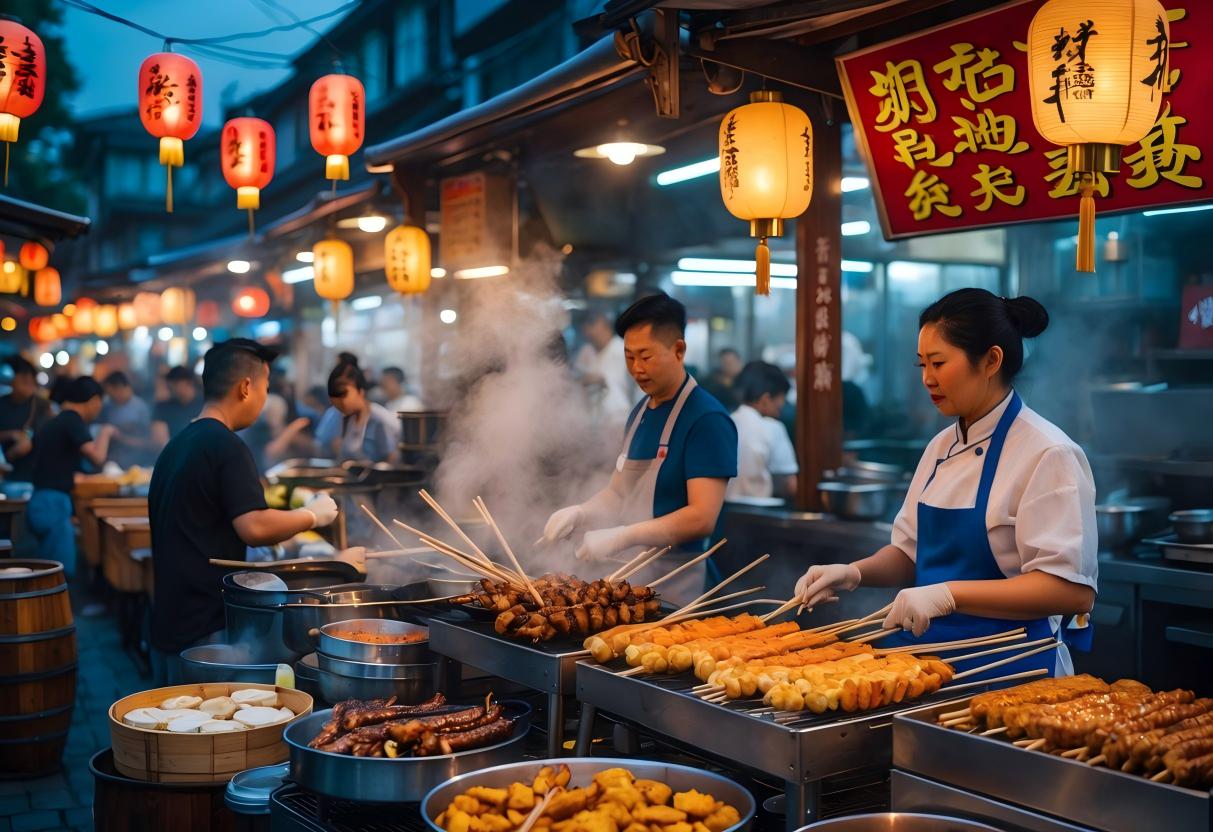
Night markets are the heartbeat of Chinese street food culture. From the Muslim Quarter in Xi'an to Jinli Street in Chengdu, these vibrant markets come alive after sunset with sizzling grills, steaming pots, and crowds of hungry locals and curious tourists.
The atmosphere is electric—red lanterns strung overhead, the aroma of cumin-spiced lamb skewers filling the air, vendors calling out their specialties. Most markets run from 6 PM until late, with peak hours between 8-11 PM when locals finish work and families venture out for dinner.
Break a bowl of bread for Yangrou Paomo in Xi'an
Watch jianbing being made on a griddle in Beijing
Navigate through Chengdu's skewer hot pot
Bite into a fresh xiaolongbao without spilling the soup
Experience the aroma and taste of stinky tofu in Changsha
Try the numbing sensation of Sichuan peppercorns
Join locals for hot dry noodles breakfast in Wuhan
Wander through Hong Kong's dai pai dongs (street stalls)
Choose busy stalls with high turnover (fresh food)
Watch your food being prepared before you order
Eat cooked foods that are served hot
Avoid raw vegetables unless washed in purified water
Bring tissues—napkins are often scarce
Look for vendors who use clean cooking practices
Trust local recommendations over tourist guides
If you have dietary restrictions, learn key phrases
Xi'an: Muslim Quarter is legendary for lamb skewers and roujiamo
Chengdu: Yulin Road offers authentic local skewers and snacks
Beijing: Hutongs are full of traditional jianbing and breakfast spots
Shanghai: From xiaolongbao to shengjian bao, dumpling heaven
Guangzhou: Morning street food culture like nowhere else
Changsha: The spiritual home of stinky tofu and spicy crayfish
Hong Kong: Dai pai dongs serving traditional Cantonese street food
Chongqing: Spicy hot pot and numbing pepper specialties
────────────────────────────────────────
Chinese street food is deeply tied to geography and climate. Northern China's cold, dry climate favors hearty, warming dishes like jianbing and zhajiangmian. The humid south prefers lighter, fresher flavors found in cheung fun and rice noodle dishes. The inland provinces embrace bold spices, while coastal areas showcase fresh seafood.
Every dish tells a story of regional identity—ingredients available locally, cooking techniques developed over centuries, and flavors that define a place. Understanding regional food is understanding China itself.
Street food in China is inherently social. Vendors often have communal tables where strangers share meals, strike up conversations, and bond over food. Night markets are community gathering places where people relax after work, families spend evenings together, and friends meet for snacks and conversation.
Sharing is part of the experience. Ordering several dishes and passing them around the table, or sampling skewers from multiple vendors, creates a collective culinary journey. The act of eating together bridges cultural and social gaps.
China's vast landscape creates distinct culinary ecosystems. The wheat-growing north produces endless varieties of noodles, breads, and buns. The rice-cultivating south excels in rice-based dishes. The spicy Sichuan basin uses local peppercorns to create numbing heat. The coastal regions' seafood bounty shapes their cuisine.
Seasonal changes also dictate street food offerings. Winter brings warm, hearty snacks like tanghulu and hot soups. Summer favors cold dishes like liangpi and refreshing noodles. The street food calendar follows the rhythm of nature.
Many street food recipes have been passed down through generations of vendors. Mastering dishes like hand-pulled noodles or roujiamo takes years of practice. These vendors are custodians of cultural heritage, preserving traditions that might otherwise be lost to modernization.
Street food also reflects China's rapid change while maintaining traditions. Old favorites coexist with new inventions, international influences merge with local flavors, and street food continues to evolve while staying rooted in cultural identity.
 Contact us :



WeChat

WhatsApp
Copyright ©2026-2031 Terms of Service Privacy Policy Return Terms Travel agency qualification number