
Oriental Cuisine Current location:HomeOriental Cuisine
 Time: 2023/3/21
 Hit: 124928
ORIENT SURPRISES TRAVEL
CANTONESE CUISINE
A Culinary Journey Through Southern China
────────────────────────────────────────
────────────────────────────────────────
The Art of Freshness, Balance, and Refinement
An Exclusive Guide for International Travelers
────────────────────────────────────────
Cantonese cuisine, also known as Yue cuisine, originates from Guangdong province and stands as one of the Eight Culinary Traditions of China. With over 2,000 years of history, this refined culinary tradition has shaped the way the world understands Chinese food.
The recipes and cooking techniques of Cantonese cuisine first appeared in the literature of the Han Dynasty (206 BC - 220 AD) and continued to develop through the Wei, South and North dynasties (220 - 587). As Guangzhou emerged as a major trading port during the Tang Dynasty, foreign ingredients and cooking methods began influencing local cuisine.
The cuisine was further refined during the Song Dynasty, when it gained recognition throughout China. At the beginning of the 20th century, Cantonese cuisine became famous both at home and abroad. Due to the massive waves of emigrants from Guangdong during the 19th century, Cantonese cuisine became the most widely available type of Chinese cuisine outside China, establishing itself as the global face of Chinese gastronomy.
Today, Cantonese cuisine continues to influence culinary traditions worldwide. Its emphasis on freshness, delicate flavors, and artistic presentation has earned it a reputation as the most internationally recognized Chinese regional cuisine. The cuisine's adaptability has allowed it to incorporate elements from Southeast Asian, Western, and other culinary traditions while maintaining its distinctive character.
────────────────────────────────────────
────────────────────────────────────────
★ Freshness First
Cantonese cuisine places ingredient freshness above all else. The phrase "bu shi bu shi" — "if it is not fresh, don't eat it" — captures the essence of this culinary philosophy. Live fish in tanks, just-caught seafood, and seasonal vegetables are the standard, not the exception.
★ Light Seasoning
Unlike the bold spices of Sichuan cuisine, Cantonese cooking uses minimal seasoning to enhance rather than mask the natural flavors of ingredients. Light soy sauce, ginger, garlic, and scallions are the primary flavor agents, allowing the quality of the raw ingredients to shine through.
★ Mastery of Steaming
Steaming is the most culturally significant cooking method in Cantonese cuisine. It preserves the natural flavors, moisture, and nutrients of ingredients while achieving perfect texture. Steamed fish is considered the benchmark dish by which Cantonese cooks are judged.
★ Seafood Excellence
Given Guangdong's coastal location on the South China Sea, fresh seafood is central to Cantonese cooking. Fish, shrimp, crab, clams, and scallops are prepared with techniques that honor their natural sweetness and texture.
★ Dim Sum Culture
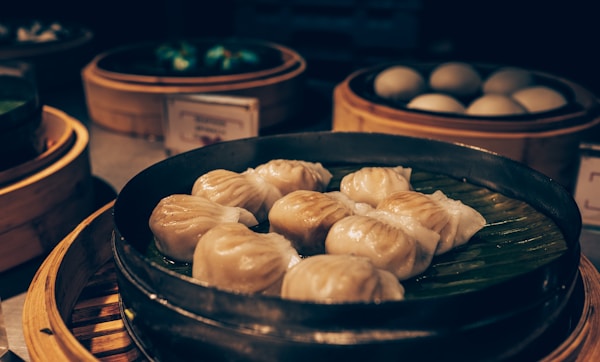
The tradition of yum cha (drinking tea) with dim sum represents the social heart of Cantonese cuisine. These bite-sized delicacies, typically served in bamboo steamers, have become a beloved ritual for family gatherings and social occasions.
★ Artistic Presentation
Cantonese chefs pay meticulous attention to food presentation, arranging dishes with consideration for color harmony, shape, and visual appeal. A beautiful plate is considered as important as a delicious one.
★ Delicate Balance
The Cantonese believe in achieving harmony between flavors, textures, and temperatures. Dishes should never be too oily, too spicy, or too heavy, but rather light, aromatic, and perfectly balanced.
────────────────────────────────────────
The most famous branch, centered in Guangzhou (Canton), is known for its refined techniques, elaborate dim sum, and sophisticated evening banquets. Guangzhou cuisine emphasizes the freshness of ingredients and the subtlety of flavors, with cooking methods ranging from steaming and stir-frying to roasting and braising.
Originating from the Chaoshan region, this style is characterized by lighter flavors, seafood emphasis, and unique pickling techniques. Chaozhou cuisine is famous for its oyster sauce, fermented beans, and the practice of serving cold dishes alongside hot courses.
The Hakka tradition brings hearty, soulful dishes to Cantonese cuisine. Known for salt-baked chicken, stuffed tofu, and braised pork belly, Hakka cooking reflects a philosophy of resourcefulness and comfort, with richer flavors and more substantial portions.
────────────────────────────────────────
1. Har Gow (Crystal Shrimp Dumplings)
These translucent dumplings filled with plump shrimp and bamboo shoots are considered the gold standard of dim sum craftsmanship. The delicate wrapper must be thin enough to reveal the pink shrimp inside yet sturdy enough not to break when picked up with chopsticks. The perfect har gow has 7-10 pleats meticulously folded by hand.
Tags: Seafood | Steamed | Delicate | Iconic
────────────────────────────────────────
2. Siu Mai (Pork and Shrimp Dumplings)
These open-topped dumplings feature a juicy mixture of minced pork, shrimp, and mushrooms, often garnished with crab roe or a single pea for color. Siu mai represents the perfect balance of textures — tender filling, slightly chewy wrapper, and the burst of umami from the toppings.
Tags: Pork | Shrimp | Steamed | Savory
────────────────────────────────────────
3. Char Siu Bao (BBQ Pork Buns)
Soft, fluffy steamed buns filled with caramelized Cantonese BBQ pork. The snowy-white exterior conceals a sweet and savory filling that has been slow-roasted until tender and glistening with honey-glazed marinade. These buns embody the comfort and indulgence of Cantonese dim sum culture.
Tags: Pork | Steamed | Sweet | Comforting
────────────────────────────────────────
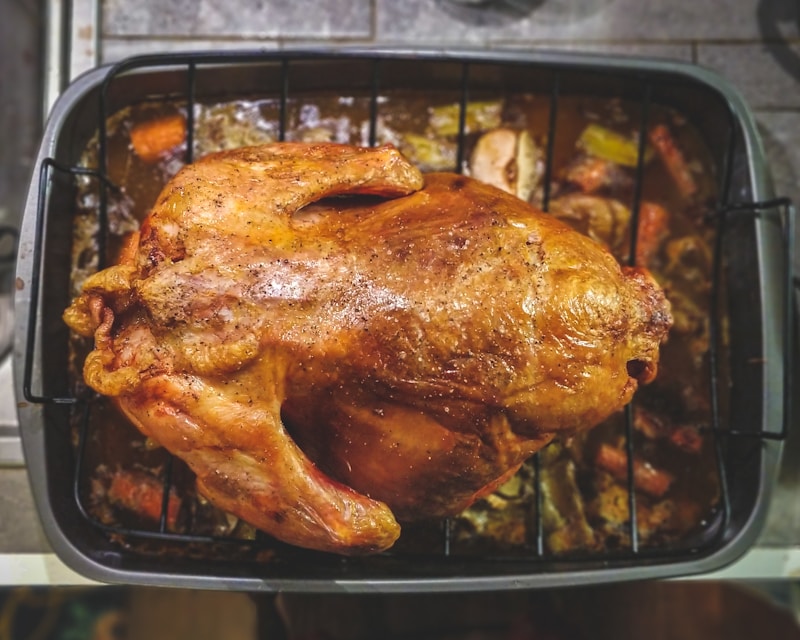
4. Roast Goose
Considered the pinnacle of Cantonese roast meat, a well-prepared roast goose features crackling, paper-thin skin that shatters when bitten into, with a layer of flavorful fat and incredibly succulent meat underneath. Traditionally roasted over lychee wood, it is served with plum sauce that cuts through the richness.
Tags: Poultry | Roasted | Premium | Aromatic
────────────────────────────────────────
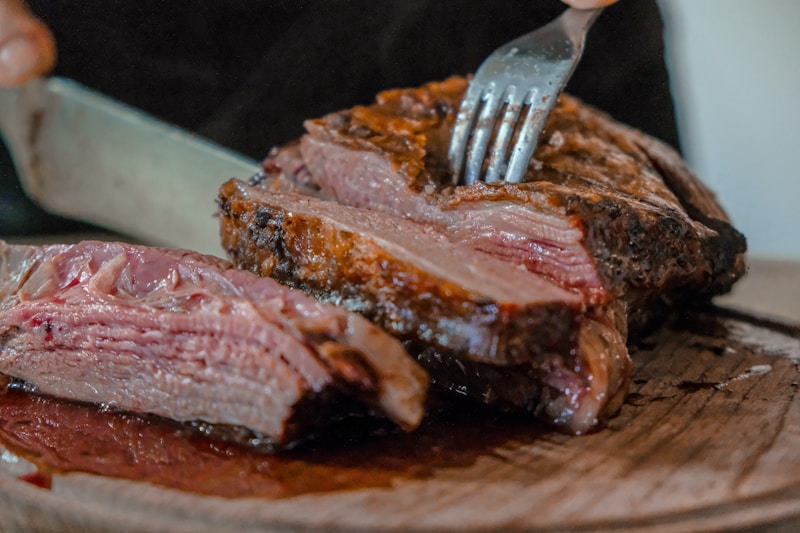
5. Char Siu (Cantonese BBQ Pork)
Pork marinated in a sweet and savory blend of hoisin sauce, honey, and five-spice, then roasted until the exterior develops a beautiful caramelized glaze. The contrasting textures — crispy edges, tender meat, and glossy sauce — make char siu a beloved staple of Cantonese cuisine.
Tags: Pork | Roasted | Sweet | Versatile
────────────────────────────────────────
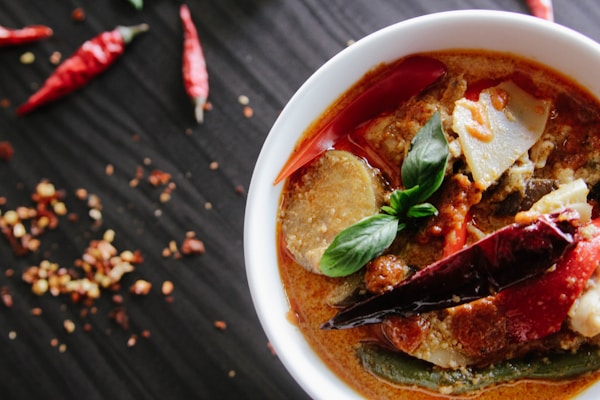
6. Steamed Fish
A whole fish from a live tank, steamed for precisely the right time, then finished with ginger, scallion, and a ladleful of smoking-hot oil poured over the top. The fish is then dressed with light soy sauce. This dish is the ultimate test of a Cantonese chef's skill and embodies the philosophy of preserving natural flavors.
Tags: Seafood | Steamed | Pure | Essential
────────────────────────────────────────
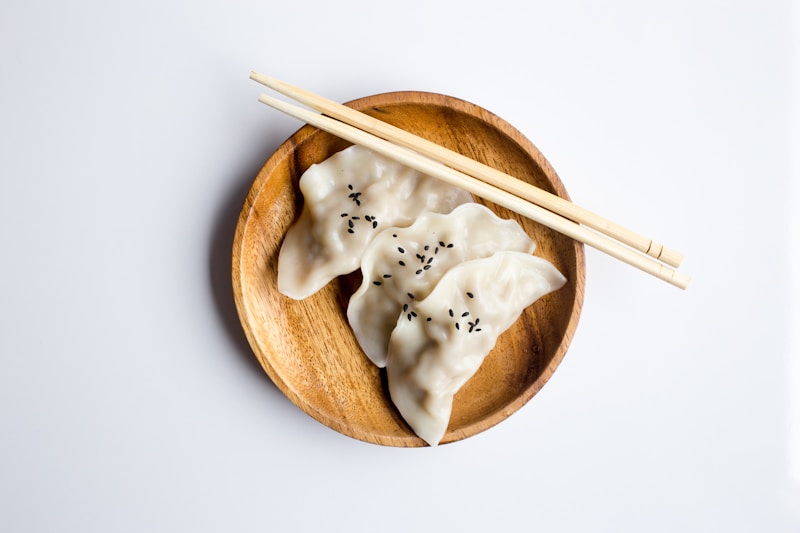
7. Sweet and Sour Pork
Crispy fried pork pieces tossed in a vibrant sauce balancing sweetness and tanginess, typically with pineapple chunks, bell peppers, and onions. This dish showcases the Cantonese talent for achieving perfect textural contrast — the crispy exterior giving way to tender meat within.
Tags: Pork | Fried | Sweet | Tangy
────────────────────────────────────────
8. White Cut Chicken (Bai Qie Ji)
A deceptively simple dish that requires precise technique. Chicken is poached at a low temperature until just cooked, then immediately cooled to achieve perfectly tender, juicy meat with a silky skin. Served with ginger-scallion dip, this dish demonstrates that excellence lies in restraint and timing.
Tags: Chicken | Poached | Delicate | Traditional
────────────────────────────────────────
9. Wonton Noodles
Fine, springy egg noodles served in a clear, aromatic broth of dried flounder, pork bones, and shrimp roe, topped with plump wontons filled with minced pork and whole shrimp. The wontons have paper-thin skins that melt in your mouth, while the noodles provide satisfying texture.
Tags: Noodles | Soup | Comforting | Classic
────────────────────────────────────────
10. Congee (Rice Porridge)
Silky smooth rice porridge that serves as both comfort food and a vehicle for delicate flavors. Cantonese congee can be plain or laden with ingredients like century egg, lean pork, seafood, or offal. It is the ultimate soothing dish, perfect for breakfast or during illness.
Tags: Rice | Comfort | Versatile | Gentle
────────────────────────────────────────
────────────────────────────────────────
◆ Steaming
The most prestigious Cantonese cooking method, steaming preserves the natural flavors, moisture, and nutritional value of ingredients. Perfect for fish, dim sum, and vegetables. The key is precise timing — overcooking is considered a culinary sin.
◆ Stir-Frying
High-heat, rapid cooking in a wok that creates the prized "wok hei" (breath of the wok) — a distinctive smoky, Maillard-reaction flavor. Requires meticulous preparation and split-second timing.
◆ Roasting
Cantonese roast meats (siu mei) are prepared in specialized ovens with careful marination, air-drying, and glaze application. The result is lacquered skin and succulent meat, exemplified by char siu and roast goose.
◆ Braising
Slow-cooking in seasoned liquid until ingredients become tender and flavorful. Used for tougher cuts of meat and creates rich, complex flavors through extended simmering.
◆ Velveting
A marinade technique using egg whites, cornstarch, and rice wine that creates a protective coating around meat, resulting in exceptionally tender and silky texture during high-heat cooking.
◆ Double-Boiling
Slow, gentle cooking in a sealed container submerged in water, used primarily for nutritious tonic soups that require hours of simmering to extract maximum flavor and health benefits.
◆ Poaching
Cooking in barely simmering liquid at precise temperatures, ideal for delicate proteins like chicken and fish. The gentle heat ensures perfectly cooked, tender results.
────────────────────────────────────────
Beyond the signature dishes, Cantonese cuisine offers a treasure trove of beloved classics that showcase the region's culinary creativity and dedication to excellence.
Rice cooked in a clay pot over charcoal, topped with ingredients like Chinese sausage, chicken, eel, or spare ribs. The highlight is the crispy, caramelized rice crust at the bottom — the most prized part of the dish.
Wide rice noodles dry-fried with tender beef slices and bean sprouts, achieving a smoky wok hei flavor. The silky noodles and savory beef create an irresistible combination.
Flaky, buttery pastry filled with silky smooth custard that is caramelized to perfection. This Portuguese-inspired dessert has become an essential part of Cantonese tea culture.
Premium lobster prepared with superior technique, typically stir-fried with ginger, scallion, and rich sauce. A celebratory dish that showcases Cantonese mastery of seafood.
Golden, crispy cylindrical pastries filled with savory vegetables, meat, or seafood. A classic dim sum staple that offers satisfying crunch with every bite.
────────────────────────────────────────
────────────────────────────────────────
The foundation of Cantonese cooking rests on a profound philosophy that places the quality of raw ingredients above all else. Where other Chinese regional cuisines use spice and technique to build complexity independent of the protein or vegetable, Cantonese cooking subordinates everything to ingredient freshness.
"Bu Shi Bu Shi" — If It's Not Fresh, Don't Eat It
This guiding principle permeates every aspect of Cantonese cooking. A Guangzhou chef would consider overcooking or over-seasoning a dish as a culinary sin of the highest order. The natural essence of the ingredient must always be preserved and celebrated.
◆ Freshness Above All — Use only the freshest, highest quality ingredients available
◆ Less Is More — Minimal seasoning to enhance, not mask, natural flavors
◆ Preserve Original Taste — "Bao Chi Yuan Wei" — maintain the authentic flavor of ingredients
◆ Balanced Harmony — Achieve equilibrium between flavors, textures, and temperatures
◆ Seasonal Eating — "Bu Shi Bu Shi" also means eating what is in season
◆ Artistic Presentation — Food should be visually beautiful, not just delicious
◆Technique Serves Ingredients — Cooking methods should elevate, not overpower
────────────────────────────────────────
ORIENTAL SURPRISES TRAVEL
Your gateway to authentic Cantonese culinary experiences in Guangdong and beyond. From morning tea rituals in Guangzhou's historic teahouses to fresh seafood feasts by the South China Sea, we curate unforgettable gastronomic journeys that honor the rich traditions of Cantonese cuisine.
────────────────────────────────────────
 Contact us :



WeChat

WhatsApp
Copyright ©2026-2031 Terms of Service Privacy Policy Return Terms Travel agency qualification number