
Oriental Cuisine Current location:HomeOriental Cuisine
 Time: 2024/6/26
 Hit: 213814
ORIENTAL SURPRISES TRAVEL
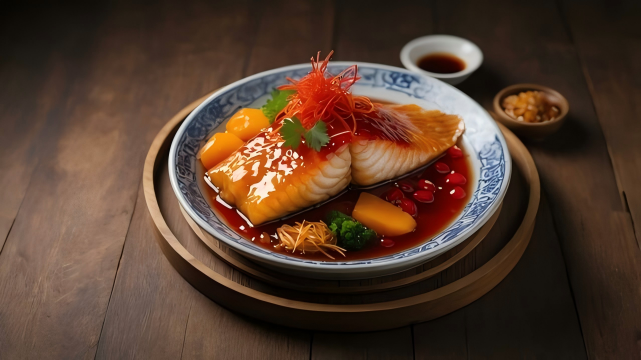
A Taste of Shandong
────────────
The Crown of China's Eight Great Cuisines
The Art of Fire · The Mastery of Broth · The Spirit of Harmony
The Origin of Lu Cuisine
━━━━━━━━
Lu Cuisine Lǔ Cài, named after the ancient State of Lu where Confucius was born, is the oldest and most influential of China's Eight Great Cuisines. With a history spanning over 3,000 years, it traces its roots to the Spring and Autumn Period, flourished through the Han and Tang dynasties, and reached its zenith during the Ming and Qing eras as the backbone of imperial court cuisine.
The culinary philosophy of Lu Cuisine is deeply rooted in Confucian thought —Food should never be too finely processed, nor should the cutting be too minut). This pursuit of refinement, combined with Shandong's extraordinary geographic diversity — the Yellow River basin, the Bohai Sea coastline, the Taihang Mountains, and vast fertile plains — has created a cuisine of remarkable breadth and depth.
As the "Mother Cuisine" of Chinese gastronomy, Lu Cuisine fundamentally shaped the culinary traditions of northern China. Its techniques, flavors, and principles became the foundation of Beijing court cuisine, and its influence extends to Tianjin, Northeast China, and beyond. Today, Lu Cuisine stands as a living testament to China's rich culinary heritage.
━━━━━━━━
Historical Milestones
Spring & Autumn (770–476 BC) | Confucius articulated the philosophy of culinary refinement in The Analects |
Han Dynasty (206 BC–220 AD) | Shandong cuisine techniques documented; early stir-frying methods emerged |
Northern Wei (386–534) | Jia Sixie's Qimin Yaoshu recorded comprehensive Shandong cooking methods |
Tang Dynasty (618–907) | Lu Cuisine knife techniques reached extraordinary heights |
Song Dynasty (960–1279) | Lu Cuisine became the standard of 'Northern Food'; Kong Family cuisine established |
Ming & Qing (1368–1912) | Lu chefs dominated the Imperial Kitchen; backbone of the Manchu-Han Imperial Feast |
Core Characteristics
━━━━━━━━
· Salty-Fresh Foundation
Lu Cuisine's flavor philosophy centers on pure, clean salinity that enhances rather than masks natural flavors. Salt is used to elevate umami, not dominate it. The result is dishes that taste deeply savory yet never heavy — a balance described as fresh but not greasy.
· Mastery of Broth
Broth is the soul of Lu Cuisine. Two master stocks define the cuisine: Clear Broth, crystal-clear yet intensely flavorful, made by simmering chicken, duck, and ham for hours then clarifying with lean minced meat; and Milky Broth, rich and white as milk, achieving its color through vigorous boiling that emulsifies the fats. Many classic dishes owe their depth entirely to these stocks.
· The Art of Explosion Stir-Fry
The bào technique — ultra-high-heat explosion stir-frying — is Lu Cuisine's most distinctive contribution. Ingredients are cooked in seconds at extreme temperatures, locking in texture and flavor. As the saying goes: 'Cooking is like taking treasure from fire: a moment too short and it's raw, a moment too long and it's tough.'
· The Scallion Mastery
Shandong's famous large scallions are central to Lu Cuisine's aromatic identity. Unlike other cuisines where scallion is a garnish, in Lu Cuisine it is a primary flavoring agent — fried whole until caramelized to create scallion-braised dishes. The fragrance of caramelized scallion oil is the signature aroma of Shandong kitchens.
· Seafood Excellence
Shandong's long coastline along the Bohai Sea and Yellow Sea provides an extraordinary bounty of seafood. Lu chefs have perfected the art of preparing sea cucumber, abalone, prawns, and shellfish — treating each with respect for its natural flavor while enhancing with the cuisine's signature broths and techniques.
· The Spirit of Ritual
Deeply influenced by Confucian philosophy, Lu Cuisine places great emphasis on dining etiquette, banquet structure, and the social dimensions of food. From the elaborate Kong Family Banquet to the generous Shandong tradition of abundant sharing plates, every meal is an expression of hospitality, respect, and cultural refinement.
Three Great Schools of Lu Cuisine
━━━━━━━━
Lu Cuisine encompasses three major branches, each with distinct character rooted in regional geography and culture.
· Jinan Cuisine
The inland heart of Lu Cuisine, centered around the capital city of Jinan. Jinan cuisine is characterized by its mastery of soups and broths, emphasis on precise fire control, and use of diverse cooking techniques including 爆 (explosion fry), 烧 (braising), and 炸 (deep-frying). Jinan's famous Daming Lake provides the tender cattail shoots (蒲菜) for the beloved Milk Soup Cattail.
Key: Soup Mastery · Precise Fire · Complex Techniques
· Jiaodong (Colostine) Cuisine
Born from the Shandong Peninsula's extensive coastline, Jiaodong cuisine is the seafood specialist. Originating from the historic port city of Fushan (福山), this school emphasizes the pure, natural flavors of the freshest catch — sea cucumber, prawns, scallops, fish, and shellfish. The philosophy is 原汁原味 (original flavor, original taste).
Key: Seafood Focus · Fresh & Natural · Delicate Preparation
· Kong Family (Confucius) Cuisine
The most refined and ceremonial branch, originating from the Kong family mansion in Qufu — the ancestral home of Confucius's descendants. For over 2,000 years, the Kong family maintained an elaborate culinary tradition that combined imperial-level refinement with Confucian ritual propriety. Dishes are meticulously prepared with exquisite attention to presentation, naming, and symbolism.
Key: Ceremonial Elegance · Poetic Naming · Cultural Heritage
Signature Dishes
━━━━━━━━
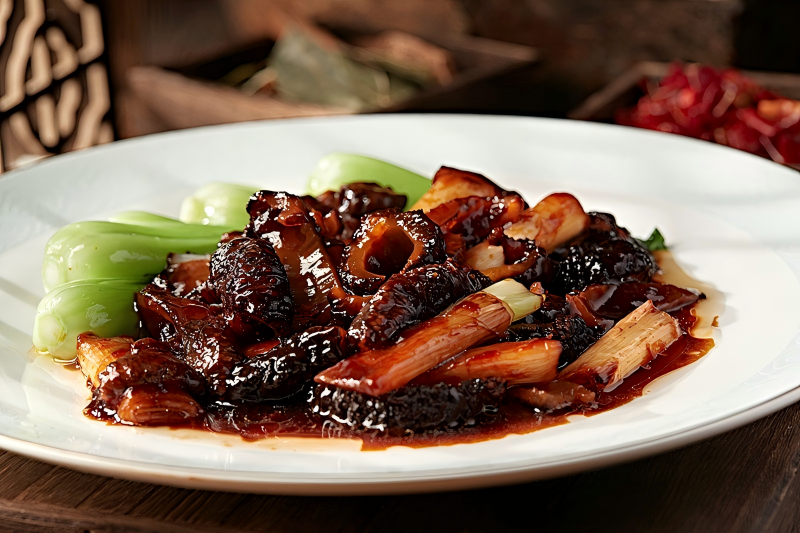
| Braised Sea Cucumber with Scallion
Jiaodong Cuisine · The Crown Jewel of Lu Cuisine
The pinnacle of Lu Cuisine and a frequent guest at state banquets. Premium sea cucumber is slowly braised with Shandong's famous large scallions until the scallions caramelize into a deeply aromatic, golden-brown oil. The sauce — a marriage of this scallion oil and rich broth — coats each piece of tender, gelatinous sea cucumber. The result is a dish of extraordinary depth: umami-rich, fragrant, and luxuriously textured.
Umami & Fragrant | Scallion-Braised | State Banquet Classic
Signature Dishes: Braised Sea Cucumber · Braised Trotter with Scallion · Scallion-Braised Tendon
━━━━━━━━
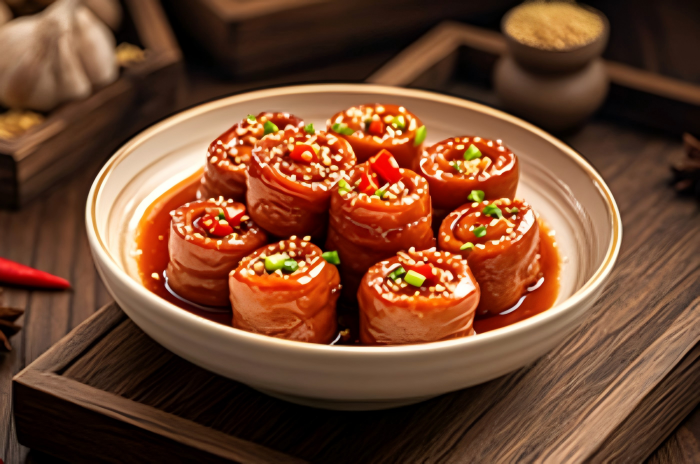
| Nine-Turn Intestines
Jinan Cuisine · A Masterpiece of Complexity
Created during the Guangxu period of the Qing Dynasty, this iconic dish transforms humble pig intestine into something extraordinary through an elaborate multi-step process: blanching, boiling, deep-frying, and finally braising with a symphony of spices including cardamom, cinnamon, and rock sugar. The name "Nine-Turn" references the Taoist alchemical quest for the elixir of immortality. The result is simultaneously sweet, sour, salty, spicy, and fragrant — with a tender yet resilient texture.
Five Flavors Unified | Complex Process | Historical Classic
Signature Dishes: Nine-Turn Intestines · Braised Intestines in Brown Sauce · Crispy Intestines
━━━━━━━━
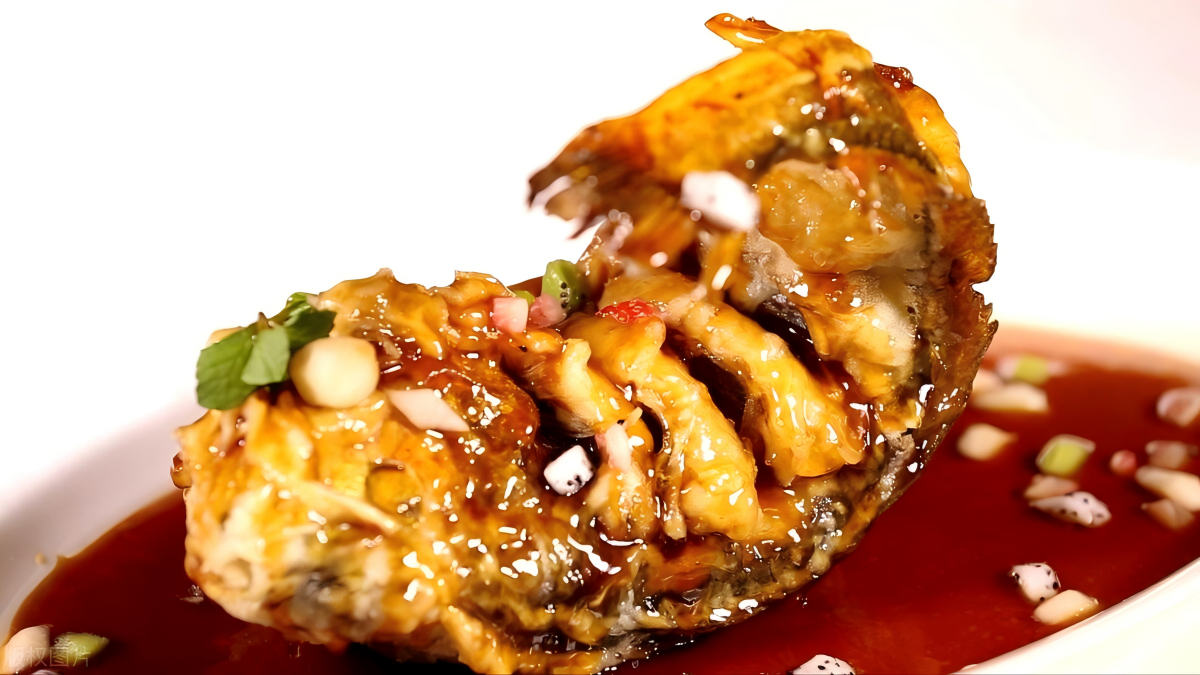
| Sweet and Sour Yellow River Carp
Jinan Cuisine · The Art of Transformation
The visual showstopper of Lu Cuisine. A whole Yellow River carp is scored with the peony flower knife pattern, a technique requiring exceptional skill. After deep-frying, the fish springs into a dramatic leaping pose, tail raised high, evoking the legendary Carp Leaping over the Dragon Gate. A perfectly balanced sweet-and-sour sauce is poured over while sizzling — excellence in both sound and form. Crispy outside, tender inside, it symbolizes prosperity and ambition.
Sweet & Sour | Visual Drama | Cultural Symbol
Signature Dishes: Sweet and Sour Carp · Sweet and Sour Pork Loin · Vinegar-Perfumed Fish

| Braised Prawns in Rich Sauce
Jiaodong Cuisine · The Soul of Shandong Seafood
A celebration of the Bohai Sea's generous prawns. Large, heads-on prawns are first stir-fried to release their brilliant red oils, then gently braised in a sauce of ginger, scallion, and master stock until every fiber absorbs the savory-sweet essence. The technique of oil-braising is uniquely Shandong — it intensifies flavor while preserving the prawns' natural sweetness and springy texture.
Rich & Sweet | Oil-Braising Technique | Bohai Bay Specialty
Signature Dishes: Braised Prawns · Steamed Prawns · Prawns with Ginger Vinegar
━━━━━━━━
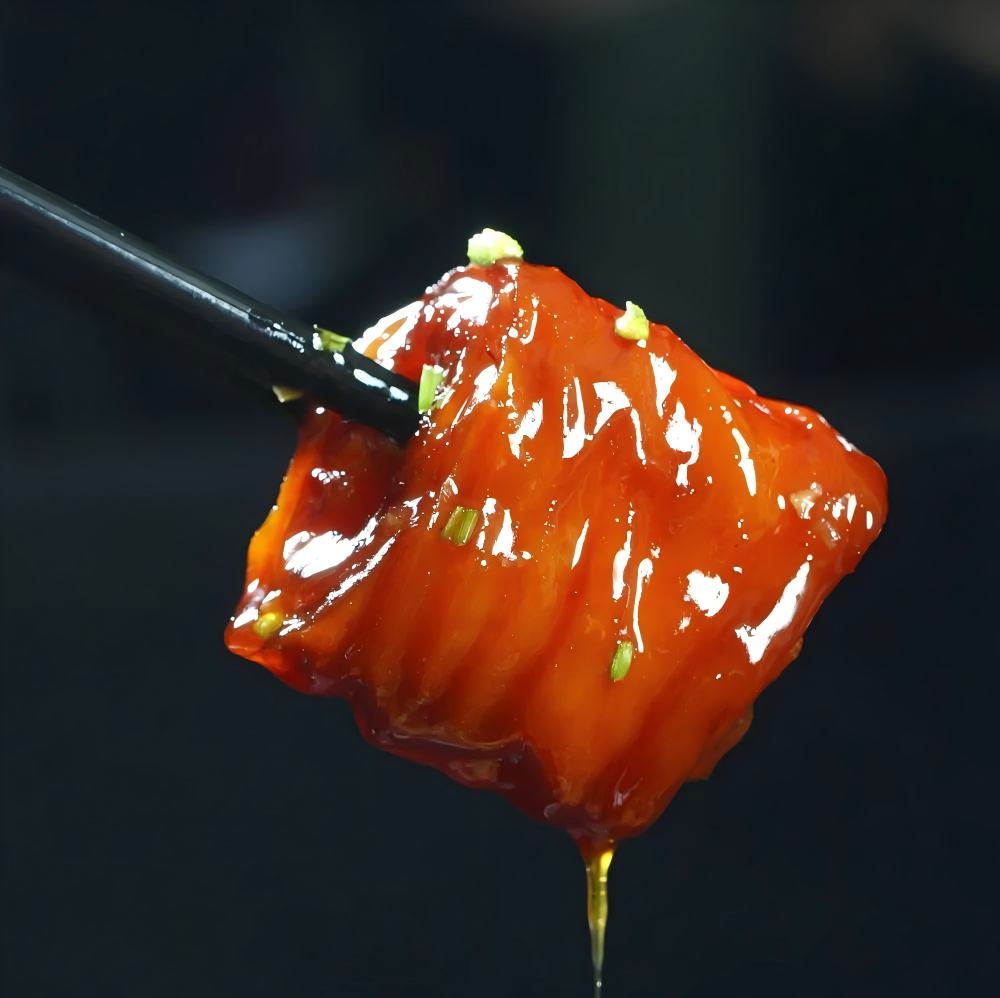
| Oil-Burst Double Delicacy
Jinan Cuisine · The Ultimate Test of Fire Control
This dish is the ultimate examination of a Lu chef's mastery over heat. Two ingredients — pig tripe tip and chicken gizzard — are scored with fine crosshatch patterns, then plunged into roaring hot oil for mere seconds. The timing is everything: one second too short and they're raw, one second too long and they're tough. When executed perfectly, both ingredients achieve an extraordinary crisp-tender texture, coated in a glistening, light sauce.
Ultra-Crisp | Fire Mastery | Technical Peak
Signature Dishes: Oil-Burst Double Crispy · Soup-Burst Double Crispy · Scallion-Burst Tripe
━━━━━━━━
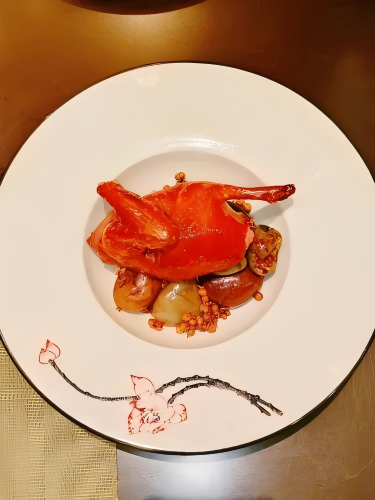
| Dezhou Braised Chicken
Jinan Cuisine · China's Legendary Chicken
One of China's most famous prepared foods, with a history spanning over 300 years. A whole chicken is first glazed with honey water, then deep-fried to set the skin, before being submerged in an ancient master broth containing over a dozen spices and simmered for hours until the meat falls effortlessly from the bone. So tender that even the bones are soft enough to eat — a testament to the patience and precision of Lu Cuisine's braising tradition.
Five-Spice Aroma | Bone-Tender | Heritage Brand
Signature Dishes: Dezhou Braised Chicken · Five-Spice Chicken · Master Broth Chicken
The Art of Technique
━━━━━━━━
Lu Cuisine possesses the most comprehensive and sophisticated cooking technique system among all Chinese cuisines.
· Explosion Stir-Fry
Lu Cuisine's signature technique. Ultra-high heat, split-second timing. Ingredients are cooked in seconds to achieve maximum crispness. Subtypes include oil-burst, sauce-burst, cilantro-burst, and soup-burst. The dramatic technique of fire-burst sees flames rising above the wok — a spectacle that demands years of mastery.
· Slow Braising
A gentle, patient technique where ingredients are arranged neatly in a pan and slowly cooked in seasoned broth until tender and infused with flavor. Red braising uses dark soy for color; white braising keeps the dish pale and elegant.
· Sugar Pulling
A uniquely Shandong art form. Sugar is heated to precisely 160 degrees, then the fried ingredient is tossed in the molten sugar. When served, chopsticks pull long, golden threads of caramelized sugar — a dramatic tableside experience.
· Broth Making
The foundation of all Lu Cuisine. Clear broth is clarified to near-transparency while maintaining extraordinary depth of flavor. Milky broth achieves its white color through vigorous boiling that emulsifies collagen and fat. These broths are the invisible backbone of countless dishes.
· Sweet and Sour
Lu Cuisine's sweet-and-sour preparations achieve a balance unknown in Western versions. The balance of sweet and sour must be exact — a drop more and it cloy, a drop less and it flat.
· Fragrant Wine Sauce
A delicate technique using fermented wine lees to create a unique aromatic sauce. The lees, combined with Shaoxing wine and osmanthus, infuse gently poached ingredients with a complex, wine-like fragrance.
More Classic Dishes
━━━━━━━━
· Milk Soup Cattail
Known as the 'Crown of Jinan Soup Dishes.' Tender cattail shoots from Daming Lake are simmered in rich milky broth. The soup is white as jade, the cattail crisp and refreshing — a perfect expression of Lu Cuisine's broth mastery.
────────────
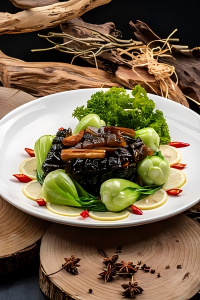
· Four Joy Meatballs
The grand finale of Shandong celebration banquets. Four large, golden meatballs represent Fortune, Prosperity, Longevity, and Joy. Crispy exterior, tender and juicy interior, served in rich brown sauce.
────────────
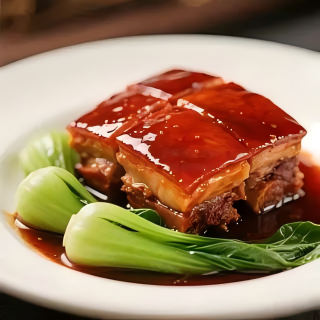
· Wine-Sauce Fish Fillets
Fresh fish fillets are gently oil-blanced until silken-smooth, then glazed with a sauce of fermented wine lees, master broth, and a whisper of sweetness. A study in subtlety — delicate, aromatic, and unforgettable.
────────────
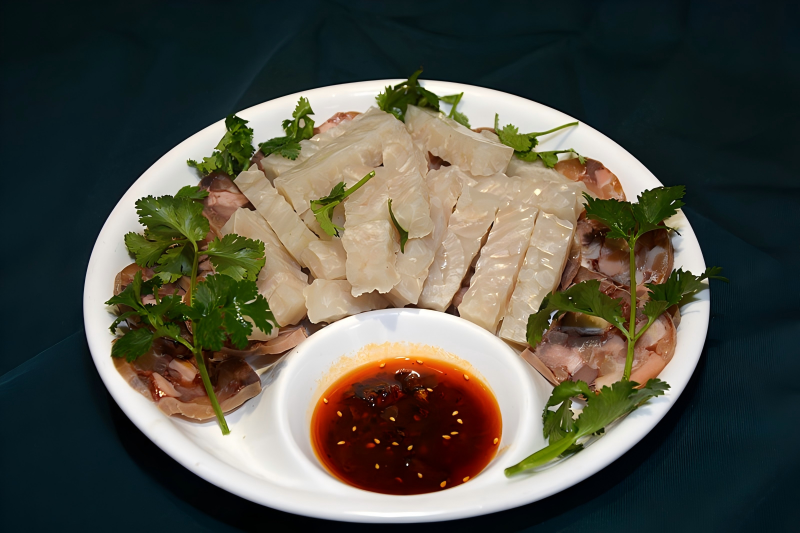
· Supreme Tofu
A Kong Family Cuisine masterpiece. Silken tofu is elevated through meticulous preparation into a dish of extraordinary refinement — white as snow, smooth as jade, rich yet light. It embodies the Confucian ideal of finding magnificence in simplicity.
────────────
The Philosophy of Lu Cuisine
━━━━━━━━
· Harmony of Five Flavors
Every great Lu dish achieves balance among sweet, sour, salty, bitter, and umami. The goal is not to highlight one flavor but to create a symphony where each note enhances the others. This is the culinary expression of the Confucian Doctrine of the Mean.
· Food as Medicine
Rooted in traditional Chinese medicine, Lu Cuisine selects ingredients not only for taste but for their nourishing properties. Warming ingredients for cold seasons, cooling elements for summer heat — every meal is an act of maintaining the body's harmony with nature.
· Seasonal Eating
Lu Cuisine follows the rhythm of nature. Spring bamboo shoots, summer lotus root, autumn crabs, winter lamb — the menu changes with the seasons. This philosophy ensures both peak flavor and nutritional harmony.
· Dining as Ritual
From the elaborate seating arrangements of Kong Family Banquets to the generous sharing traditions of Shandong households, meals are sacred social occasions. In Lu Cuisine culture, food is an expression of respect, hospitality, and human connection.
Bring out the flavor in what has it; infuse flavor into what lacks it. This guiding principle of Lu Cuisine captures its deepest wisdom — the master chef does not impose upon ingredients but collaborates with them, drawing forth their essence and complementing their nature.
Taste the Real Shandong

Let us take you on a culinary journey through Shandong's most extraordinary flavors — from imperial banquet halls to hidden street food alleys, from the peaks of Mount Tai to the shores of the Bohai Sea.
━━━━━━━━
ORIENTAL SURPRISES TRAVEL
Authentic · Simple · Positive · Humble
 Contact us :



WeChat

WhatsApp
Copyright ©2026-2031 Terms of Service Privacy Policy Return Terms Travel agency qualification number