
Oriental Cuisine Current location:HomeOriental Cuisine
 Time: 2024/6/11
 Hit: 521897
Fujian Cuisine
Min Cuisine Special
----------------------------------------
A Culinary Journey Through the Soul of Min
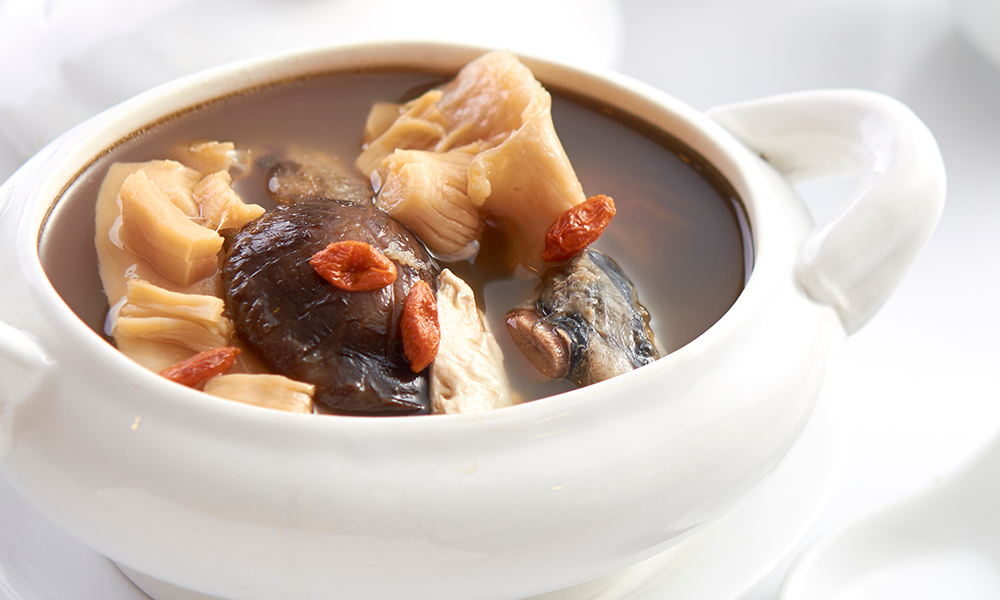
Discover the refined elegance of coastal China's most sophisticated cuisine
----------------------------------------
Fujian cuisine, also known as Min cuisine, is one of China's eight great culinary traditions, originating from the southeastern coastal province of Fujian. With over 2,000 years of history, this distinguished cuisine reflects the province's unique geography - a land where misty mountains meet the boundless sea.
The culinary traditions of Fujian began flourishing after the Southern Song Dynasty (1127-1279), when large numbers of scholars and officials migrated south, bringing sophisticated cooking techniques from the Chinese heartland. During the mid-Qing Dynasty, Fujian cuisine gained national prominence through the efforts of famous officials and literati who promoted its refined flavors.
The cuisine developed its distinctive character through the province's maritime trade connections. As Fujian's ports - particularly Fuzhou and Quanzhou - became vital hubs on the Maritime Silk Road, they welcomed merchants, spices, and culinary influences from Southeast Asia, Arabia, and beyond.
Historical Timeline
>> Two Millennia Ago: Early Fujian culinary traditions emerge from the coastal fishing communities
>> Southern Song Dynasty: Northern scholars bring court cuisine techniques to Fujian
>> Ming-Qing Period: Fujian cuisine develops its signature red yeast rice and broth traditions
>> 19th Century: Chef Zheng Chunfa creates Buddha Jumps Over the Wall in Fuzhou
>> Modern Era: Fujian cuisine influences Taiwan and Southeast Asian diaspora communities
----------------------------------------
Fujian cuisine is distinguished by seven defining characteristics that set it apart from other Chinese regional cuisines:
[] Soup-Centric Philosophy
Known as the 'Kingdom of Broth,' Fujian cuisine elevates soup to the centerpiece of the meal. The philosophy of 'yi tang shi bian' (one broth, ten transformations) reflects how a single, carefully crafted stock forms the foundation of countless delicacies.
[] Seafood Excellence
With 167 varieties of fish and 90 kinds of shellfish from its coastline, Fujian chefs are masters of preparing ocean delicacies. Freshness is paramount - simple steaming or quick-boiling preserves the natural sweetness of the sea.
[] Sweet & Sour Balance
Fujian cuisine masterfully balances sweetness and acidity, using sugar to remove gaminess and vinegar to brighten flavors. The result is dishes that are flavorful yet never overwhelming.
[] Red Yeast Rice Magic
Hongqu (red yeast rice) is the signature ingredient that gives Fujian cuisine its characteristic ruby color. This fermented rice adds not only visual appeal but also a distinctive aromatic sweetness to braised dishes.
[] Precision Knife Work
Fujian chefs are renowned for their meticulous slicing techniques, achieving cuts described as 'thin as paper' and 'slim as hairs.' This precision ensures optimal texture and flavor release in every dish.
[] Medicinal Ingredients
Traditional Chinese medicinal herbs and ingredients are often incorporated into Fujian dishes, reflecting the belief that food is medicine and nourishment for body and spirit.
[] Umami Richness
The pursuit of layered umami defines Fujian cooking. Through slow-simmered broths, fermented ingredients, and preserved seafoods, Fujian cuisine achieves depth of flavor that lingers on the palate.
----------------------------------------
Fujian cuisine comprises three distinct regional branches, each reflecting local geography, ingredients, and culinary preferences:
Fuzhou Style (Min Dong)
The predominant style of Fujian cuisine, originating from the provincial capital. Fuzhou cuisine is characterized by its light, fresh, and delicate flavors. It excels in soup-making, with the famous 'yi tang shi bian' philosophy. Red yeast rice is used to impart beautiful color and aroma.
Southern Fujian Style (Min Nan)
Centered around the cultural triangle of Xiamen, Quanzhou, and Zhangzhou, Southern Fujian cuisine reflects the region's maritime trade heritage. Influenced by contact with Southeast Asia, it features sweeter flavors and more liberal use of spices. Signature preparations include satay sauce, sweet chili, and citrus-based marinades.
Western Fujian Style (Min Xi)
Influenced by Hakka traditions, Western Fujian cuisine draws heavily from the mountainous interior. Known for its use of wild game, bamboo shoots, and forest mushrooms, this style favors richer, saltier, and spicier dishes.
----------------------------------------
These legendary dishes represent the pinnacle of Fujian culinary artistry, each embodying centuries of refined technique and flavor mastery.

Buddha Jumps Over the Wall
Fo Tiao Qiang
The crown jewel of Fujian cuisine, this legendary dish was created by Chef Zheng Chunfa in Fuzhou during the Qing Dynasty. A symphony of premium ingredients - abalone, sea cucumber, dried scallops, fish maw, mushrooms, chicken, and pork - is slow-simmered in Shaoxing wine for hours until flavors meld into an intoxicating broth. The aroma is said to be so enticing that even a monk would abandon his vegetarian vows and leap over a temple wall to taste it.
Luxurious | Aromatic | Complex | Traditional
----------------------------------------
Oyster Omelette
Hai Li Jian
A beloved coastal specialty found throughout Fujian, this dish features plump oysters from the province's pristine waters. Fresh oysters are mixed with sweet potato starch and eggs, then pan-fried until achieving a crispy exterior with a soft, juicy center. Served with a tangy-sweet sauce, the oyster omelette captures the essence of seaside comfort food - simple yet sublime.
Crispy | Tangy | Comforting | Seaside
----------------------------------------
Lychee Pork
Li Zhi Rou
Named for its resemblance to the lychee fruit, this iconic dish features pork loin cut in a crosshatched pattern - two-thirds deep - to create the characteristic lychee-like curls when fried. The meat is lightly coated with starch and finished in a sweet-and-sour glaze. Beyond its visual appeal, the dish reflects practical wisdom: the sweet-and-sour flavor helps settle the stomach during journeys through Fujian's winding waterways.
Sweet & Sour | Artistic | Crispy | Historical
----------------------------------------
Fuzhou Fish Balls
Fu Zhou Yu Wan
These delicate orbs represent the soul of Fuzhou comfort food. Made from fresh fish paste - typically pomfret or hairtail - beaten until smooth and elastic, each ball is hand-formed around a savory pork filling. Served in a clear, subtly sweet broth, the fish balls showcase the mastery of 'light yet flavorful' that defines Min cuisine. Their springy texture and savory centers make every bite a delight.
Springy | Savory | Comforting | Traditional
----------------------------------------
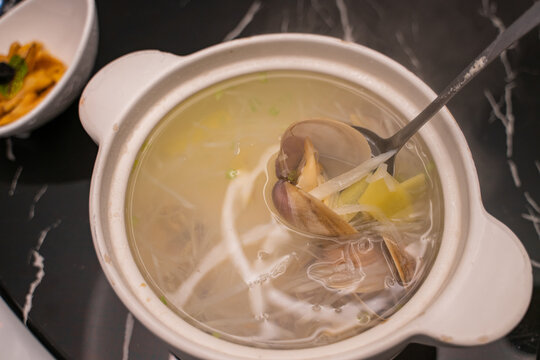
Sea Clam Stew
Ge Li Dun Tang
Also known as 'Chicken Broth with Sea Clams,' this elegant soup demonstrates Fujian cooking's reverence for purity and freshness. Fresh sea clams are simmered in a delicate chicken broth until their briny sweetness infuses the liquid. The result is a clear, nourishing soup that embodies the philosophy of preserving natural flavors - the essence of the sea meeting the richness of slow-simmered poultry.
Clear | Nourishing | Delicate | Seafood
----------------------------------------
Red Wine Chicken
Hong Zao Ji
A showcase of Fujian's signature red yeast rice (hongqu) technique, this dish features chicken braised with fermented red rice wine lees. The hongqu imparts a beautiful ruby color and a distinctive aromatic, slightly sweet flavor. The chicken becomes incredibly tender, absorbing the essence of the fermentation. This dish exemplifies the 'red cooking' tradition that distinguishes Min cuisine from other Chinese regional styles.
Aromatic | Tender | Rustic | Traditional
----------------------------------------
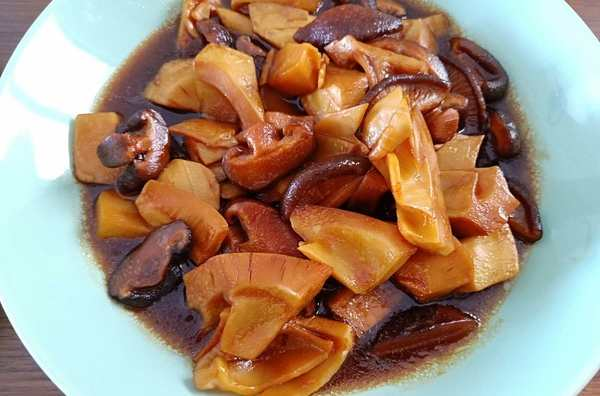
Stir-fried Mushroom & Bamboo
Xiang Gu Chao Sun
From the mountainous regions of Fujian comes this celebration of forest flavors. Fresh bamboo shoots - harvested in spring when they're at their most tender - are paired with premium dried shiitake mushrooms. Quick stir-frying at high heat preserves the crunchiness of the bamboo while allowing the mushrooms to release their deep, umami-rich aroma. A touch of Shaoxing wine and soy sauce rounds out this elegant vegetable dish.
Crispy | Earthy | Fresh | Mountain
----------------------------------------
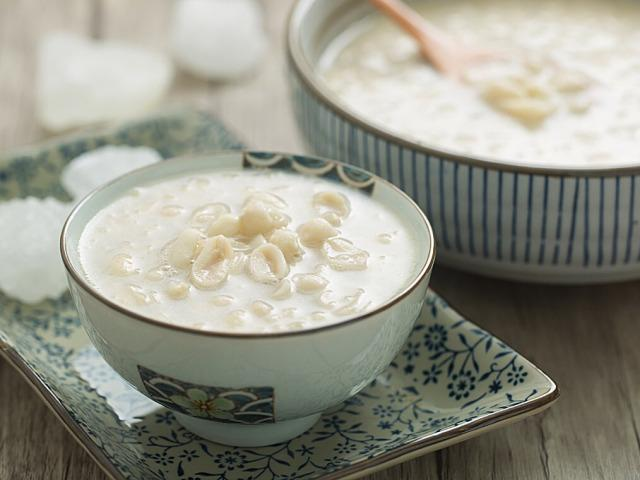
Peanut Soup
Hua Sheng Tang
This beloved Fujian dessert showcases the province's talent for transforming simple ingredients into something extraordinary. Peanuts are slow-simmered in sweet soup until perfectly soft and creamy. Often served with candied lotus seeds or tangyuan (glutinous rice balls), this comforting dessert is a staple at celebrations and family gatherings. The soup's silky texture and subtle sweetness provide a perfect ending to any Fujian feast.
Sweet | Silky | Comforting | Dessert
----------------------------------------
----------------------------------------
Fujian cuisine employs a repertoire of sophisticated cooking techniques developed over centuries, each designed to preserve ingredient integrity while achieving layered flavors:
Steaming (Zheng)
Used primarily for seafood and delicate preparations, steaming preserves the natural flavors and textures of ingredients. The famous 'qingzheng' (light steaming) technique, where ingredients are steamed over rice water, adds a subtle fragrance to dishes like steamed fish.
Stewing/Simmering (Dun/Wei)
The soul of Fujian cooking. Long, slow simmering over gentle heat extracts maximum flavor from ingredients. Stocks may be simmered for hours, creating the rich, translucent broths that form the foundation of many dishes. The Buddha Jumps Over the Wall exemplifies this patient approach.
Braising (Hong Shao)
Red-braising with soy sauce and often red yeast rice creates Fujian's signature deep-colored, aromatic dishes. The technique combines the browning of Maillard reactions with slow cooking, resulting in tender meats glazed in glossy, flavorful sauce.
Quick-Frying (Bao Chao)
High-heat, rapid cooking for seafood ensures textures remain crisp and flavors bright. Precise timing is essential - the wok must be extremely hot, and cooking times are measured in seconds. This technique showcases the chef's mastery of heat control.
Red Yeast Cooking (Hong Zao)
Unique to Fujian cuisine, this technique uses red yeast rice (hongqu) as both coloring and flavoring agent. Red yeast rice adds a distinctive ruby hue and aromatic sweetness to braised meats and seafoods, creating dishes that are visually stunning and uniquely flavored.
----------------------------------------
Beyond the signature dishes, Fujian cuisine offers a treasure trove of regional specialties:
----------------------------------------
More than just a collection of recipes, Fujian cuisine embodies a philosophy of eating that reflects the province's cultural values and relationship with nature:
Harmony Between Heaven and Earth
Fujian cooking celebrates the marriage of mountain and sea, weaving together ingredients from forests and fishing boats into dishes that honor both landscapes. The cuisine reminds diners that nourishment comes from respecting and balancing all elements of the natural world.
Patience as Ingredient
Time is considered an essential ingredient in Fujian cooking. Broths simmer for hours, dried ingredients are soaked for days, and flavors develop slowly. This patience reflects a deeper wisdom - that the most profound flavors cannot be rushed.
Tongue Before Eye
While Fujian dishes are visually beautiful, presentation serves flavor rather than dominating it. The philosophy holds that a dish should please the palate first, then the eye. Visual elements are chosen to enhance, not overshadow, the eating experience.
Soup as Soul
In Fujian culture, soup is not merely an accompaniment but the heart of the meal. Family gatherings and celebrations are structured around shared soup pots, where stories are stirred into broth and bonds are strengthened over steaming bowls.
Wei Sheng Zhi Mei
The pursuit of 'delicate Sheng Mei' (umami essence) guides every cooking decision. Rather than masking ingredients with heavy seasonings, Fujian chefs work to reveal and amplify the natural essence of each component, creating dishes that taste intensely of themselves.
Experience Fujian Cuisine
----------------------------------------
with Oriental Surprises Travel
 Contact us :



WeChat

WhatsApp
Copyright ©2026-2031 Terms of Service Privacy Policy Return Terms Travel agency qualification number