
Oriental Cuisine Current location:HomeOriental Cuisine
 Time: 2025/4/26
 Hit: 102639
ORIENTAL SURPRISES TRAVEL
JIANGSU CUISINE
Su Cuisine
════════════════════════════════════════
The Exquisite Art of Jiangnan's Culinary Heritage
A Premium Culinary Journey Through Eastern China
──────────────────────────────────────────────────
──────────────────────────────────────────────────
Jiangsu cuisine, known as Su Cuisine (苏菜), stands as one of China's Eight Great Culinary Traditions. Its roots trace back over 2,500 years to the Spring and Autumn period (771–476 BC), flourishing magnificently during the Tang (618–907 AD) and Song (960–1279 AD) dynasties alongside the region's economic prosperity.
Situated along the lower reaches of the Yangtze River and the Grand Canal, Jiangsu Province is blessed with an intricate network of waterways, fertile lands, and access to the East China Sea. This geographical wealth earned Jiangsu the cherished title — "Land of Fish and Rice" (鱼米之乡), a name that speaks to centuries of agricultural abundance and culinary creativity.
During the Ming and Qing dynasties, Jiangsu cuisine ascended to imperial banquet status, prized by scholars, merchants, and the court alike. The Huaiyang school, in particular, was regarded as 'State Cuisine' (国菜), embodying the refined tastes and elegant aesthetics of Jiangnan culture. Today, Jiangsu cuisine continues to captivate diners worldwide with its extraordinary balance of flavor, texture, and visual artistry.
Spring & Autumn Period 771–476 BC Origins of Su Cuisine culinary culture | Tang & Song Dynasties 618–1279 AD Economic boom; Su Cuisine becomes pillar of Southern food | Ming & Qing Dynasties 1368–1912 AD Imperial banquet status; peak of artistry & refinement |
──────────────────────────────────────────────────
?? Exquisite Knife Work
Jiangsu chefs train for years to master cutting techniques that transform ordinary ingredients into works of art — from silken tofu shredded finer than hair to fish carved into living sculptures.
?? Broth as Art
Stocks simmered for 8+ hours from free-range chicken and Jinhua ham bones form the soulful foundation of over 70% of Su dishes, creating layers of umami depth.
?? Freshwater & Seafood
Rivers, lakes, and the East China Sea provide an unparalleled bounty: mandarin fish, river eel, hairy crab, shrimp, and shellfish — all central to Jiangsu tables.
?? Subtle Sweetness
A signature touch of sweetness from rock sugar harmonizes savory and delicate flavors, never overpowering but elevating every dish to elegant balance.
?? Elegant Presentation
Dishes are composed like paintings — color, shape, and negative space all considered. Watermelon-carved lanterns and chrysanthemum tofu blooms showcase this artistry.
?? Seasonal Ingredients
Menus shift with the seasons: bamboo shoots in spring, hairy crabs in autumn, light seafood in summer, and hearty braises in winter.
?? Balanced & Refined
Fresh yet not bland, rich yet not greasy. Su cuisine whispers where others shout — subtlety is the ultimate sophistication.
──────────────────────────────────────────────────
──────────────────────────────
?? Huaiyang Cuisine 淮扬菜
?? Yangzhou & Huaian
The crown jewel of Su cuisine. Huaiyang cuisine balances the delicate freshness of southern dishes with the savory richness of northern traditions. Known for its masterful knife work and refined broths, it is often served at state banquets. Signature dishes include Squirrel-Shaped Mandarin Fish and Crystal Shredded Tofu.
──────────────────────────────
?? Jinling Cuisine 金陵菜
?? Nanjing (Jinling)
Nanjing's culinary tradition draws from its imperial capital heritage. Jinling cuisine excels in roasting, braising, and simmering techniques. The city is famous for its duck dishes — from Nanjing Salted Duck to Jinling Roast Duck — as well as its legendary street food culture along the Qinhuai River.
──────────────────────────────
?? Suxi Cuisine 苏锡菜
?? Suzhou & Wuxi
The sweeter branch of Su cuisine, reflecting the prosperous Jiangnan water towns. Suzhou cuisine is known for its "slightly sweet" profile and intricate presentations. Wuxi cuisine pushes this further with its love of sugar — Wuxi Spare Ribs are a perfect example of this indulgence.
──────────────────────────────
?? Xuhai Cuisine 徐海菜
?? Xuzhou & Lianyungang
The boldest and heartiest of Su cuisine's four branches. Xuhai cuisine shows strong Shandong influence with stronger seasoning, deeper colors, and more robust flavors. Garlic and chili appear more prominently, reflecting the region's northern character.
──────────────────────────────────────────────────
Each dish in Jiangsu cuisine tells a story of skill, tradition, and regional identity. Below are the crown jewels of Su cuisine that every traveler should experience.

──────────────────────────────────────────────────
Squirrel-Shaped Mandarin Fish 松鼠鳜鱼
?? Huaiyang / Suzhou Cuisine
A masterpiece of Jiangsu culinary art. A whole mandarin fish is meticulously deboned, scored with 108 precise cuts, deep-fried until it fans out like a squirrel's tail, then glazed with a sweet-and-sour sauce of Zhenjiang vinegar, soy, and tomato. Crisp exterior, tender flesh, and theatrical presentation make it the centerpiece of banquets and celebrations.
#Crispy | #Sweet & Sour | #Intricate Knife Work | #Festive | #Signature

──────────────────────────────────────────────────
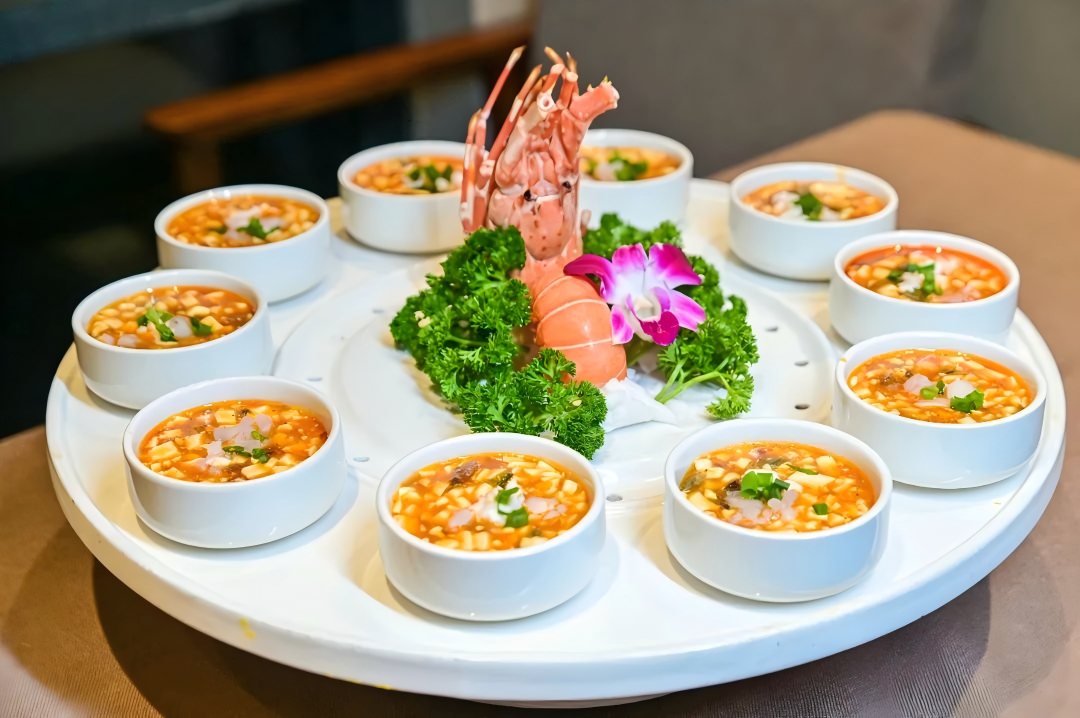
Lion's Head Meatballs 清炖蟹粉狮子头
?? Huaiyang Cuisine · Yangzhou
These oversized, pillow-soft pork meatballs — named for their majestic lion-like appearance — are braised gently in a clear, golden broth with cabbage until they achieve a trembling, cloud-like texture. Some versions incorporate crab roe for an even more luxurious depth. They represent the Jiangsu philosophy: transforming humble ingredients into sublime elegance.
#Tender | #Braised | #Comfort Food | #Crab Roe | #Heritage
──────────────────────────────────────────────────
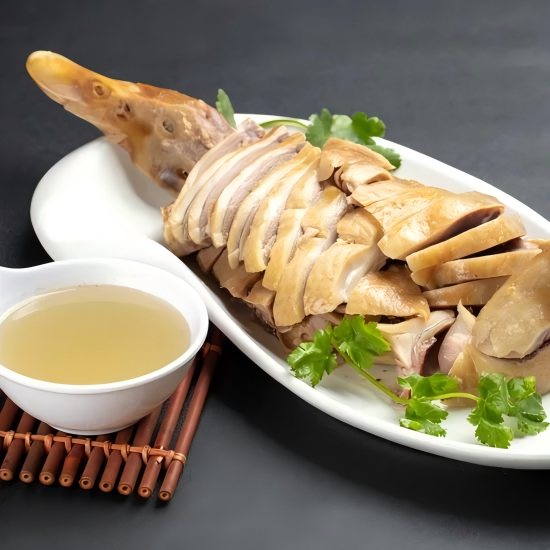
Nanjing Salted Duck 金陵盐水鸭
?? Jinling Cuisine · Nanjing
With over 2,500 years of history, Nanjing Salted Duck is a cold-cut masterpiece. Cured with a precise blend of salt and spices, the duck is then gently cooked to achieve skin that glimmers like polished jade and meat of extraordinary tenderness. Served sliced thin, it is the taste of Nanjing itself — refined, aromatic, and deeply satisfying.
#Cured | #Aromatic | #Cold Appetizer | #Heritage | #Delicate

──────────────────────────────────────────────────
Yangzhou Fried Rice 扬州炒饭
?? Huaiyang Cuisine · Yangzhou
Far more than a simple fried rice, Yangzhou Fried Rice is a showcase of technique and ingredient harmony. Each grain of premium jasmine rice is perfectly separated and coated with egg, tossed with ham, shrimp, vegetables, and bamboo shoots at high heat. The result is a dish of vibrant colors, varied textures, and balanced savory flavor that has become an ambassador of Chinese cuisine worldwide.
#Aromatic | #Colorful | #Seafood | #Classic | #Versatile

──────────────────────────────────────────────────
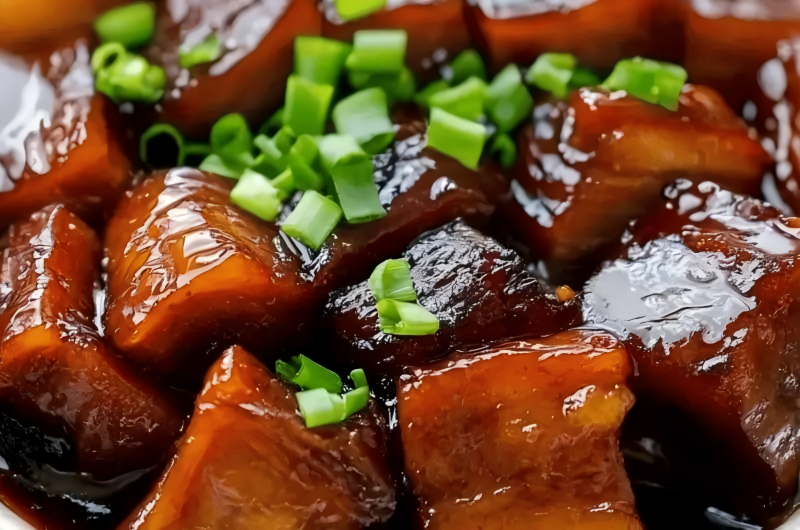
Wuxi Spare Ribs 无锡排骨
?? Suxi Cuisine · Wuxi
Wuxi's love affair with sugar reaches its peak in these legendary spare ribs. Pork ribs are slow-braised in a glaze of dark soy sauce, Shaoxing wine, and generous amounts of rock sugar until they achieve a deep mahogany gloss. The balance of sweet, savory, and sticky caramelization is addictive. Legend has it that chefs perfected the dish to impress visiting emperors on the Grand Canal.
#Sweet & Savory | #Slow-Braised | #Glazed | #Iconic | #Indulgent
──────────────────────────────────────────────────
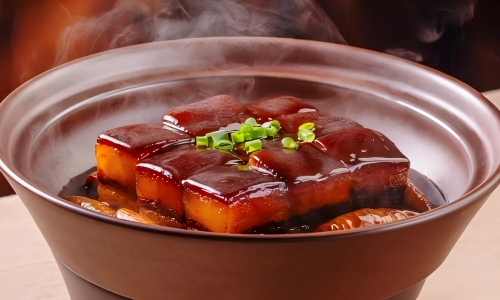
Braised Pork Belly 红烧肉
?? Su Cuisine · All Regions
The soul of Jiangsu comfort food. Cubes of pork belly are slow-braised for hours in soy sauce, sugar, and Shaoxing wine until they reach a state of melt-on-the-tongue tenderness. The glaze is glossy, the fat impossibly tender, and the flavor deeply savory with a whisper of sweetness. Every Jiangsu family has their own recipe, passed down through generations.
#Slow-Braised | #Soy-Glazed | #Comfort | #Family Style | #Rich
──────────────────────────────────────────────────
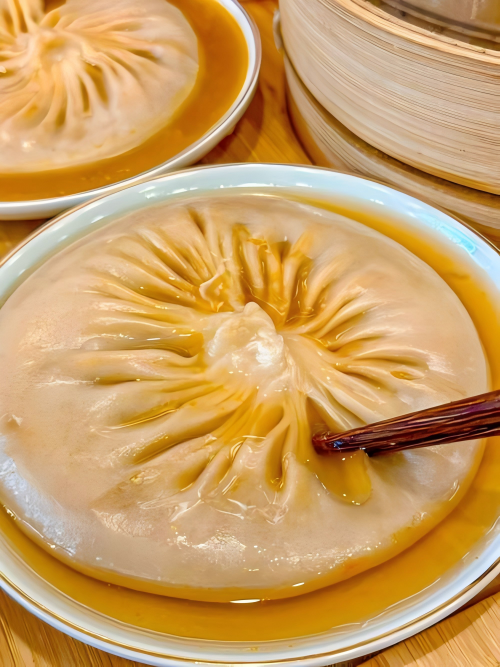
Crab Roe Soup Dumplings 蟹粉汤包
?? Huaiyang / Suxi Cuisine
A seasonal treasure (October to December), these ethereal dumplings feature paper-thin skins that delicately encase a burst of hot, creamy crab roe broth. At top Suzhou restaurants like Songhelou, diners learn the ritual: 'First kiss the dumpling, then drink the ocean.' The experience of piercing the skin and savoring the rich, briny broth is pure Jiangsu magic.
#Seasonal | #Crab Roe | #Delicate | #Hot Broth | #Luxurious
──────────────────────────────────────────────────
Crystal Meat 水晶肴蹄
?? Huaiyang Cuisine · Zhenjiang
A refined cold cut from Zhenjiang, Crystal Meat features pork hock cured in a complex spice blend, then slowly cooked until the collagen renders into a translucent, jewel-like gelatin. Sliced paper-thin, it glistens like amber crystal and dissolves on the tongue with a delicate saltiness and aromatic depth. Zhenjiang vinegar is the essential companion.
#Cured | #Crystal | #Cold Cut | #Aromatic Spices | #Refined
──────────────────────────────────────────────────
The mastery of Jiangsu cuisine lies in its cooking techniques — each method developed over centuries to bring out the best in the region's exceptional ingredients.
◆ Braising (红烧) [hong shao]
The foundational technique of Su cuisine. Ingredients are slowly cooked in a flavorful sauce of soy sauce, sugar, and Shaoxing wine at low heat. The result is dishes with deep color, rich flavor, and meat that falls tender while retaining its shape. Used for Lion's Head Meatballs, Braised Pork Belly, and Wuxi Spare Ribs.
◆ Steaming (清蒸) [qing zheng]
The purest expression of Jiangsu's love for freshness. Delicate fish, dumplings, and seasonal vegetables are steamed over high heat with ginger and scallions, preserving natural flavors, textures, and nutrients. Steamed Mandarin Fish is the quintessential example of this gentle, healthy technique.
◆ Stewing / Simmering (炖/煨) [dun / wei]
Slow, gentle cooking in rich broths that can simmer for hours. The Wensi Tofu (18,000 strands of silk tofu in broth) demonstrates the extreme delicacy possible with this method. Clear soups and nourishing stews are winter staples across Jiangsu.
◆ Stir-Frying (炒) [chao]
High-heat, quick-cook technique requiring precise timing and wok mastery. Used for Yangzhou Fried Rice and delicate vegetable dishes. The 'breath of the wok' (锅气) — that intangible smoky aroma — is the mark of a skilled Jiangsu chef.
◆ Roasting / Grilling (烤) [kao]
Especially prominent in Jinling cuisine. Nanjing Roast Duck and the legendary Jinling spit-roasted meats achieve crispy skin and succulent interior through carefully controlled heat, a technique refined over centuries in imperial Nanjing.
──────────────────────────────────────────────────
? Beggar's Chicken (叫化鸡)
A whole chicken stuffed with mushrooms, chestnuts, and aromatic herbs, wrapped in lotus leaves and encased in clay, then slow-baked until the meat is impossibly tender and infused with earthy fragrance. A theatrical dish with a legend as rich as its flavor.
? Wensi Tofu (文思豆腐)
A bowl of clear broth containing silken tofu cut into over 18,000 hair-thin strands — a breathtaking demonstration of knife mastery that transforms tofu into a floating chrysanthemum of delicate threads.
? Three-Nested Duck (三套鸭)
A culinary engineering marvel: a duck stuffed with a goose stuffed with a quail. Each layer imparts its essence to the others during a long, slow braise, creating layers of rich, complex flavor.
? Crystal Salted Pork Hock (水晶肴蹄)
From Zhenjiang, this translucent cold cut dazzles the eye with its amber-like gelatin and delights the palate with a subtle, aromatic saltiness. Served with Zhenjiang vinegar, it is a sophisticated appetizer.
? Yangcheng Lake Hairy Crab (阳澄湖大闸蟹)
The crown jewel of Jiangsu autumn. These prized mitten crabs are steamed and served with aged ginger-infused vinegar. The rich, buttery crab roe is considered one of China's most luxurious delicacies.
──────────────────────────────────────────────────
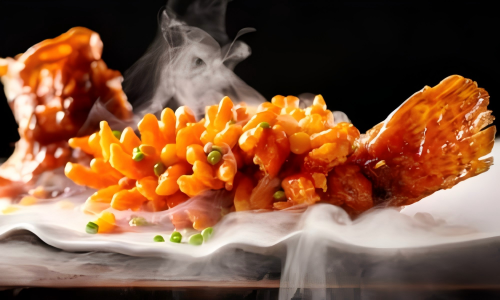
Squirrel-Shaped Mandarin Fish
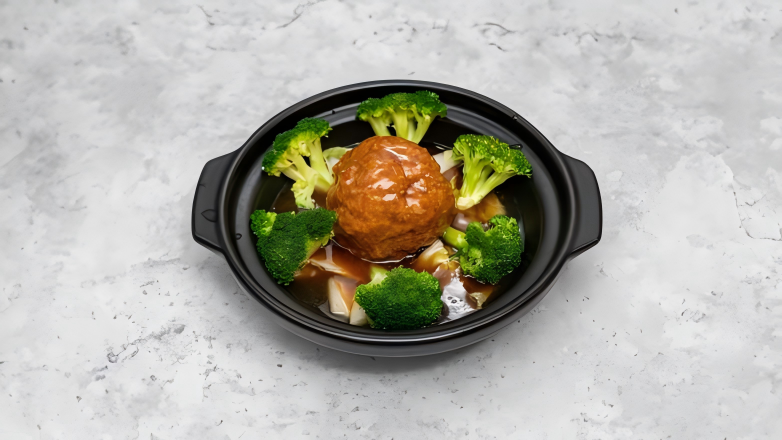
Lion's Head Meatball

Braised Lion's Head
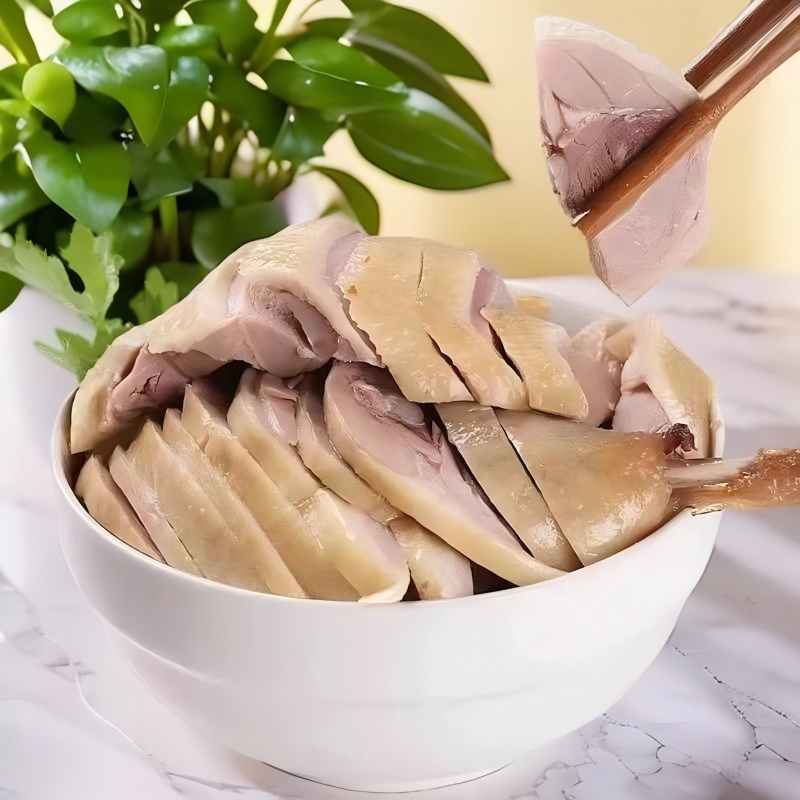
Nanjing Salted Duck
──────────────────────────────────────────────────
Jiangsu cuisine embodies a profound philosophy that goes far beyond the plate. It reflects the Jiangnan belief that the highest form of culinary art lies not in boldness but in restraint — the art of coaxing extraordinary flavor from the finest seasonal ingredients through precision, care, and respect.
The ancient principle of 'xu er shi zhi' (虚而实之) — refined yet substantial — guides every Jiangsu chef. Dishes are designed to nourish both body and soul, balancing the physical need for sustenance with the spiritual desire for beauty and meaning.
Seasonality is sacred in Jiangsu culture. Autumn brings the prized Yangcheng Lake hairy crab; spring offers tender bamboo shoots and wild herbs; summer calls for cooling dishes like chilled lotus root salad; and winter invites the warmth of slow-braised meats and nourishing clear broths.
The scholarly aesthetic of Jiangsu cuisine — its emphasis on elegant presentation, subtle flavors, and harmonious balance — mirrors the refined culture of Jiangnan: poetry, silk, gardens, and canals. To eat Su cuisine is to experience the soul of Eastern China.
──────────────────────────────────────────────────
"Jiangsu cuisine whispers where others shout — subtlety is the ultimate sophistication."
 Contact us :



WeChat

WhatsApp
Copyright ©2026-2031 Terms of Service Privacy Policy Return Terms Travel agency qualification number