
China DMC Current location:HomeChina DMC
 Time: 2022/5/29
 Hit: 315734
Oriental Surprises Travel
CHENGDU
DESTINATION GUIDE
────────────────────────────────────────
"Land of Abundance — Where Ancient Wisdom Meets Modern Charm"
────────────────────────────────────────
Panda Base | Wuhou Temple | Kuanzhai Alley | Dujiangyan | Sichuan Cuisine
────────────────────────────────────────
Chengdu — The Heart of Western China
Known as the 'Land of Abundance' (Tianfu), Chengdu is the capital of Sichuan Province and one of China's most captivating cities. With over 3,000 years of history, this ancient metropolis effortlessly blends world heritage sites, adorable giant pandas, fiery Sichuan cuisine, and an irresistibly relaxed lifestyle. Chengdu is also designated as a UNESCO City of Gastronomy — the first city in Asia to receive this honor.
Chengdu's unique character lies in its 'móguā' (slow-living) culture — a city where locals would rather sip tea than rush, where mahjong games spill from teahouses onto tree-lined streets, and where face-changing opera performers leave audiences breathless. It is at once a giant panda conservation hub, a Three Kingdoms history hotspot, and a modern metropolis with a soul.
Giant Panda Hometown Home to over 200 giant pandas at the world-renowned Chengdu Research Base — the most effective panda conservation center on the planet. | UNESCO City of Gastronomy Sichuan cuisine, born here, is one of China's Eight Great Cuisines, famous for its signature málà (numbing-spicy) flavor profile. | 3,000 Years of History From the ancient Shu Kingdom to modern megacity, Chengdu preserves imperial gardens, Taoist temples, and Three Kingdoms legends. |
────────────────────────────────────────
Chengdu packs extraordinary diversity into its urban landscape — from giant pandas and imperial gardens to UNESCO engineering marvels and lantern-lit ancient streets.
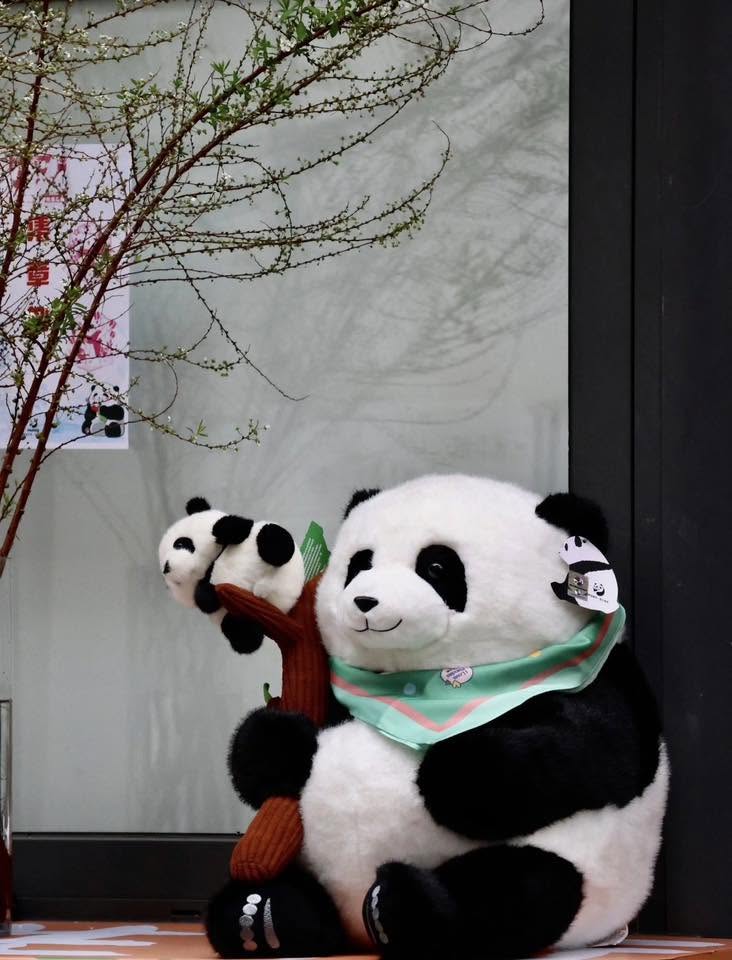
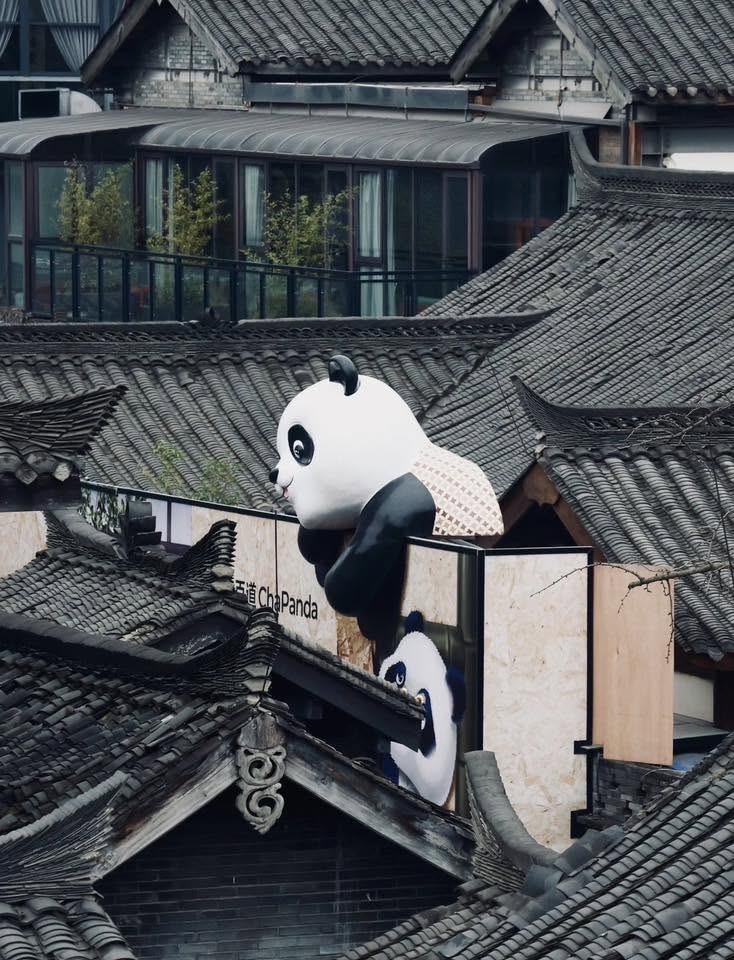
Address: No. 1375, Panda Avenue, Chenghua District | Hours: 07:30–17:00 |
As the world's premier giant panda conservation and research center, the Chengdu Panda Base is home to more than 200 pandas of all ages — from newborn cubs at the Sunshine Nursery to fully grown adults munching bamboo in naturalistic forest enclosures. The base also shelters red pandas, golden cats, and black swans. Pandas are most active between 7:30–10:30 AM, so early arrival is essential. A highlight is the Moon Delivery Room, where younger pandas and red pandas are displayed.
★ Tip: Enter via the South Gate for fewer crowds and closer access to baby panda areas.
────────────────────────────────────────
Address: No. 231, Wuhouci Avenue, Wuhou District | Hours: 08:30–18:00 |
Built in 223 AD to commemorate Liu Bei, king of Shu State, and his legendary chancellor Zhuge Liang (Wuhou), this temple complex is China's only site dedicated to both a monarch and his subject. The winding corridors lined with dark red walls and bamboo groves make for stunning photography, especially in dappled morning sunlight. The adjacent Jinli Ancient Street is perfect for a combined afternoon-evening visit.
★ Tip: Look for the exquisite stone inscriptions and calligraphy plaques from famous ancient calligraphers throughout the temple.
────────────────────────────────────────
Address: Kuanzhai Xiangzi, Qingyang District | Hours: Open 24/7; shops 10 AM–10 PM |
The three parallel Qing Dynasty alleys — Wide Alley (Kuan), Narrow Alley (Zhai), and Well Alley (Jing) — are the finest surviving example of northern-style hutong culture in western China. Originally a military garrison for the Qing Bannermen in 1718, today Kuanzhai is Chengdu's 'urban living room,' brimming with teahouses, traditional opera courtyards, boutique inns, and street snacks like San Da Pao (sweet glutinous rice balls) and spiced rabbit head. Visit at dusk when red lanterns glow against grey brick walls.
★ Tip: Well Alley (Jing) is the best spot for authentic local snacks. Ear cleaning by sidewalk masters is a uniquely Chengdu experience.
────────────────────────────────────────
Address: Adjacent to Wuhou Shrine, Wuhou District | Hours: Open all day |
Dating back to the Three Kingdoms period (220–280 AD), Jinli Ancient Street is one of the oldest commercial streets in China. Today it vibrates with lantern-lit energy, traditional folk performances, and some of Chengdu's best street food. The architecture — Ming and Qing dynasty style — provides a stunning backdrop for evening photography. Look out for shadow puppetry shows, face-changing opera snippets, and the famous (sugar painting) craftsmen.
★ Tip: Go between 7–9 PM for the most magical lantern-lit atmosphere.
────────────────────────────────────────
Location: Dujiangyan City, 50 km from Chengdu | Hours: 08:00–18:00 |
A UNESCO World Heritage Site, the Dujiangyan Irrigation System was built in 256 BCE by engineer Li Bing and remains the world's oldest functioning no-dam water system. Its three core components — the Fish Mouth Levee (Yuzui), Flying Sand Weir (Feishayan), and Bottle-Neck Channel (Baopingkou) — work in harmony to control the Min River, protecting the Chengdu Plain from floods while irrigating over 1.88 million acres of farmland. The adjacent Erwang Temple and the thrilling Anlan Suspension Bridge are must-sees.
★ Tip: The best time to visit is April–October. Combine with a trip to nearby Bifengxia Panda Base.
────────────────────────────────────────
Address: No. 37, Qinghua Road, Qingyang District | Hours: 09:00–18:00 |
One of Chengdu's most serene and culturally significant sites, Du Fu Thatched Cottage was the former residence of Du Fu (712–770 AD), China's 'Sage of Poetry.' During the Anshi Rebellion, Du Fu fled Chang'an and spent nearly four years here, composing over 240 poems, including his masterpiece 'Spring Scenery in the Capital.' The site has been lovingly preserved and expanded into a classical Chinese garden, with tranquil ponds, bamboo groves, and elegant pavilions that transport visitors to the poet's quiet retreat.
★ Tip: Combine with Huanhuaxi Park and the nearby Sichuan Museum (free entry).
────────────────────────────────────────
Location: Dujiangyan City, 60 km from Chengdu | Hours: 08:00–17:00 |
Qingcheng Mountain is one of China's Four Sacred Taoist Mountains, known as 'Qingcheng Shantianyou' — the most secluded of China's sacred peaks. The front mountain features Taoist temples connected by ancient stone stairways winding through misty forests, while the back mountain offers deeper hiking trails and fewer crowds. Qingcheng's Taoist temples, like Jianchi and Tianshi, have been centers of Taoist practice for over 1,800 years.
★ Tip: The front mountain can be explored in 3–4 hours. Wear comfortable shoes for the stone steps.
────────────────────────────────────────
Address: People's Park, Qingcheng Boulevard, Qingyang District | Hours: 06:00–22:00 | Entry: Free
People's Park is the authentic soul of Chengdu's slow-living culture. Locals gather here daily to sip gaiwan tea (covered-bowl tea) at bamboo-chair teahouses, play mahjong, practice tai chi, and enjoy the lotus pond gardens. The Heming Tea House, established in 1911, is the most iconic — order a pot of jasmine or Maofeng tea, sit back in a bamboo chair, and watch Chengdu life unfold. The park also features the historic , a monument to the 1911 Railway Protection Movement.
★ Tip: Order tea in the 'matchmaking corner' area for people-watching gold. A pot of tea costs CNY 18–50.
────────────────────────────────────────
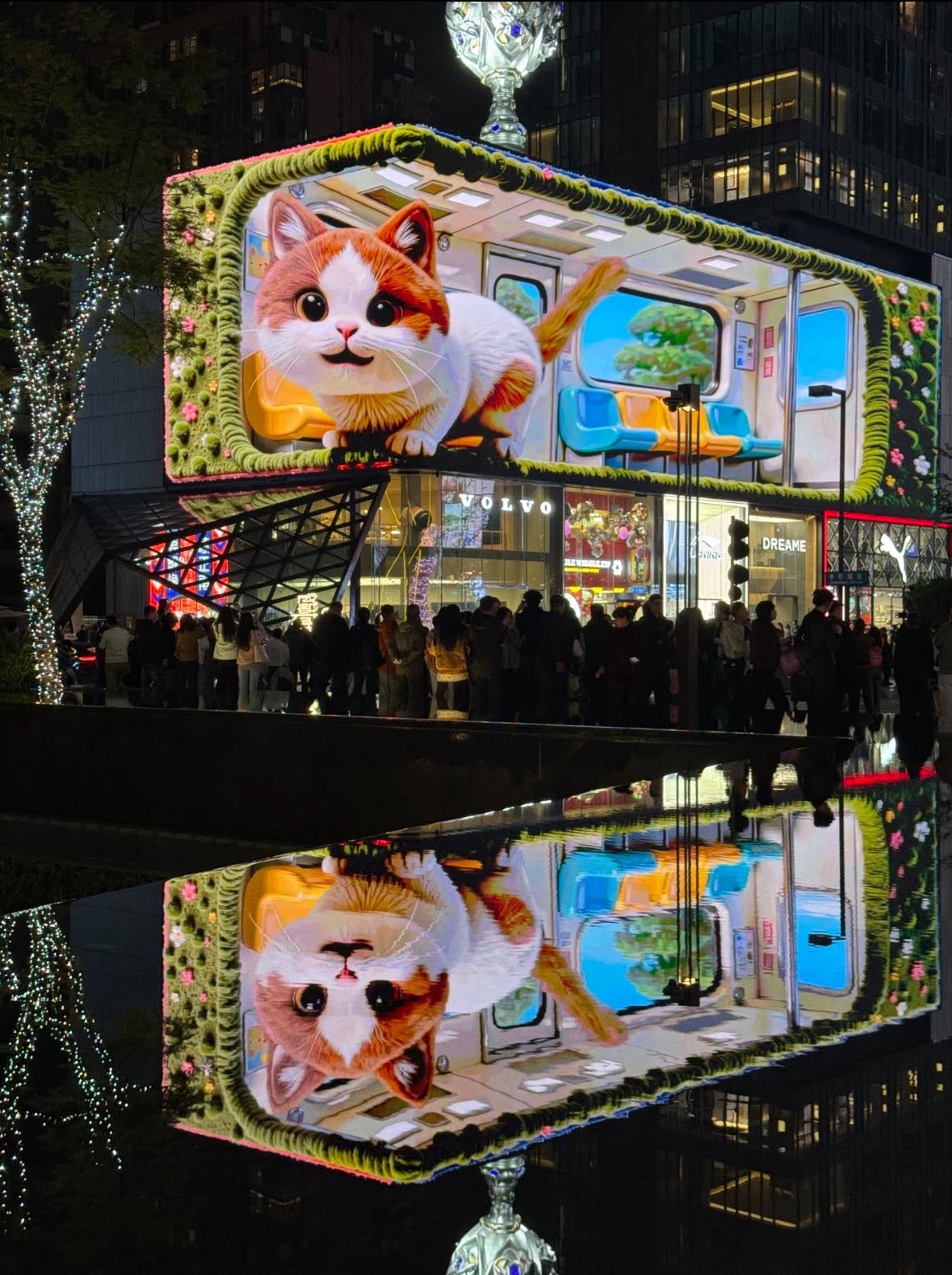
Address: Chunxi Road, Jinjiang District | Hours: 10:00–22:00 | Entry: Free
Chunxi Road is Chengdu's premier shopping and dining district — a bustling corridor of international brands, luxury malls, and chic restaurants. The iconic IFS (International Finance Square) building features the world's most famous panda sculpture: a giant low-poly panda appears to be climbing up the building's glass facade, a powerful symbol of Chengdu's identity. Taikoo Li, a luxury open-air shopping complex with preserved historic architecture, is also nearby.
★ Tip: The IFS panda is best photographed from the ground looking up. Try the food halls in Taikoo Li for a modern take on Sichuan cuisine.
────────────────────────────────────────
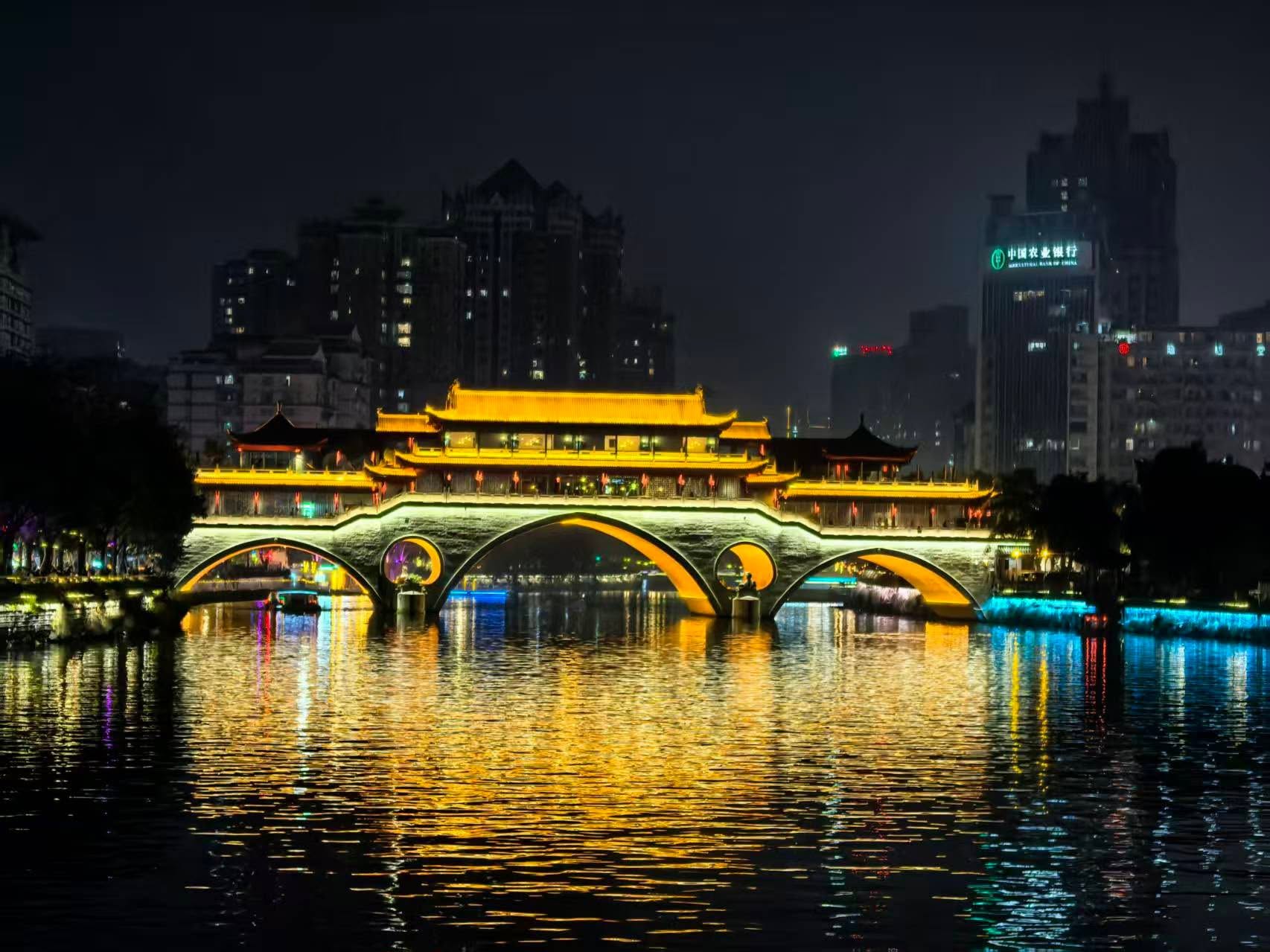
Location: Jinjiang District | Hours: Best at night |
Anshun Bridge spans the Jinjiang River with an elegant traditional Chinese arch and pagoda structure, its warm golden lights reflected beautifully on the calm river surface. The bridge is part of the larger Chengdu night view corridor — when combined with the illuminated Twin Towers (Hejiang Lou) nearby, it creates one of the most cinematic cityscapes in China. A pleasant riverside walk takes you past street performers, local families, and the beautiful illuminated buildings of Chengdu's historic core.
★ Tip: Visit around 8 PM when the nightly light show illuminates the riverfront. Combine with a walk along the nearby exercise trail.
────────────────────────────────────────
Chengdu's cultural depth goes far beyond its attractions. These three experiences are essential to understanding the city's living traditions.
Sichuan Opera (Chuanju) is one of China's most spectacular performance arts, renowned worldwide for its (face-changing) trick — where performers change masks in a split second using a flash of their sleeve, shifting between red, blue, white, black, and gold faces to portray emotions from rage to joy. Equally mesmerizing is (fire-breathing), where performers exhale plumes of flame. Shows are held nightly at traditional courtyard theaters in Kuanzhai Alley and Jinli Street, typically lasting 90 minutes and including tea service.
★ Best venues: Shu Feng Yue, Huangcheng Longdu. Tickets: CNY 150–300. Book via Trip.com or at venue doors.
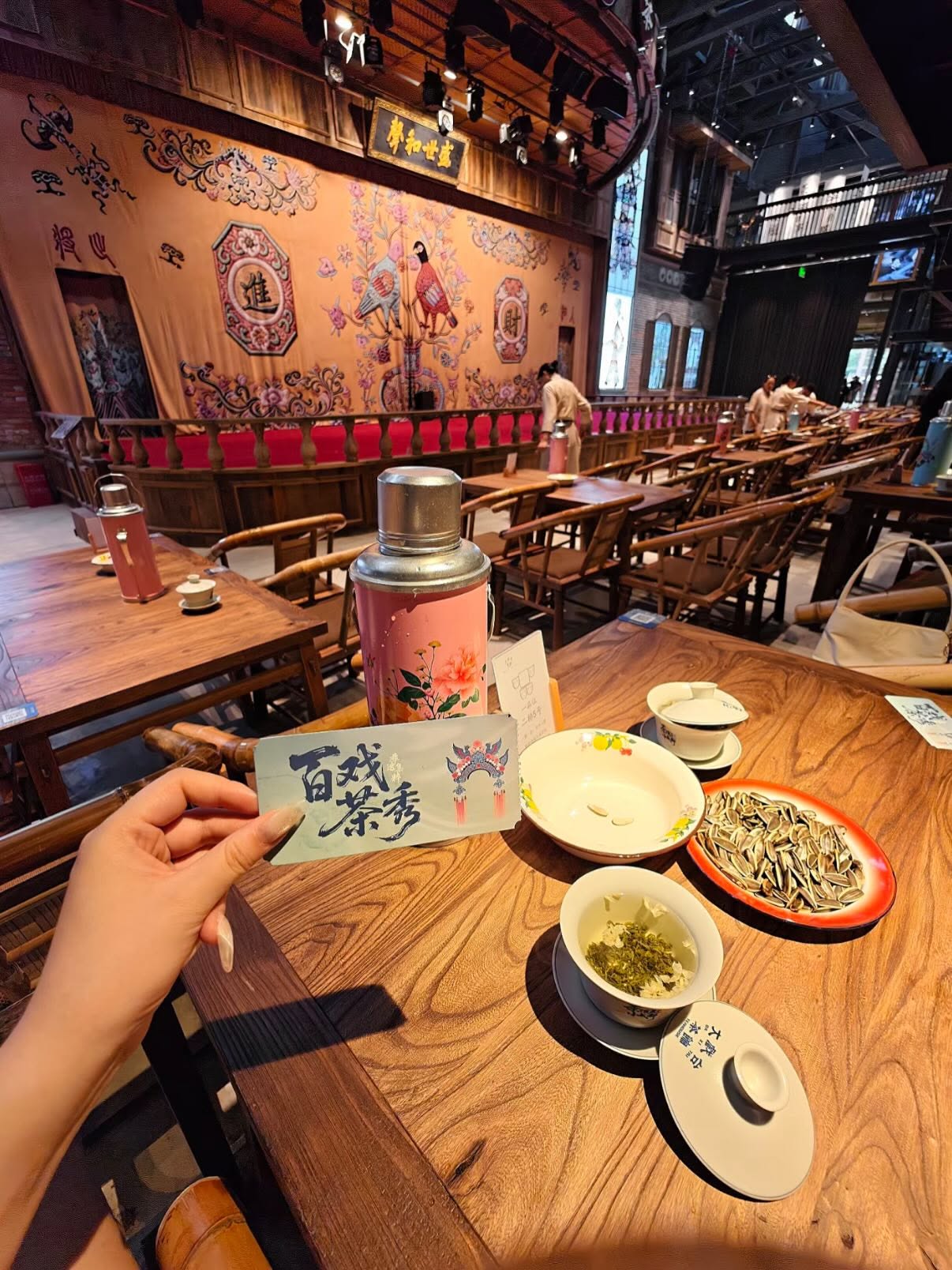
Chengdu has been called 'a city steeped in tea.' With over 60,000 teahouses in the city, Chengdu's tea culture is the living expression of its móguā (slow-living) philosophy. The classic experience is drinking (gaiwan-cha) — tea served in a three-piece covered bowl — at a bamboo-chair teahouse in People's Park or Kuanzhai Alley. A pot of jasmine or Sichuan Maofeng tea costs CNY 18–50 with unlimited hot-water refills. Teahouses also offer ear cleaning by sidewalk masters — a uniquely Chengdu tradition.
★ Etiquette: When someone pours tea for you, tap two fingers on the table as a gesture of thanks .
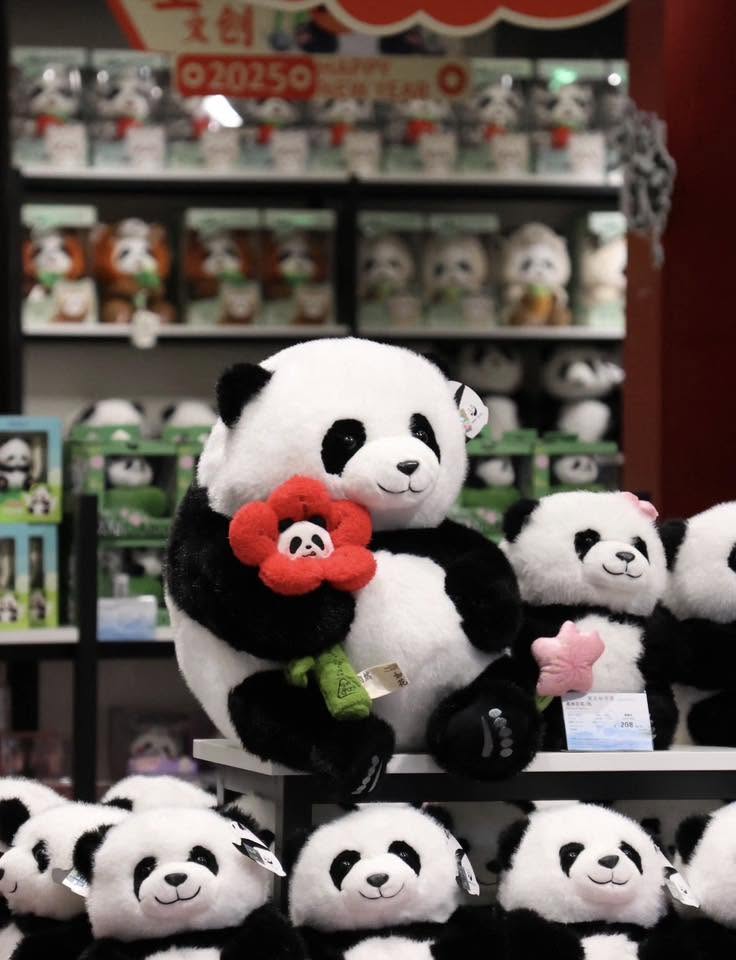
For an even deeper panda experience, the Panda Base and Dujiangyan Panda Valley offer Keeper Experience programs where participants don protective suits and enter panda enclosures to prepare bamboo feeds, clean enclosures, and observe panda behavior up close. This program, available by appointment, is a bucket-list experience for wildlife enthusiasts. Advanced booking (at least one week ahead) is mandatory as spots are extremely limited.
★ Book through the official Panda Base website or via panda tour operators. Cost: approximately CNY 2,000–3,000 per person.
────────────────────────────────────────
As a UNESCO City of Gastronomy, Chengdu's food culture is legendary. Sichuan cuisine's defining feature is (numbing) and (spicy) — a mouth-tingling, aromatic balance of Sichuan peppercorns and chilies. But the city's culinary repertoire extends far beyond heat.
Chengdu's signature dish is málà (numbing-spicy) hotpot — a bubbling cauldron of chili oil and Sichuan peppercorns loaded with thinly sliced beef, tripe, lotus root, tofu skin, and fresh vegetables. Unlike its gentler cousin from Chongqing, Chengdu hotpot is known for its aromatic spice blend. The city boasts thousands of hotpot restaurants, from street-side eateries to sprawling chains. Must-try: duck blood in soup, beef tripe, and lotus root. Pair with a sweet soy milk — it neutralizes the spiciness perfectly.
★ Recommended: Huangcheng Longdu, Sanfu Shuaicao. Budget: CNY 80–200/person.
Created in Chengdu in 1862 by a Qing Dynasty woman nicknamed 'Pock-Marked Liu's Old Wife,' Mapo Tofu is silky soft bean curd bathed in a fiery sauce of fermented black beans, Sichuan chili bean paste (doubanjiang), minced pork, and a generous dose of Sichuan peppercorns. The result is a beautiful contrast of white tofu against a blazing red sauce, numbing, spicy, and deeply savory. No Sichuan food education is complete without it.
★ Best ordered at local Sichuan restaurants: Chen Yanhong (陈麻婆豆腐) is the most famous purveyor, established in 1862.
Named after the shoulder poles (dān dān) that street vendors once carried, Dan Dan Noodles is a street food icon. Thin noodles are tossed in a spicy sauce of sesame paste, chili oil, preserved vegetables, and minced pork, topped with scallions. The perfect balance of savory, spicy, and numbing makes every bite irresistible. Find the best versions in the food stalls of Jinli Ancient Street and Kuanzhai Well Alley.
★ Also try: 甜水面 (sweet soy noodles), 抄手 (wontons in chili oil), 龙抄手 (long chaoshou — large wontons), and 三大炮 (san da pao — glutinous rice balls in brown sugar).
Chengdu's street food scene is a sensory adventure. Key dishes to seek out: 三大炮 (San Da Pao) — sweet glutinous rice balls thrown onto a drum and coated in soybean flour; 糖油果子 (Tangyouguo) — crispy fried dough balls in caramelized sugar; 兔头 (Rabbit Head) — a polarizing spicy delicacy that Chengdu locals adore; 冰粉 (Bingfen) — refreshing jelly-like dessert in sweet syrup, the perfect antidote to chili heat; and 锅盔 (Guokui) — crispy flatbread stuffed with fillings, baked in a clay oven.
★ Best street food locations: Kuanzhai Well Alley, Jinli Ancient Street, Lu Xun Temple Night Market. Budget: CNY 30–80 for a full snack tour.
────────────────────────────────────────
Best Time to Visit: March to May and September to November offer the most pleasant weather (15–25°C). Summers (June–August) are hot and humid (30–38°C), but great for escaping northern heat. Winters (December–February) are mild but grey.
Getting Around: Chengdu Metro (17 lines) is the fastest way to navigate the city. Taxis and Didi (Chinese Uber) are cheap (CNY 10–40 within downtown). The Panda Base is best reached by taxi (CNY 40–60) or Metro Line 3 to Zoo Station then bus.
Handling Spicy Food: Start with 'wēi là — mild spicy. Keep bingfen, sweet soy milk, or cucumber slices on hand. If overwhelmed, ask for (miǎn là — no chili). The málà sensation is meant to be pleasurable — embrace it.
Language & Payment: English signage is improving but is limited outside major tourist areas. Download Pleco or Google Translate for text scanning. Carry cash for markets and street vendors. Alipay and WeChat Pay are essential — link a foreign card or get a local SIM for the app.
What to Pack: Comfortable walking shoes (essential for Kuanzhai and temple steps), sunscreen and hat (hot summers), a light jacket (air conditioning is strong in malls and restaurants), and a power bank (for navigation and photos).
Visa & Connectivity: China visa requirements depend on your nationality. Purchase a local SIM (China Mobile, China Unicom, or China Telecom) at the airport for data (CNY 30–100). WeChat is essential for communication and payments.
Health & Safety: Chengdu is very safe for travelers. Tap water is not potable — drink bottled or filtered water. Carry basic medications for digestive upsets. The medical infrastructure is excellent — West China Hospital is one of China's best.
────────────────────────────────────────
Let Oriental Surprises Travel craft your perfect Chengdu experience.
────────────────────────────────────────
Oriental Surprises Travel — Discover the Heart of China
 Contact us :



WeChat

WhatsApp
Copyright ©2026-2031 Terms of Service Privacy Policy Return Terms Travel agency qualification number