
China DMC Current location:HomeChina DMC
 Time: 2026/6/29
 Hit: 132
ORIENTAL SURPRISES TRAVEL
HANGZHOU
DESTINATION GUIDE
──────────────────────────────────────────────────
Paradise on Earth — Where History Meets Poetry
CITY OVERVIEW
──────────────────────────────────────────────────
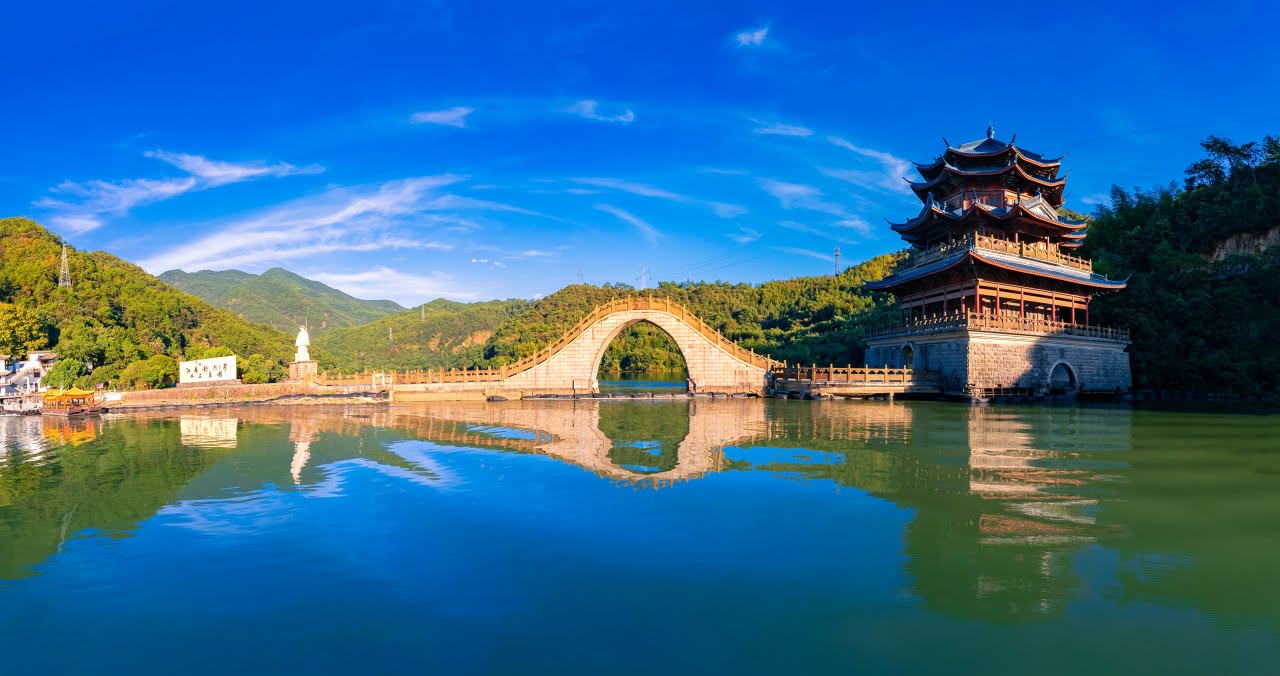
Hangzhou, the capital of Zhejiang Province, has captivated travelers for centuries with its breathtaking natural beauty, rich cultural heritage, and refined lifestyle. Consistently ranked as one of China's most livable cities, Hangzhou is where ancient traditions and modern innovation exist in perfect harmony.
The 13th-century Italian explorer Marco Polo described Hangzhou as "beyond dispute the most magnificent and noble city in the world." This accolade rings true to this day — the city's elegant West Lake, serene tea plantations, and vibrant silk markets continue to inspire awe in every visitor.
One of the birthplaces of Chinese civilization and one of China's seven ancient capitals, Hangzhou's history stretches back over 8,000 years. The 5,000-year-old Liangzhu Culture is hailed as "the dawn of civilization." The city served as capital of both the Five Dynasties Wuyue Kingdom (907–978) and the Southern Song Dynasty (1138–1279), when it was known as Linan — one of the world's largest and most prosperous cities of its era.
Hangzhou is world-renowned for Longjing (Dragon Well) Tea — one of China's most prized green teas, cultivated near West Lake for over 1,200 years. It is also celebrated as the "Silk Capital of China," with silk production dating back thousands of years. Together, tea and silk define Hangzhou's cultural identity and remain central to the visitor experience.

──────────────────────────────────────────────────
TOP 10 ATTRACTIONS
──────────────────────────────────────────────────
Hangzhou offers an extraordinary range of attractions, from world-famous natural wonders to hidden cultural gems. Here are the ten experiences no visitor should miss.
1. West Lake (Xihu) — UNESCO World Heritage Site
"The most beautiful lake in the world"
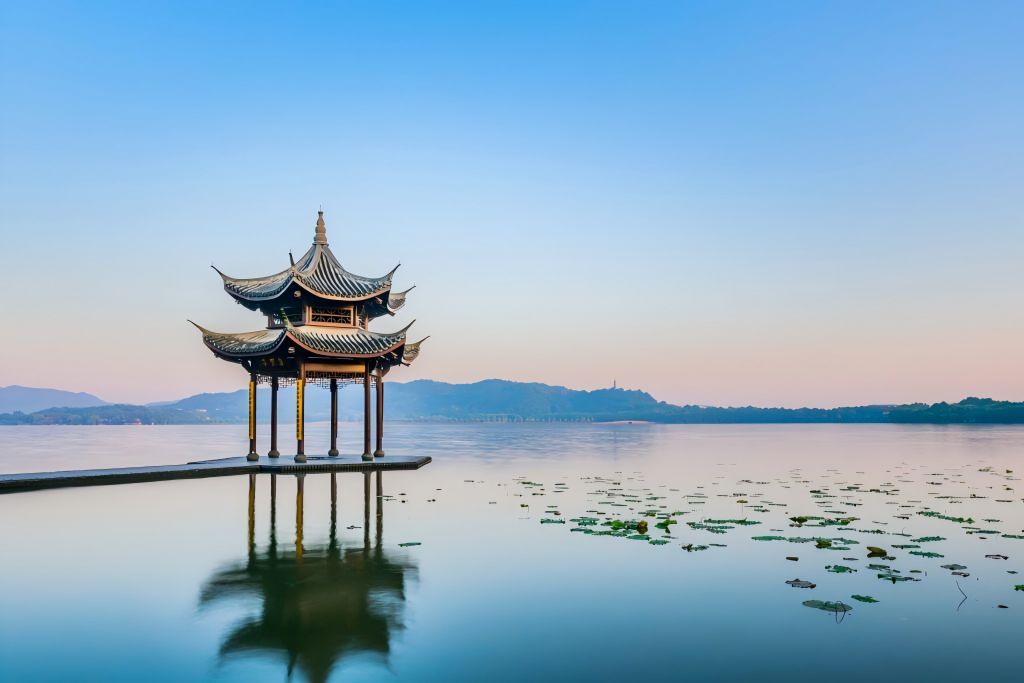
West Lake is the heart and soul of Hangzhou, a 6.5-square-kilometer body of water framed by willow-lined causeways, ancient pagodas, and misty hills. A UNESCO World Heritage Site, it has inspired poets, artists, and emperors for over a millennium.
The legendary Ten Scenes of West Lake (Xihu Shijing) include:? Spring Dawn at Su Causeway — Willow trees and plum blossoms in spring? Broken Bridge and Snowy Melting — A romantic winter icon? Leifeng Pagoda in Evening Glow — Golden hour over the five-story pagoda? Three Pools Mirroring the Moon — Lotus flowers on a serene summer evening? Autumn Moon over Calm Lake — Crystal-clear autumn reflections
Best ways to explore: cycling the perimeter, rowing a boat to the islets, or a leisurely stroll along the causeways at dawn when mist rises from the water.
──────────────────────────────────────────────────
2. Lingyin Temple & Feilai Peak
Founded 326 AD — One of China's oldest Buddhist temples

Tucked against the forested Feilai Peak, Lingyin Temple (Temple of the Soul's Retreat) is one of the most significant Buddhist temples in China, founded in the 4th century. Its name reflects the ethereal mountain mists that envelop the site.
Key highlights include the Hall of Heavenly Kings with Qing Dynasty Emperor Kangxi's calligraphy, the Grand Hall of the Great Sage housing a 24.8m camphor-wood Sakyamuni Buddha, and the Feilai Peak Grottoes featuring 470+ rock carvings dating from the 10th–14th centuries — a rare treasure of ancient grotto art in southern China.
The temple offers free admission with advance reservation via Alipay. The ideal time to visit is early morning (arrive by 7:00 AM) when the incense-filled courtyards are at their most serene.
──────────────────────────────────────────────────
3. Longjing Tea Plantations
The birthplace of China's most famous green tea
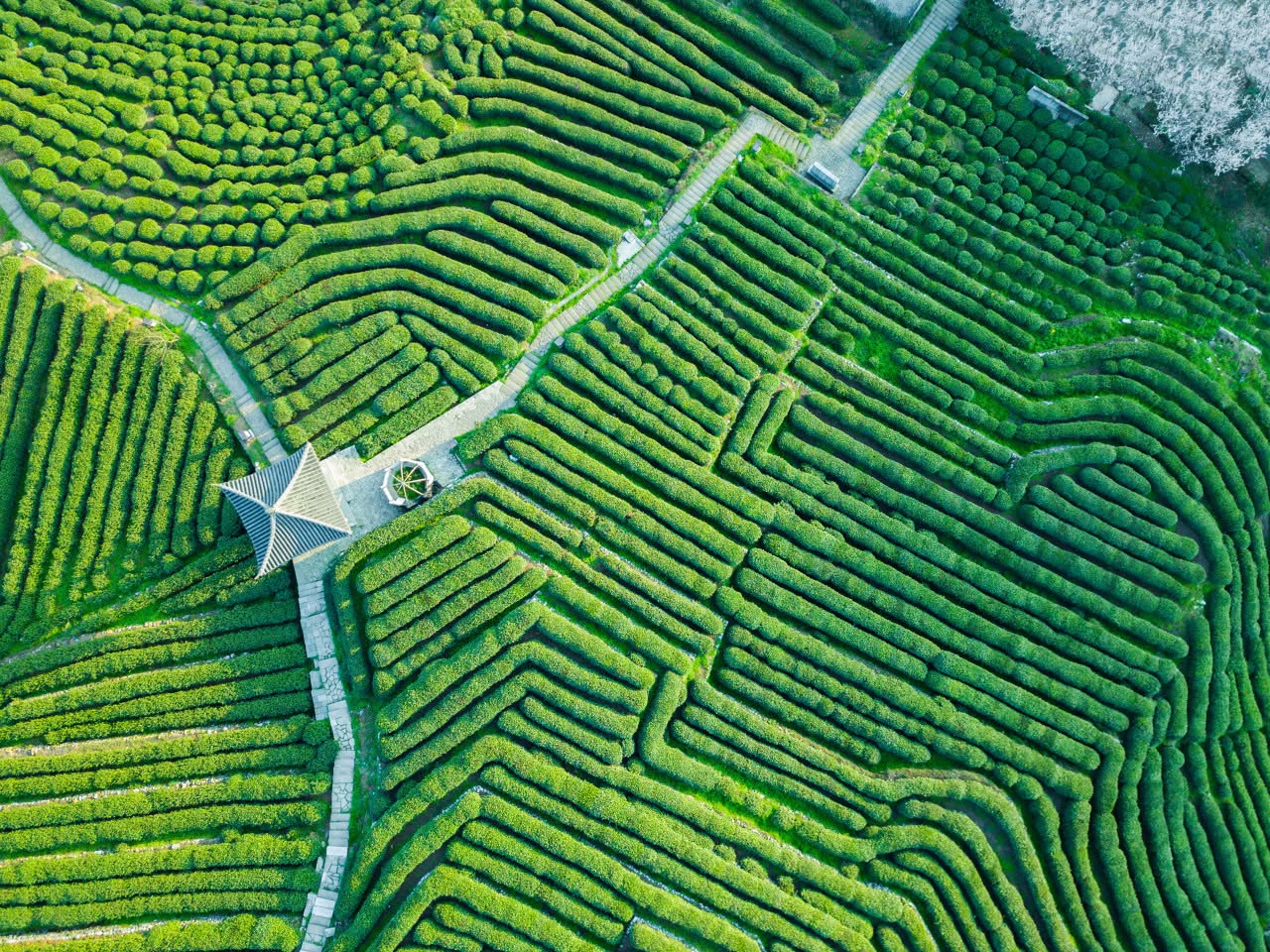
The Longjing Tea Culture Village, nestled in the rolling hills southwest of West Lake, is the spiritual home of Longjing (Dragon Well) tea. Cultivated here for over 1,200 years, this delicate green tea is prized worldwide for its fresh, chestnut-like aroma and smooth taste.
Visitors can wander through emerald tea terraces, watch farmers hand-pick leaves during harvest season (March–April), and witness the traditional pan-frying technique that gives Longjing its distinctive flat shape. The village is also home to Hu Gong Temple and the legendary Dragon Well itself — named for the swirling of tea leaves that resemble a dragon dancing in water.
A short walk away, Meijiawu Tea Village offers a quieter, more immersive experience with hands-on tea-picking workshops and rustic farm-to-table meals.
──────────────────────────────────────────────────
4. Xixi National Wetland Park
The green lung of Hangzhou — 11.5 km2 of natural paradise

Just 6 kilometers from downtown, Xixi National Wetland Park is an 11.5-square-kilometer oasis of lush waterways, lotus ponds, reed beds, and traditional fishing villages dating back to the Han Dynasty. Known as the "green kidney" of Hangzhou, it offers a peaceful escape from the urban bustle.
Explore by canopy boat, gliding silently through winding waterways past herons, migratory birds, and centuries-old villages. The park is famous for its autumn Reed Flower Festival (October–November), when golden reeds blanket the waterways in a sea of amber light.
It was also the filming location for the beloved romantic comedy If You Are the One, adding a touch of cinematic magic to its natural charm.
──────────────────────────────────────────────────
5. Leifeng Pagoda
Five-story icon rising above West Lake

Standing dramatically on Sunset Hill overlooking West Lake, the five-story Leifeng Pagoda is one of Hangzhou's most iconic landmarks. Originally built in 975 AD, the current structure dates to 2002 but faithfully recreates the Song Dynasty original.
Climb to the top for sweeping panoramic views of West Lake, the city, and the surrounding hills. Each floor showcases cultural relics, wood carvings, and historical murals depicting the Legend of the White Snake — Hangzhou's most famous folklore. The evening light show transforms the pagoda into a glowing beacon above the illuminated lake.
The pagoda is part of the "Ten Scenes of West Lake" as "Leifeng Pagoda in Evening Glow" — best viewed from nearby Changqiao Bridge at sunset.
──────────────────────────────────────────────────
6. Broken Bridge (Duandiao)
Romance, poetry, and legendary snow scenery

Despite its name, the Broken Bridge is not actually broken — it is the bridge's unique design that creates a visual illusion. One of the most romantic spots in China, it is inextricably linked to the tragic love story of the Legend of the White Snake.
The bridge is at its most magical during winter, when snow blankets the causeways and pagodas of West Lake. "Broken Bridge and Snowy Melting" is one of the most celebrated of the Ten Scenes of West Lake — snow-melt dripping from the bridge creates an ethereal atmosphere at dawn.
Best visited at 7:00 AM in winter for the famous snow scenery, or in the evening when the illuminated causeways create a fairy-tale atmosphere.
──────────────────────────────────────────────────
7. Hefang Street & Qinghefang Historic Quarter
A living museum of Hangzhou's past
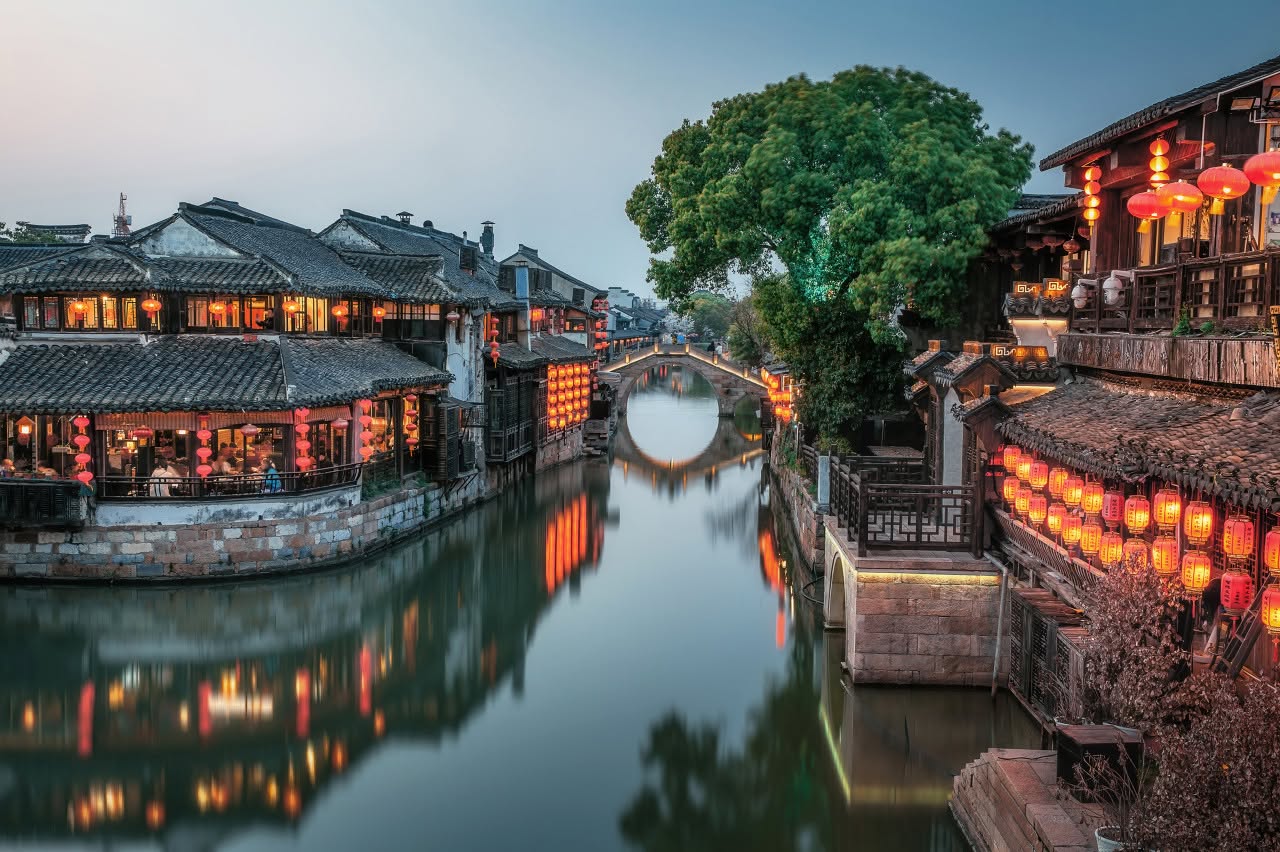
Hefang Street and its adjacent Qinghefang Historic Quarter offer an immersive journey into traditional Hangzhou life. Lined with Song Dynasty-style buildings, this bustling district is home to time-honored brands, silk shops, traditional medicine stores, and famous local snacks.
Must-see attractions include Huqingyutang Pharmacy (one of China's oldest traditional Chinese medicine stores), the Zhejiang Xiaobaihua Yueju Opera Troupe, and dozens of stalls selling Hangzhou specialties such as Dongpo Pork, Lotus Root Starch, and Scallion Wrapped Fried Dough.
At night, the street comes alive with red lanterns, street performers, and the aroma of sizzling street food — perfect for an evening stroll.
──────────────────────────────────────────────────
8. The Beijing-Hangzhou Grand Canal
The world's longest artificial waterway — 1,794 kilometers of living history

The Beijing-Hangzhou Grand Canal is a UNESCO World Heritage Site and the world's longest artificial canal, stretching 1,794 kilometers. Built over 2,500 years ago, it connected the rice bowl of the south with the political heart of the north, making Hangzhou a vital commercial hub.
Today, visitors can cruise the Hangzhou section at night, passing illuminated ancient dwellings, bustling waterfront bars, and traditional boat traffic. The Grand Canal Museum provides fascinating context, or you can explore the historic streets of Gongchen Bridge and Datuo Alley on foot.
The canal embodies Hangzhou's open, inclusive culture — a living artery that has carried goods, ideas, and stories for millennia.
──────────────────────────────────────────────────
9. China National Silk Museum
The world's largest silk museum — 5,000 years of textile history
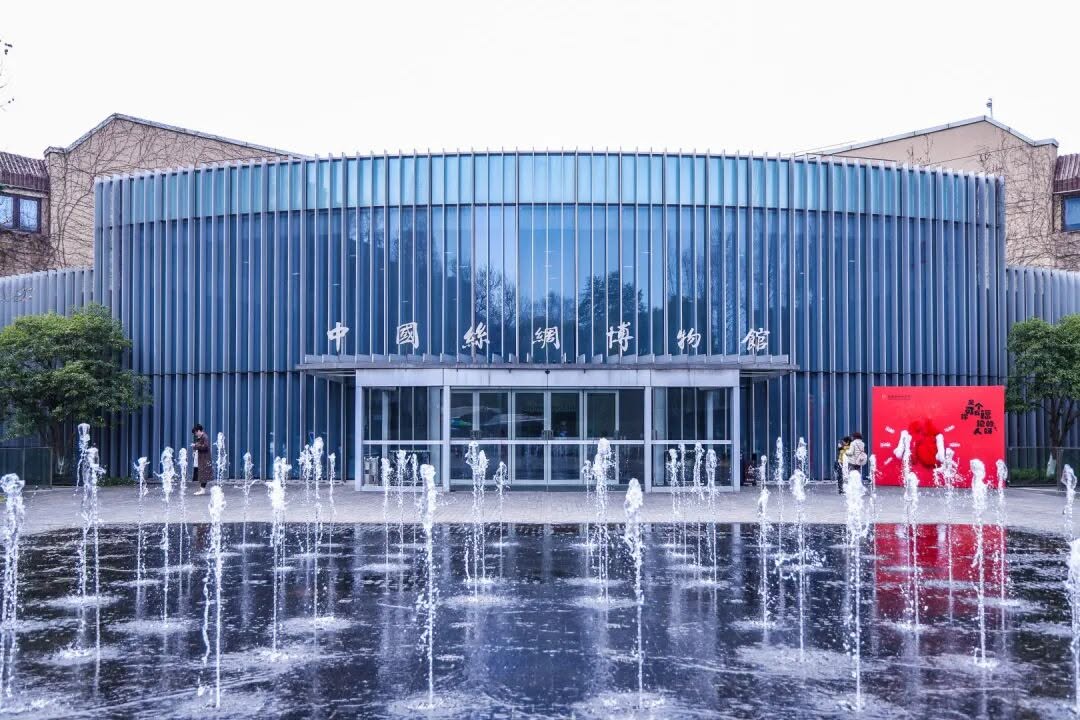
The China National Silk Museum in Hangzhou is the largest silk museum in the world, offering a comprehensive journey through 5,000 years of silk history. From ancient relics to contemporary haute couture, the museum traces the extraordinary story of this most elegant of fabrics.
Exhibits include intricately woven Han Dynasty silk robes, Tang Dynasty brocades, Ming Qing embroidered garments, and displays on the Silk Road trade routes. Interactive workshops allow visitors to try weaving, dyeing, and embroidery techniques firsthand.
The museum's striking modern architecture — featuring glass and metal facades evoking the texture of silk — is itself a work of art, and its café overlooking the tea gardens is the perfect spot for a leisurely afternoon break.
──────────────────────────────────────────────────
10. China National Tea Museum
The definitive experience for tea lovers
Located in the heart of the Longjing tea-growing region, the China National Tea Museum is dedicated to preserving and sharing China's extraordinary tea culture. Surrounded by lush tea plantations, the museum offers a sensory journey through the art of tea.
Exhibits cover the history, cultivation, processing, and cultural significance of all major Chinese tea types, with a special focus on West Lake Longjing — including displays on the traditional "Ten Techniques" of Longjing tea making. Visitors can participate in tea ceremonies, learn to brew tea properly, and sample freshly picked Longjing at the on-site tea house.
The museum grounds feature beautiful traditional Chinese gardens, teahouses, and trails through the surrounding tea mountains — making it as much a retreat as a museum.
──────────────────────────────────────────────────
──────────────────────────────────────────────────
CULTURAL EXPERIENCES
──────────────────────────────────────────────────
Hangzhou is not merely a destination to see — it is a culture to experience. The following activities offer deep immersion into the traditions that have shaped this extraordinary city for over two millennia.
Tea in Hangzhou is far more than a beverage — it is a philosophy. The Chinese tea ceremony reflects Confucian ideals of respect, harmony, and tranquility, emphasizing the beauty of simplicity. At traditional teahouses in Longjing Village or Meijiawu, skilled tea masters guide you through the ritual: heating the clay pot, steeping the leaves with precision, and savoring each delicate infusion. It is a meditation as much as a ritual.
Hangzhou has been producing silk for over 3,000 years. At the China National Silk Museum or family-run workshops in Qinghefang, visitors can watch master weavers at traditional looms, try their hand at embroidery, and learn to distinguish between the dozens of silk varieties produced in the region. Hangzhou embroidery (Su embroidery) is renowned for its elegant colors, delicate patterns, and masterful stitching.
West Lake has inspired some of China's greatest poets, including Bai Juyi, Su Dongpo, and Li Bai. Strolling the causeways at dawn, you are walking in the footsteps of emperors and scholars who composed their most celebrated verses here. The Xiling Seal Engravers Society, founded in 1904, continues to preserve the art of Chinese calligraphy and seal carving — both integral to Hangzhou's cultural identity.
At Lingyin Temple, you can join the monks' dawn chanting at 5:30 AM — a serene and crowd-free experience that reveals the spiritual heartbeat of the temple. Light three incense sticks at the entrance (provided free), make your offering, and take part in a tradition that has been observed here for nearly 1,700 years.
──────────────────────────────────────────────────
FOOD HIGHLIGHTS
──────────────────────────────────────────────────
Hangzhou cuisine (Zhecai) is celebrated as one of China's eight great culinary traditions. Known for its light seasoning, fresh ingredients, and natural flavors, it emphasizes delicacy and elegance over spiciness or heavy seasoning. Every dish tells a story.
West Lake Vinegar Fish
The iconic signature dish of Hangzhou — tender freshwater fish cooked in a sweet and sour vinegar sauce. Originally from the Song Dynasty, it embodies the balance of flavors central to Hangzhou cuisine.
Dongpo Pork
Named after the beloved Song Dynasty poet Su Dongpo, this braised pork belly is slow-cooked until it becomes silky and aromatic, with a rich, caramelized exterior. A single bowl of Dongpo Pork can take 3–4 hours to prepare.
Longjing Shrimp
Fresh river shrimp wok-fried with Longjing tea leaves, creating an exquisite combination of delicate seafood and the fresh, vegetal aroma of Hangzhou's most famous tea. A seasonal specialty at its finest.
Beggar's Chicken
A legendary dish with a dramatic origin: a beggar allegedly wrapped a chicken in lotus leaves and mud, then buried it in a fire to cook. The result — a tender, aromatic chicken infused with the fragrance of lotus and earth.
Lotus Root Stuffed with Glutinous Rice
A delicate dessert featuring lotus root filled with sticky rice, poached in osmanthus-scented syrup. Soft, slightly sweet, and beautiful in presentation — it captures the essence of Hangzhou cuisine.
Hangzhou Soup Dumplings
These delicate steamed dumplings, filled with savory pork broth and a meatball, are a beloved Hangzhou breakfast or snack. Best eaten at Zhiweiguan, a 200-year-old teahouse restaurant.
Scallion Wrapped Fried Dough
A popular street snack: crisp fried dough wrapped in a soft scallion pancake, kissed with sweet sauce. Simple, satisfying, and quintessentially Hangzhou.
Osmanthus Cake
Fragrant and delicate, these cakes made with osmanthus flowers and sticky rice are a centuries-old Hangzhou specialty, particularly beloved during the autumn tea harvest season.
──────────────────────────────────────────────────
TRAVEL TIPS
──────────────────────────────────────────────────
Spring (March–May): The most popular time to visit. Peach and plum blossoms bloom along Su Causeway, and the Longjing tea harvest begins in late March. Pleasant temperatures of 15–25°C make it ideal for cycling and walking.
Autumn (September–November): The most beautiful season for photography. Crimson maple leaves, golden osmanthus flowers filling the air with fragrance, and the Xixi Reed Festival in October create magical conditions.
Summer (June–August): Hot and humid, but West Lake lotus is in full bloom and the famous Dragon Boat Festival takes place in June.
Winter (December–February): Fewer tourists, and the snow-covered West Lake scenes are breathtakingly beautiful. Lingyin Temple offers free admission in December.
The Longjing tea harvest has two peak seasons:
Pre-Qingming (late March): The rarest and most expensive pre-Qingming Longjing — young leaves picked before the Qingming Festival, prized for their delicate sweetness.
Post-Qingming (April): More abundant and slightly bolder in flavor, still exceptional quality at more accessible prices.
Visiting Longjing Village during harvest season offers a once-in-a-lifetime opportunity to witness traditional hand-picking and pan-frying.
──────────────────────────────────────────────────
ORIENTAL SURPRISES TRAVEL
──────────────────────────────────────────────────
 Contact us :



WeChat

WhatsApp
Copyright ©2026-2031 Terms of Service Privacy Policy Return Terms Travel agency qualification number